
‘If neoliberal capitalism is on track to trigger catastrophic and irreversible climate change, what are the alternatives to it?’ A SECA seminar (27th June 2023) with Robin Hahnel, veteran activist and scholar, on how we should think about and respond to ecocidal and climate destroying neoliberal capitalism.
The workshop focused on the following questions:
(1) Is neoliberal capitalism on track to trigger catastrophic and irreversible climate change?
(2) Is there an alternative economic system which would no longer do so, but instead, prevent climate change, adequately protect the natural environment forever, and still allow economic wellbeing to increase indefinitely?
(3) Does this mean that the solution to “climate change” is “economic system change,” i.e. to replace capitalism with an appropriate version of “eco-socialism?”
The talk was hosted by Centre for Sustainability, Equality and Climate Action
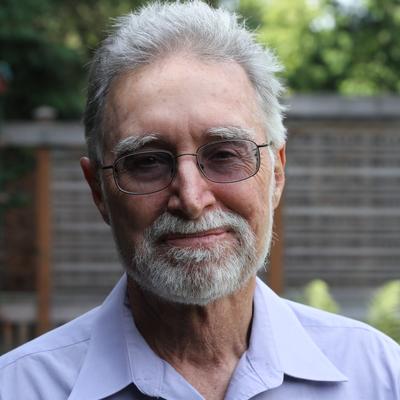
Robin Hahnel is a radical economist and political activist. He is Professor Emeritus at American University in Washington, D.C. where he taught in the Economics Department from 1976 – 2008. He is currently a visiting professor in economics at Portland State University in Portland, Oregon, where he resides with his family. His work in economic theory is informed by the work of Thorstein Veblen, John Maynard Keynes, Karl Polanyi, Pierro Straffa, Joan Robinson, and Amartya Sen among others. He is best known as co-creator, along with Michael Albert, of a radical alternative to capitalism known as participatory economics, (or parecon for short). His more recent work is focused on economic justice and democracy, and the global financial and ecological crisis. Politically he considers himself a proud product of the New Left and is sympathetic to libertarian socialism. He has been active in many social movements and organizations over forty years, beginning with the Harvard and MIT SDS chapters and the Boston area anti-Vietnam war movement in the 1960s.
ZNetwork is funded solely through the generosity of its readers.
Donate

