
Does climate change mean the end of economic growth? How is value even measured and what does the term ‘economic throughput’ mean? Do we need to de-growth or a steady state economy? Do we need system change and to replace capitalism in order to prevent cataclysmic climate change? All these questions are discussed in this episode of PEP Talk.
▬▬ Contents ▬▬▬▬▬▬▬▬
0:00 – Introduction
00:39 – Capitalism, anti-capitalism, climate change and system change
11:39 – Economic growth
21:34 – The De-growth movement
27:45 – ‘Kicking the can down the road’
34:28 – Solutions
42:28 – Outro
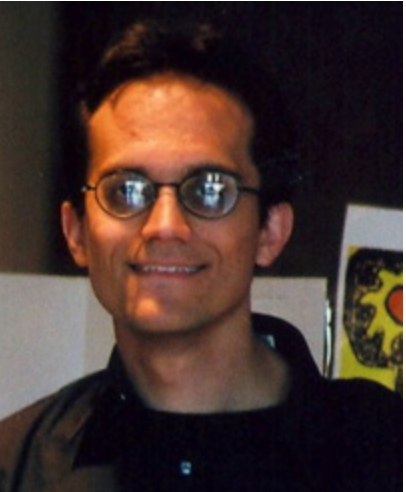
Mitchell Szczepanczyk is a software developer, media producer, political activist, aspiring polyglot, degree-holding linguist, and game show aficionado. He has written two e-books, and contributed to the books Real Utopia and Democratic Economic Planning. Mitchell has been involved with groups working on the heterodox economic model known as a "participatory economy"; he co-founded CAPES, the Chicago Area Participatory Economics Society, and has organized events with CAPES. He is currently helping to develop computational models of a participatory economy. A son of Polish immigrants and a native of Michigan (USA), he makes his home in Chicago where he has lived since 1996.
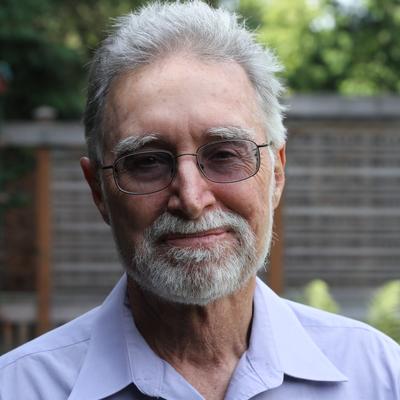
Robin Hahnel is a radical economist and political activist. He is Professor Emeritus at American University in Washington, D.C. where he taught in the Economics Department from 1976 – 2008. He is currently a visiting professor in economics at Portland State University in Portland, Oregon, where he resides with his family. His work in economic theory is informed by the work of Thorstein Veblen, John Maynard Keynes, Karl Polanyi, Pierro Straffa, Joan Robinson, and Amartya Sen among others. He is best known as co-creator, along with Michael Albert, of a radical alternative to capitalism known as participatory economics, (or parecon for short). His more recent work is focused on economic justice and democracy, and the global financial and ecological crisis. Politically he considers himself a proud product of the New Left and is sympathetic to libertarian socialism. He has been active in many social movements and organizations over forty years, beginning with the Harvard and MIT SDS chapters and the Boston area anti-Vietnam war movement in the 1960s.
ZNetwork is funded solely through the generosity of its readers.
Donate

