
Woody Guthrie proudly sang “This land is your land, this land is my land / From
California to the New York island,” but, in fact, the conversion of vast public
resources and wealth to private property is one of the defining dynamics of
American history. The political economist Thorstein Veblen called this process
“The American Plan:” the conversion of public resources into private hands as fast
as possible. It started with the “legal seizure” of native lands and resources. Then
in the last century the federal government began giving away our information
highways. New technology, same result. Far from promoting the growth of
democracy, the American Plan has consolidated wealth and power in the hands of a
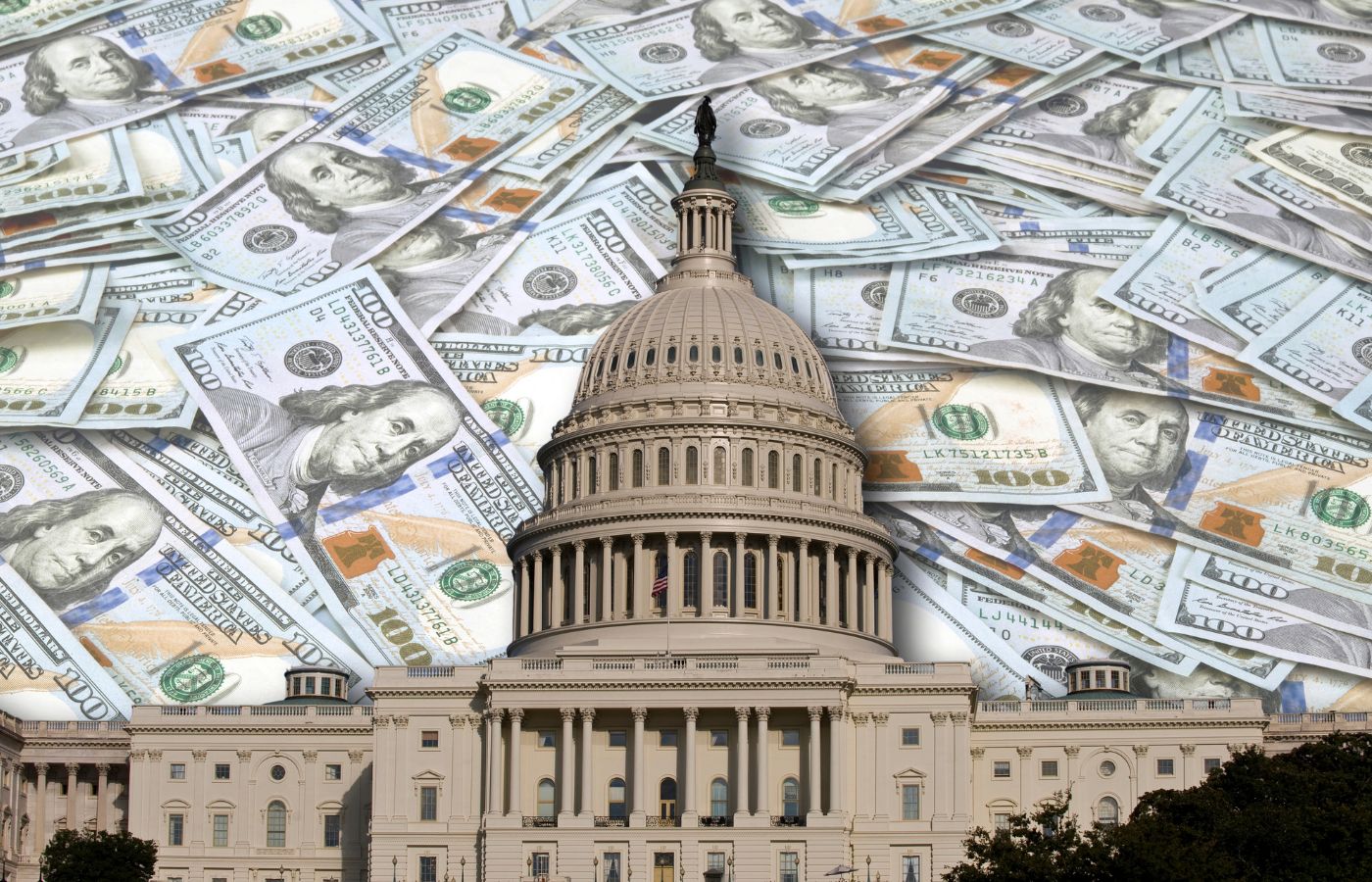
few. Not surprisingly, the rich regularly convert their private wealth into political
power by buying (or renting) politicians and manipulating public opinion, a
process the SCOTUS has the gall to call “free speech.” Thanks to Roberts court
gutting of the last vestiges of limits on campaign spending and the concentration of
media in the hands of a few billionaires, the buying of voters’ minds is on steroids
during the 2026 election.
In the past, a local newspaper like the Manchester Daily Union or later newspaper
chains like Hearst publications tried to shape political events, but their influence
was restrained by time and geography. Now media are instant and ubiquitous. Ken
Paxton and John Cornyn, for instance, spent nearly $130 million in their primary
fight for a seat in the U.S. Senate, the single largest amount of money ever spent in
a statewide primary. That’s just the start. Pundits predict that the victor will spend
another $250 million to win the Texas seat this November. This massive political
spending, mainly for access to the airwaves and social media, suggests that the
2026 election is likely to represent an extreme case of Citizens United feeding the
media monopolies who profit from a broadcast licensing system that turns the
public good – airwaves – into private property.
These vast sums of election dollars enable another force to undermine our
democracy in an even more insidious way. The licensing of our broadcast airways
to private interests for a nominal fee under the 1934 Federal Communications Act
followed the same trajectory of consolidation as did the giveaway of the federally
developed internet decades later. Now in 2026, thanks to the 1996
Telecommunications Act, which privatized the publicly created internet, a mere
five or six conglomerates control 90 percent of our TV broadcasting and cable,
while another five companies basically control the internet, and iHeart Media
reaches 90 percent of American radio listeners. In other words, a dozen or so
companies are now at liberty to overwhelm our entire population with “alternative
facts” 24/7.
The oceans of money flooding the political system are laying siege to democracy
in a way the owner of the Manchester Daily Union or even William Randolph
Hearst could never dream of. Costly media campaigns are an essential part of the
electoral process, and the biggest reason politicians genuflect to billionaires. But
the current contamination of democracy by big money was not inevitable. Here’s
why: Among the most important provisions of the 1934 Federal Communications
Act was the granting of public broadcast licenses to private corporations. Those
fortunate enough to obtain licenses to broadcast over public airwaves were
effectively granted something close to monopoly economic power. The business
model was simple. Broadcasters offered “free” entertainment to draw audiences
because it was audiences that advertisers were ready to pay for. In exchange for
what amounted to this license to print money, broadcasters promised to serve “the
public interest, convenience and necessity.” Acting in the public interest required
broadcasters to remain politically neutral and to give time to multiple political
viewpoints and candidates, a practice that evolved into the fairness doctrine.
However, thanks to Ronald Reagan, the FCC terminated the fairness doctrine in
1987, opening the floodgates to oceans of money and misinformation.
As Veblen explained, conversion of public wealth into private “ownership” is the
essence of “the American Plan… a settled practice of conveying all public wealth
to private gain on a plan of legalized seizure… at the cost of the community.” So
what are these costs to the democratic community as we enter the 2026 election
cycle? First, the increasingly important role money plays in politics undercuts
democracy at a time when economic inequality has reached new heights in the
United States. This inequality will continue to grow as a handful of powerful
media magnates receive the lion’s share of these political dollars, which further
consolidates their power and allows them to saturate the information highway with
their world view at the expense of truth. And anyone who challenges this
kleptocracy is history. Think Scott Pelley, Stephen Colbert and Jimmy Kimmel. Is
it any wonder that so many people vote against their own interests? But then, as
Veblen once sardonically observed, what are consumers and taxpayers for but to
pay the freight for “substantial citizens.”
ZNetwork is funded solely through the generosity of its readers.
Donate

