
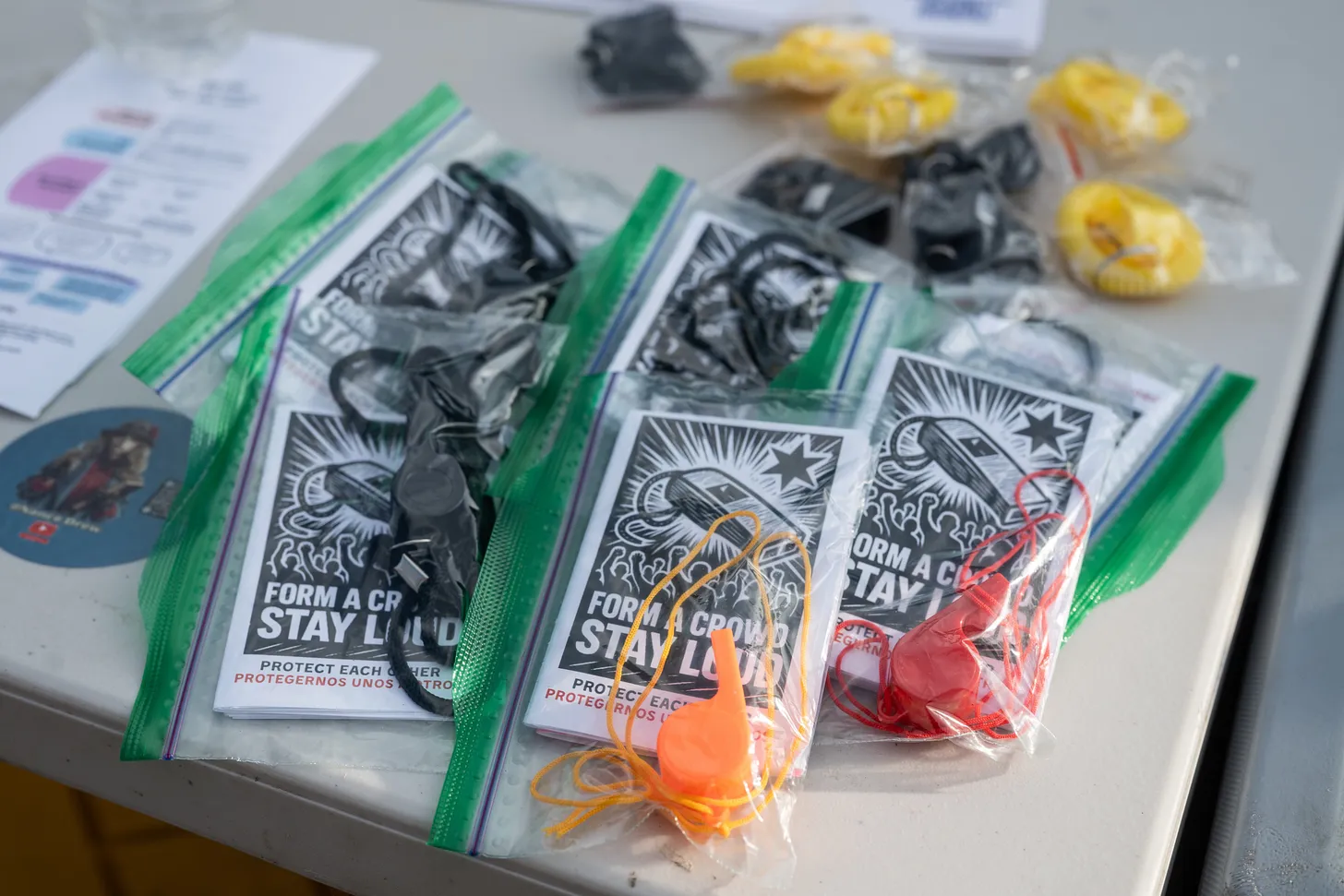
Across the country, whistles are becoming an effective tool for nonviolent, community-based deterrence and protection against the masked thugs known as ICE. The whistle sound gives a quick, immediate warning for people vulnerable to abduction. It also alerts nearby residents or allies to come out, record, and provide moral/legal support. Whistles are cheap and easy to distribute, and anyone can carry one.
For example, the Little Village neighborhood of Chicago has held “Whistlemania” events where more than 120,000 whistles were handed out, along with a code: short bursts means “ICE nearby,” while a long blow means someone is being detained. In San Francisco, local businesses have become “whistle stops,” handing out whistles to patrons to help them alert neighbors of ICE activity. One restaurant gave out metal whistles instead of candy for Halloween.
This is not the first time, or place, that folks have used whistles to protect people in danger. Protest movements and communities throughout the world have done the same.
- In the Democratic Republic of Congo in the early 2000s, rural villagers used whistle blasts to help protect children from being abducted and forced to become child soldiers. A lookout or shepherd would blow a whistle if fighters were spotted approaching. Neighboring households who heard it would repeat the whistle, spreading the alert quickly across fields and homes. This network could buy families enough time to hide children in forests, flee to churches, or reach UN peacekeeper posts.
- In the 1970s, queer resistance groups in San Francisco like the Butterfly Brigade and the Lavender Panthers distributed whistles to the city’s LGBTQ+ communities. Castro residents used whistle blasts to signal “someone’s being attacked—come help!” Neighbors would come outside, turn on lights, and intervene. Trans women in the Tenderloin, especially sex workers, used whistles to warn each other about violent clients, bashers, and police sweeps. The expectation was: “If you hear a whistle, you respond.”
- From 1970s feminist collectives in the US, to contemporary organizations in Latin America, Africa, and Asia, self-defense groups have promoted safety whistles as an accessible tool for women to signal danger, disrupt assault attempts, and mobilize nearby support.
Whistles aren’t the only tactics that invite broad, effective participation. These are more examples of activities that can be popular and inclusive:
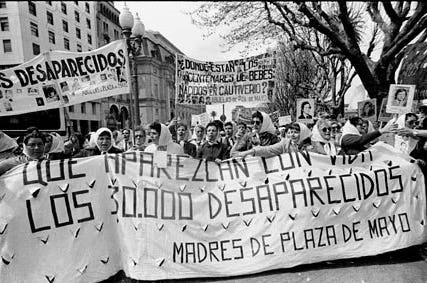
- Vigils for the disappeared. Beginning in 1977, the Mothers of Plaza de Mayo in Argentina have held weekly vigils protesting the US-backed military dictatorship that disappeared their children without trials or judicial process. Between 1970 and 1980, more than 8,500 people became “Desaparecidos.” Some of the women leading the vigils were themselves kidnapped and thrown out of planes to drown in the sea. Today mothers continue weekly vigils in Plaza de Mayo as they have since 1977. Now in the US, interfaith groups have begun holding vigils as “Godmothers of the Disappeared.” Taking a page from the mothers in Argentina, they wear white and carry signs with photos of people whom ICE has disappeared.
- Nonviolent disruption of pro-ICE businesses. Businesses supporting ICE, or staying silent in the face of ICE activities on their sites, are a target of nonviolent, creative tactics. For instance, led by day labor organizers in Monrovia, CA, long lines of people are buying, then returning, 17-cent “ICE scrapers” in endless loops to gum up the Home Depot works, demanding that Home Depot denounce the raids. The protest is partly a response to the death of immigrant day laborer Carlos Roberto Montoya Valdez, who was killed while fleeing from federal agents near a Home Depot store in August. Participants credit Saul Alinsky and César Chávez for inspiring this tactic of nonviolent resistance.
- Tactical frivolity. The now-iconic frog, dinosaur, and hot dog costumes, starting in Portland, counter the “violent protest” narrative and serve up ridicule to power, as does taunting military in neighborhoods with the storm trooper music from Star Wars. As performance artist and author L.M. Bogad notes, these kinds of tactics go all the way back to the carnival protests in the Middle Ages, where protest against the king or the church was cloaked in absurdity to protect those speaking out.
- Self defense during protests. ICE is using tear gas, pepper spray, and rubber bullets at peaceful protests—even against clergy, reporters, and giant happy-go-lucky frogs. But people are finding ways to fight back against aggressive police tactics. For example, you might hate the noise and environmental impact of leaf blowers—but they can come in handy for blowing back tear gas directed at protestors. This is a tactic originally used by pro-democracy protestors in Hong Kong in 2019-2020, and then by the “Portland Dad Brigade” and others during the George Floyd protests in 2020. Now we’re seeing it in 2025 anti-ICE protests.
- Mutual aid. The work of providing material and moral support to people vulnerable to abduction—food aid; protection for children going to and from school; rapid response to verify and document, and witness ICE activity; bond funds; legal aid; and other support for families of the disappeared—has ramped up exponentially, building on years of organizing and trust-building by groups such as Siembra in North Carolina and Neighbor to Neighbor in Massachusetts. The work is typically led by immigrants, with other community members lending significant support. It, too, has precedent from other times and places, such as anti-eviction struggles led by the Communist Party and fellow travelers during the Great Depression, and the survival programs created by the Black Panther Party in the 1960s.
People in dire straits can be a wellspring of creativity and imagination. Communities under assault are showing the wide variety of tactics available for self-defense, and for allies to help advance the fight. Tactics that wield humor, kindness, and courage against thuggery help capture the moral high ground and invite participation by people who might otherwise remain on the sidelines.
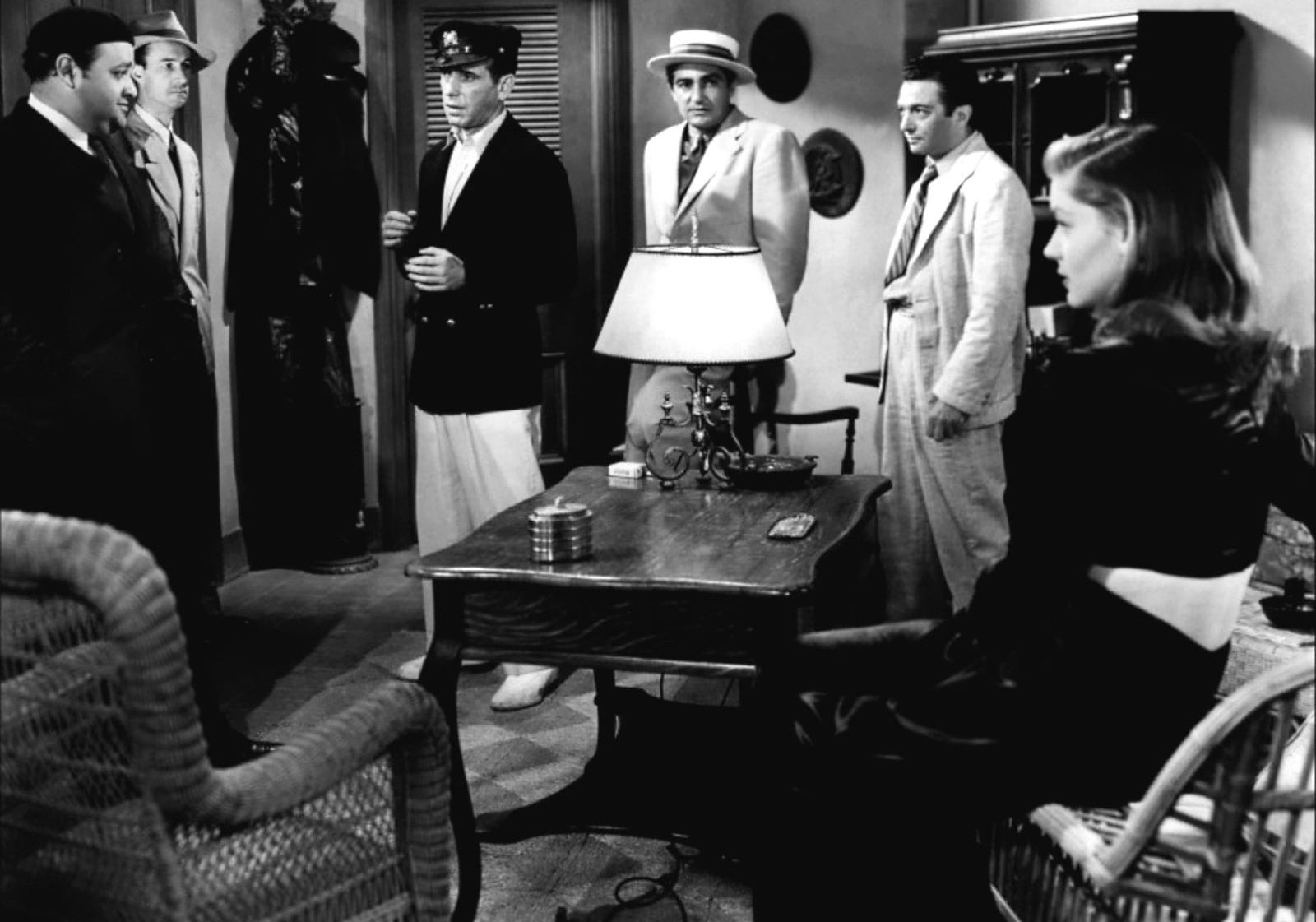
You might recognize the title of this post from the most romantic anti-fascist film ever made, “To Have and Have Not.” In the film, Captain Harry Morgan, a fishing boat captain on the Vichy-controlled island of Martinique, is approached to use his boat to smuggle members of the French Resistance to safety. At first he refuses, saying, “I’m trying to make a living. I don’t want to get mixed up in any of that stuff.” But over time he is disgusted by the cruelty and thuggishness of the Vichy officials towards the people he cares about, and he changes his mind. When asked why he has decided to help the Resistance, he replies, “Maybe because I like you, maybe because I don’t like them.”
Creative, nonviolent tactics in today’s resistance are a clear contrast to the cruelty, immorality, and corruption of ICE and the Trump regime. They allow us to invite people in as they are ready, and to say: the Resistance…it’s even better when you help!
ZNetwork is funded solely through the generosity of its readers.
Donate

