
South Africa has recently suffered from a listeria outbreak. By the end of the outbreak, it was confirmed that more than 200 people had been killed by listeriosis that originated at a meat-processing facility owned by Tiger Brands. The company is bracing for a $2 billion lawsuit ($10 million per life). But this isn’t the first time South Africans have been killed by their food system and, unless there’s a change, it won’t be the last.
But even if Tiger Brands goes bankrupt paying for the deaths of people that were caused by its polony and other processed meat products, South Africa will still be in the grips of a food system that sells killer food.
The number of adults between the ages of 30 and 69 who died from diabetes in 2016 was about 100 times higher than those who died from listeria. Across the world, when diets shift to products high in added sugar, poor health follows. In South Africa, the epidemic is just beginning.
While South Africans grapple with high blood sugar, many, especially children, continue to fight hunger. Children in South Africa are stunted, and child malnutrition rates are stubbornly high.
Why? Because the cost of living is far higher than what can be covered by social security and welfare grants from government. Across the world, no matter which country, working and poor people struggle to be able to eat five fresh fruits and vegetables a day. Hunger, malnutrition, diabetes and poverty often go hand in hand.
One answer to this paradox appears obvious: make food cheaper. But when opting for this answer, remember that some of the poorest people are those working in the food system.
So who will be squeezed if the food price drops? It’s not the shareholders or executives in the food industry who are hurt by lower-priced food. Oxfam South Africa points out that in under five days, a top executive at South African supermarket chain Shoprite will earn more than a temporary farm worker on an average South African vineyard will earn in their entire working life. Massive inequality such as this is only made possible through the exploitation of workers whose labour makes food possible.
Even if the food industry paid workers properly, it would still receive a massive subsidy. In 2012, Management consultants KPMG reported that the food industry’s ecological footprint (conservatively estimated by looking at waste), greenhouse gas emissions and water use was 224% of its revenue of $89 billion.
I was pointed to this report by a senior executive for sustainability at Nestlé, who suggested that these figures were consonant with his company’s own internal estimates. To put this slightly differently: there’s no such thing as a sustainable industrial food system. Insiders know this all too well.
So what can be done? In sub-Saharan Africa, small-scale peasant farmers produce more than 75% of most food commodities. It’s from these peasant farmers that one of the most important ideas about how to change the food system has come. It’s called “food sovereignty”. An example is La Via Campesina, a movement with more than 200 million members.
Instead of asking governments to make cheap food available and putting power in the hands of the big food corporations to do that, peasants, small-scale farmers and landless workers organised themselves and developed the idea that communities should have direct control over ending hunger where they live.
Communities being central to food policy is a radical idea because the authors of food policy have always historically been pro-corporation and pro-government. South Africa was founded by a food corporation – the Dutch East India Company, which was one of the world’s most powerful, and brutal, companies. Every South African lives, and dies, under its legacy.
So, realistically, what might food sovereignty look like? Instead of cheaper food, it would mean higher wages, better welfare entitlements and comprehensive agrarian reform, which means land reform in rural and urban areas. It’s an approach that values everyone’s voice equally, which also means gender equality.
One of the slogans is that “food sovereignty is an end to all forms of violence against women”. That shouldn’t come as a surprise. If communities are to write their own food policy, everyone must be able to do it, not just a few. This means that the voices of everyone must count.
Already, this new food system is being practised across Latin America in schools for new farming systems called agroecology. In these schools, workers and farmers learn not just how to grow crops, but the political changes that must take place in order for everyone to eat well. Schools like this show how we’ll value the intelligence, dignity and labour of food system workers – from farm to fork.
And along the way, it means being able to escape the dark legacy of a world made by food corporations, and the death they’ve profited from for centuries.
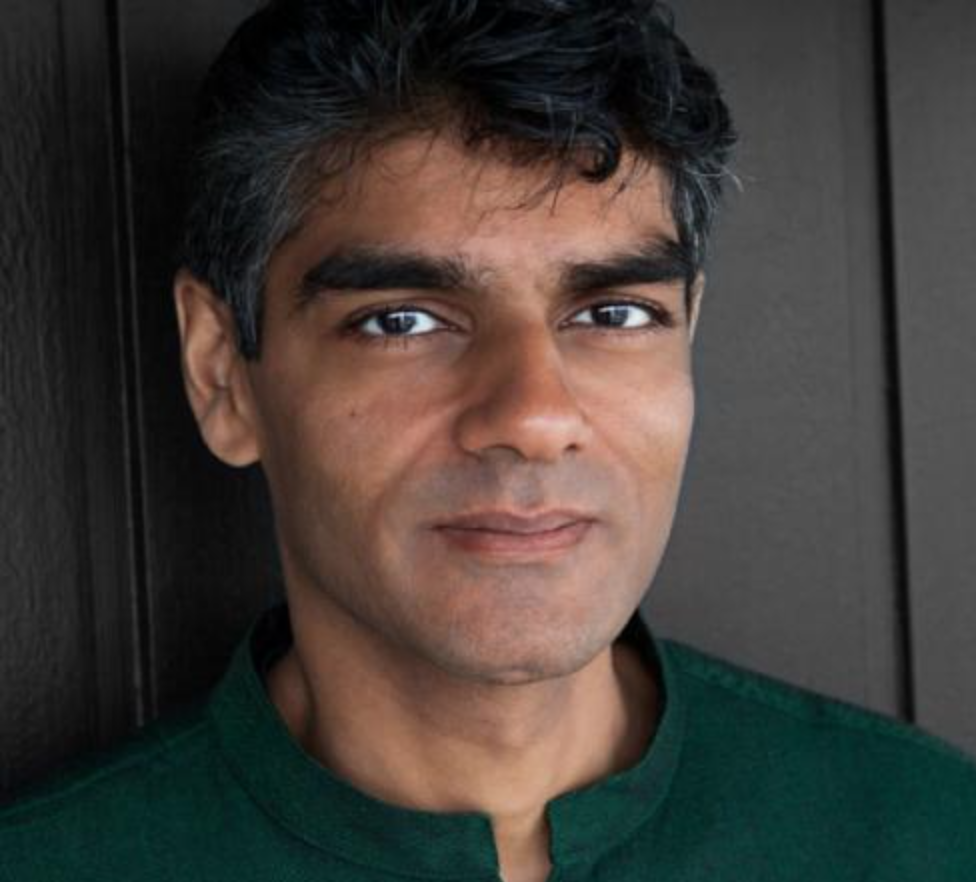
Raj Patel is an author, film-maker and academic. He is a Research Professor in the Lyndon B Johnson School of Public Affairs at the University of Texas, Austin. He has degrees from the University of Oxford, the London School of Economics and Cornell University, has worked for the World Bank and WTO, and protested against them around the world. He has testified about the causes of the global food crisis to the US, UK and EU governments and is a member of the International Panel of Experts on Sustainable Food Systems. In 2016 he was recognized with a James Beard Foundation Leadership Award. In addition to scholarly publications in economics, philosophy, politics and public health journals, he regularly writes for The Guardian, and has contributed to the Financial Times, Los Angeles Times, New York Times, Times of India, The San Francisco Chronicle, The Mail on Sunday, and The Observer.
ZNetwork is funded solely through the generosity of its readers.
Donate

