

I entered the MARTA station at Peachtree Center in Atlanta at 5:45am on a Saturday. I needed to get to the Atlanta/Hartsfield International Airport for an early flight. There was almost no one wandering around on the still dark street. As I entered the station, looking around carefully to make sure there were no problems afoot, I saw two bodies right beyond the bottom of the escalator.
That’s what it looked like. Bodies, not sleeping people. But, as it turned out, it was two poorly clothed, almost sickly-looking individuals camped out to get sleep.
I proceeded forward, taking an extremely steep escalator to the platform. When I walked onto that very well-lit platform, there were more human “bodies”; people lying there trying to sleep, maybe about fifteen people in total. Not moving; not self-conscious; sometimes wearing what appeared to be layers of rags.
At 6:15am the first train arrived heading towards the airport. You would have thought that it was rush hour. Every car was full, and this was a Saturday morning! But it was not filled with commuters going to work. Rather it was filled with the cities unwanted. Looking at the faces, you saw those who had no place to live yet plenty of time on their hands. Sometimes sleeping; other times looking off in a daze, they had chosen the MARTA subway car as their temporary residence.
Many of the riders who were not among the homeless entered the cars and immediately navigated not only where to sit—if anywhere—but also whether to look at and acknowledge that part of Atlanta humanity that was living out their lives as the supposed irrelevant. Many non-homeless riders turned their heads to the floor or, if they were accompanied, engaged their traveling companion(s) in vigorous and probably mundane discussion. A few simply looked around in amazement at how capitalism casts aside countless humans without one thought as to the consequences.
To be clear, I am not picking on Atlanta. This could just as easily have been any number of cities in the United States. I grew up in New York, moved to Boston, and have watched the growth of homelessness in our cities. Each time I witness such a site as I saw in Atlanta, I become furious. I do not believe that any human being has a “right” to be homeless. Every human being should have a safe place to live and food to eat. Contrary to some activists who hold that the homeless should not be forced to reside somewhere, I take a different position. I would argue that it is the duty of a civilized society to ensure that all humans have a clean, affordable, safe place to live, and nourishment for their bodies.
Yet, since the Reagan administration of the 1980s, the poor and the mentally and physically disabled have been relegated to an existence in a twilight zone. Dependence on handouts; food kitchens if lucky; and residences that frequently scare the bejeebies out of those who find themselves forced to choose between living in a shelter or on the streets.
US capitalism and much of its population would rather that the homeless crisis ended by simply eliminating the homeless. To be honest, I would not be surprised if much of our population would be comfortable with mass euthanasia for the homeless in order to just get them out of sight! You can sometimes even feel that level of hatred of and contempt for the homeless when you walk along the streets of any major city.
That said, the homeless will reproduce in numbers as pauperization spreads with changes in technology, the elimination of jobs, and the gentrification of our cities. At best, the growing poor, both the unemployed and underemployed, will be driven into dead cities that resemble refugee encampments, or they will be driven deeper and deeper into the subway systems of our metropolitan areas.
The alarm bell sounded in 1981, but too few people responded. This housing crisis will not be resolved through more food kitchens, shelters, and temporary encampments. It will certainly not be resolved through sweeping the homeless—quite literally—underground. It will be resolved through radically different socio-economic policies that prioritize the condition of our people rather than the aspirations of the rich and those who wish to mimic them.
Bill Fletcher, Jr. is a longtime trade unionist, international solidarity activist, and writer of fiction and nonfiction. Billfletcherjr.com; @BillFletcherJr; Bill Fletcher Jr.
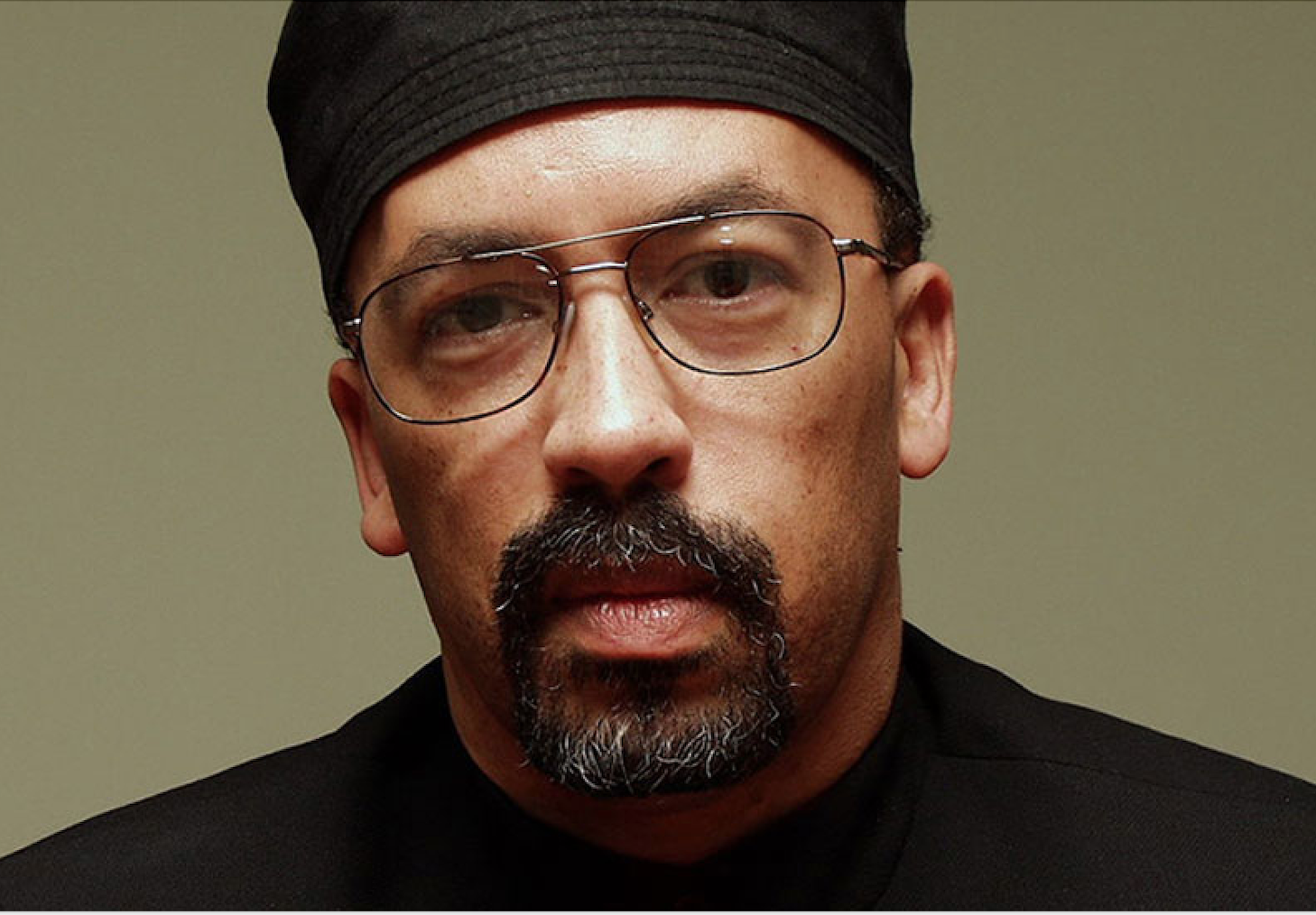
Bill Fletcher Jr (born 1954) has been an activist since his teen years. Upon graduating from college he went to work as a welder in a shipyard, thereby entering the labor movement. Over the years he has been active in workplace and community struggles as well as electoral campaigns. He has worked for several labor unions in addition to serving as a senior staffperson in the national AFL-CIO. Fletcher is the former president of TransAfrica Forum; a Senior Scholar with the Institute for Policy Studies; and in the leadership of several other projects. Fletcher is the co-author (with Peter Agard) of “The Indispensable Ally: Black Workers and the Formation of the Congress of Industrial Organizations, 1934-1941”; the co-author (with Dr. Fernando Gapasin) of “Solidarity Divided: The crisis in organized labor and a new path toward social justice“; and the author of “‘They’re Bankrupting Us’ – And Twenty other myths about unions.” Fletcher is a syndicated columnist and a regular media commentator on television, radio and the Web.
ZNetwork is funded solely through the generosity of its readers.
Donate