
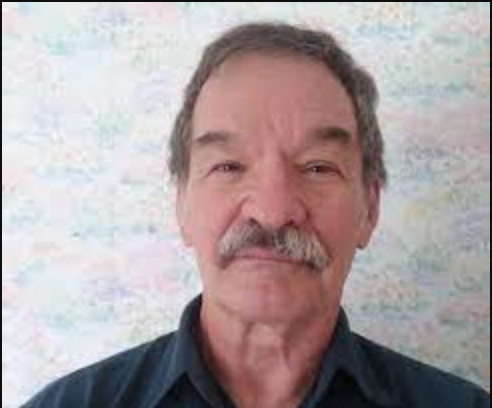
Ted Glick
Respect
for elders is a tradition deeply rooted within most cultures in this world. This
is as it should be; older people, generally speaking, have accumulated the
wisdom gained from years of experience. Does the progressive movement have any
unique or particular perspectives to add to this general rule?
I’ve
been thinking about this since a couple of recent experiences. One was hearing
Matt Jones, long-time singer, musician and activist going back to the Freedom
Singers of the Civil Rights Movement, sing his haunting song with the lines,
"who’d have thought I’d still be fighting, 30 or 40 years down the
line." The other was attending a reunion of members of the Puerto Rican
Socialist Party (which has been pretty much non-existent for 15 or more years)
during the evening just before the huge Puerto Rican Day Parade in New York City
June 11.
Matt,
the PSP’ers, and myself all have in common histories going back decades in the
struggle for justice and freedom. None of us has given up, and there are many,
many more like us around the world, literally millions. Does this give us any
special consideration by younger activists, any special respect? Do those who
have been in this struggle for four or five decades or longer automatically
deserve respect from those who have not been involved as long?
On
one level, yes, absolutely. One thing the progressive movement must be about is
mutual respect for others, human interaction at a positive, qualitatively
superior level. If this is the way we are functioning, then it will naturally
follow that those who have given long years of their lives fighting for a new
world will be given an extra measure of respect by those who are younger.
But
respect is not the same thing as hero worship, and respect has to be a two-way
street. Further, those who once made major contributions when younger are not
always fully up to the task later on in life. Perspectives, world views,
ideologies, that are developed in the first decades of a person’s life can leave
a person out-of-touch in later decades if those perspectives become rigid and
inflexible. The strain and stress of daily living over the course of many years,
not to mention political setbacks and disappointments, can turn the most hopeful
young people into skeptical, cautious, or even negative older veterans of the
struggle.
Popular
movements aren’t built on negativity and caution. They need, absolutely need,
youthful energy and enthusiasm. If the older, more experienced leaders can’t
communicate positively with others in the movement, our efforts will be in
danger of sputtering and eventually dying out.
The
question is: how can we build a movement which helps to keep all of us
"young at heart and in spirit," even if not in the joints and the
muscles?
One
way is by rejecting the hard-line, mechanistic and dogmatic approaches that have
often been standard operating procedure on the left. More specifically, we need
to build a movement that welcomes those who have a spiritual grounding to their
personal lives, who take the cultivation and development of their spirituality
seriously. These people often have important insights to contribute that can
help our organizations "lighten up" and stay humane. Even if the
movement itself is "secular" and non-religious, which is as it should
be, in general, it cannot be anti-religious, anti-spiritual. This way lies
disaster.
We
need to integrate music, art, poetry, and other forms of culture deeply and
intimately into how we go about our work. We should begin and end our meetings
with a song! We should honor and respect those who take seriously the
development of their cultural skills because they want to use them to help build
a positive movement for social change.
We
need to encourage the development of a wholistic movement linked to the natural
world, which treats our Mother Earth as the source of life that it is. We need
to learn from cultures like those of Native Americans, that have much to teach
us in this regard.
Finally,
we need to be good at more than just organizing, analysis, and agitation. We
also need to be good at personal interaction with one another and with those we
are outreaching to. We need to be known not just for our good work on issues but
for the way in which we help others who are in need. As Rosa Luxemburg wrote,
"A world must be overturned, but every tear which has flowed and might have
been wiped away is an indictment, and a man hurrying to perform a great deed who
steps on even a worm out of unfeeling carelessness commits a crime."
If
we can do these things, all of us will benefit personally. As significantly, we
will be building the kind of movement that has a realistic chance over the long
haul of making this country what it can be, what it has to be.
Ted
Glick is the National Coordinator of the Independent Progressive Politics
Network (www.ippn.org). His first book, "Future Hope: A Winning Strategy
for a Just Society," is being published this month. He can be contacted
at P.O. Box 1132, Bloomfield, N.J. 07003 or [email protected].
