
Before his retirement in 2009, Peter Bergrud was, for decades, a construction worker, laying cement, water and sewage pipes in trenches around Seattle. Bergrud often did the handling, cutting and laying of the cement pipe himself because he was so skilled.
In early 2018, he started having problems breathing, and became quickly out of breath. In February that year, he was diagnosed with two forms of mesothelioma, and told these types of cancer were only caused by asbestos exposure. Doctors told him and his family he would not survive surgery or chemotherapy.
“The pain in my dad’s face … just the look that he wasn’t going to be here any more, or that there was less and less hope every time we went to the doctor. I will never get those faces out of my head. It was heartbreaking.” said Amy DeMaio, Bergrud’s daughter.
She added: “Watching your grown dad cry because there’s nothing he can do is devastating. Watching this strong guy who could basically do anything he wanted to do, to have that and have him not be able to walk a mile down the street, he started to look sick very quickly.”
But Bergrud and his family have not just been a victim of asbestos. In their quest for justice they have also been victimized by a corporate tactic known as the “Texas two-step”, where large firms seek to get out of paying compensation to people like them.
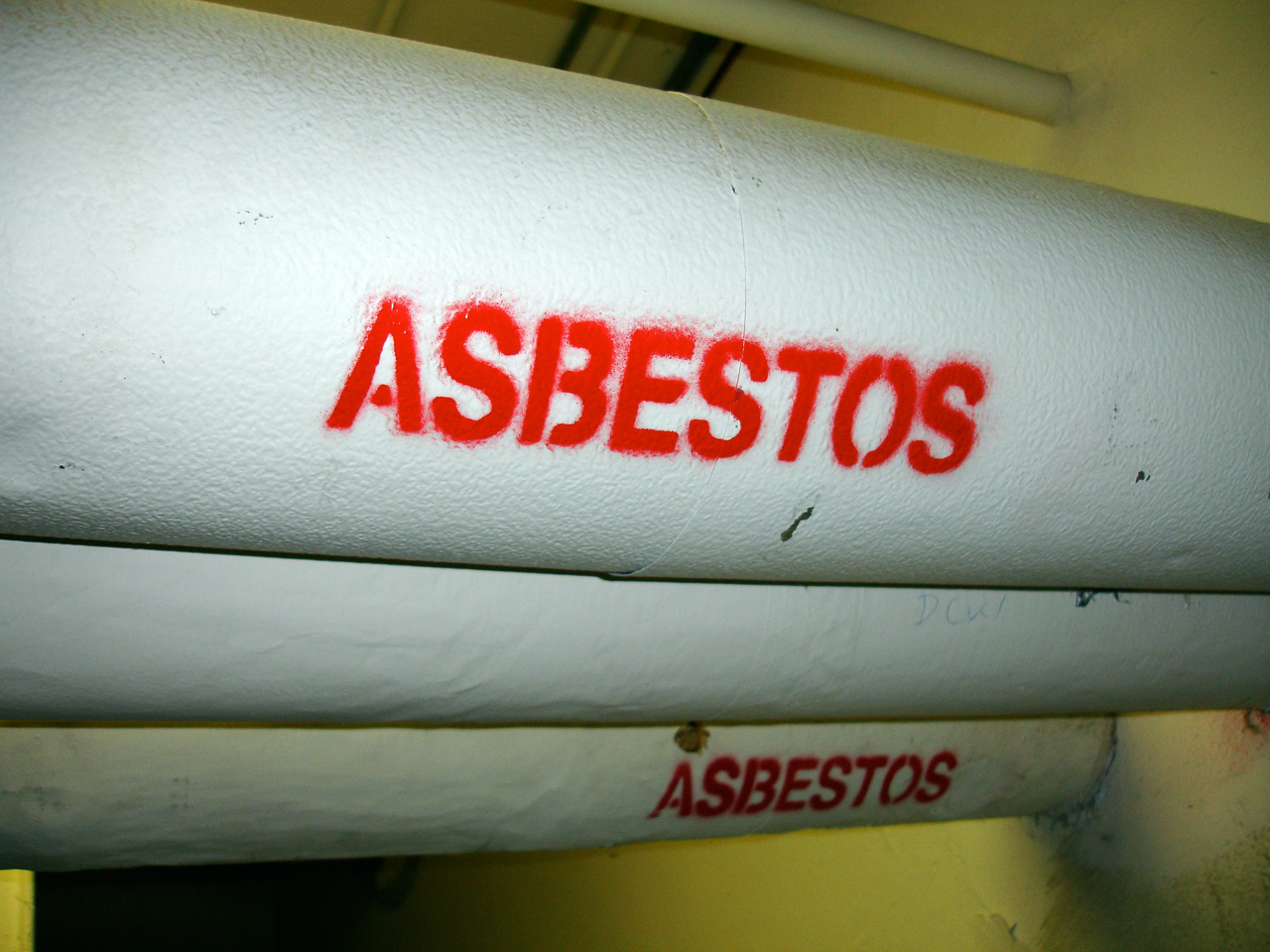
Mesothelioma is an incurable form of cancer first linked to asbestos exposure in a 1960 study. Asbestos fibers when inhaled in the lungs sets off inflammatory responses and damages cells and tissue.
In 1991, an appeals court overturned a final rule enacted by the Environmental Protection Agency in 1989 to ban most asbestos-containing products. Asbestos use has decreased dramatically, although the US has not implemented a full ban. The EPA proposed a ban of its use in April last year that has yet to be finalized.
Asbestos kills an estimated 12,000 to 15,000 Americans every year. There are about 2,500 mesothelioma-related deaths annually.
Left with no medical options, Bergrud decided to initiate a lawsuit over his asbestos exposure. His family have taken the suit up as he died six weeks after his diagnosis in 2018.
Bergrud’s attorneys tracked the sourcing of his asbestos exposure to cement pipes primarily manufactured and sold by CertainTeed, a company owned by multi-billion-dollar construction conglomerate Saint-Gobain. That firm used asbestos in manufacturing cement pipes up until 1992, despite widespread knowns of the harmful effects of asbestos exposure and federal regulations enacted in the early 1970s listing it as a hazardous air pollutant and human carcinogen.
In the US, conservative estimates place the number of exposed utility construction workers at around 60,000 to the asbestos cement pipes.
But facing thousands of litigation claims, Saint-Gobain has engaged in the “Texas two-step” tactic that other large corporations including Johnson & Johnson, Georgia-Pacific and Trane Technologies have also used. It involves offsetting liabilities into a corporate entity and filing for bankruptcy through the new firm, resulting in lawsuits to be suspended.
In Saint-Gobain’s case, a subsidiary, DBMP LLC, was formed and filed for bankruptcy 91 days after its creation, with over 32,000 asbestos claims in litigation at the time of filing.
The legal maneuver has been criticized as an abuse of the bankruptcy system used by highly profitable corporations to escape accountability. All four companies have utilized the same law firm: Jones Day.
Amiel Gross, a former attorney for Saint-Gobain turned whistleblower, testified that the company misrepresented its intent in forming the new subsidiary, and records revealed the company planned its two-step bankruptcy for months under the code name “Project Horizon”.
Saint Gobain reported record revenue and profits in 2022, with over $55bn in revenue, over $5.7bn in profit, and over $1bn returned to shareholders through dividends and stock buybacks.
Meredith Good, an attorney representing Bergrud’s family with MRHFM, the largest law firm in the US devoted to mesothelioma cases, said the legal case against Saint-Gobain faced several delays due to the Covid pandemic and the company’s bankruptcy maneuver.
“They made a huge profit selling this pipe that they knew would kill people,” said Good. “They knew the amount of dust that was getting released. They knew the asbestos that was released and the guys who were doing the work had no idea. It is possible to make cement pipe without asbestos, obviously, because asbestos, as far as we know, isn’t being used now. But asbestos was cheap.”
Clay Thompson, another attorney representing Bergrud’s family at the same firm, said the case against the Saint-Gobain subsidiary has been pending in court in North Carolina for three years. They intend to make the argument that the company doesn’t belong in bankruptcy court.
“Billionaires are using bankruptcy as a menu choice,” said Thompson. “You’ve got an entity like DBMP that wants to be in bankruptcy. It doesn’t have anything to reorganize. It doesn’t have any operations and so CertainTeed is happy for DBMP to sit and rot in bankruptcy for as long as possible. Meanwhile CertainTeed can’t be sued.”
A spokesperson for Saint-Gobain North America said in an email: “We are confident in DBMP’s legal position and our ability to reach a final, full and fair resolution with asbestos claimants. We continue to support DBMP’s intention to equitably and permanently resolve current and future asbestos claims.”
That cuts little ice with DeMaio. She just misses her dad.
“He was taken way too early. We had so much more time that we were supposed to have together. They have to be held accountable for their actions,” she said.
ZNetwork is funded solely through the generosity of its readers.
Donate