



Jesse Jackson’s two presidential campaigns (1984 and 1988) represented the pinnacle of the Black-led electoral upsurge which began in the late 1970s. This upsurge symbolized a transition in the struggle for Black political power, but also much more. Arising at a point when neoliberalism was beginning to cohere, the Black-led upsurge challenged the failure of the “1960s” movements to introduce substantive structural reforms.
The Jackson campaigns represented an introduction of what we have come to understand as “Third Reconstruction politics.” At the time, some of us described the politics of Jackson and the Rainbow as “pro-equality populism,” i.e., a mass, progressive populist movement that saw the battle against social injustice—including but not limited to race and gender—as central to a re-envisioned US.
The Jackson campaigns and the Rainbow Coalition articulated the need for a mass democratic movement that was truly inclusive. Though Black-led, the campaigns reached out to various constituencies, especially those sectors of the population that had been regularly marginalized. Jackson’s working-class orientation was a marked contrast with mainstream Democratic Party politics. But it was the way that Jackson could speak to the people—white workers in Jay, Maine; Chicanos in Los Angeles; African Americans in St. Louis; farmers in Missouri—and articulate a common, progressive message, that was almost mind-bending.
The 1988 campaign drew together many forces on the Left, some of which—like the Democratic Socialists of America—had shied away from the 1984 campaign. It articulated messages on domestic and foreign affairs that broke new ground, including but not limited to the Palestinian liberation struggle and the relationship to Cuba. On so many levels the 1988 Jackson campaign was one of the closest we have seen to a social democratic effort within the context of US electoral politics, at least in the era since the beginning of the Cold War in the 1940s. In that sense, the Jackson campaigns and the Rainbow Coalition felt like an obvious home for the broad Left.
After 1988: The Rainbow at a Crossroads
The National Rainbow Coalition (NRC), which held its first convention in 1987, was to be a mass democratic organization and operate as an organization working inside and outside of the Democratic Party. During the 1988 campaign, the question of the future of the NRC was put on hold, but after the election discussions unfolded regarding the future. Between November 1988 and March 1989, it became clear there were two very different visions developing regarding the future of the Rainbow. One, represented by much of the Left and by certain Rainbow chapters, was to advance the Rainbow as a mass democratic organization, fighting for both local and national political power. The other vision, which struck so many of us as incongruous, was that the Rainbow should become the personal organization of Rev. Jackson. In March 1989, apparently on the recommendation of some of his key advisors and, particularly, Democratic Party establishment individuals, the decision was made to transform the Rainbow into Jackson’s personal organization. At that moment, the Rainbow began its slow path towards death.
In the 1980s Rev. Jackson and the Rainbow, through his campaigns and through the initial work of building the Rainbow, demonstrated the possibilities for Third Reconstruction politics in the US and an alternative to the rising right-wing populist movement which would ultimately become neofascist. But the moment was lost.
Lessons for 2028 and Beyond
Today, we must learn from the Jackson campaigns’ strengths and weaknesses. A progressive presidential campaign can have a catalyzing effect on the growth of a social democratic politics rooted in a “pro-equality populism” that brings together struggles for racial, gender, and economic justice. But we need this politics to be much more than just a candidate campaign. We must cultivate a genuine mass democratic organization capable not just of winning elections, but of growing the social and political power needed to win a Third Reconstruction.
Absent such an orientation, the Rainbow faded. Icarus flew too close to the Sun. The Left must learn from Daedalus and reach the shore of the Third Reconstruction with all deliberate speed.

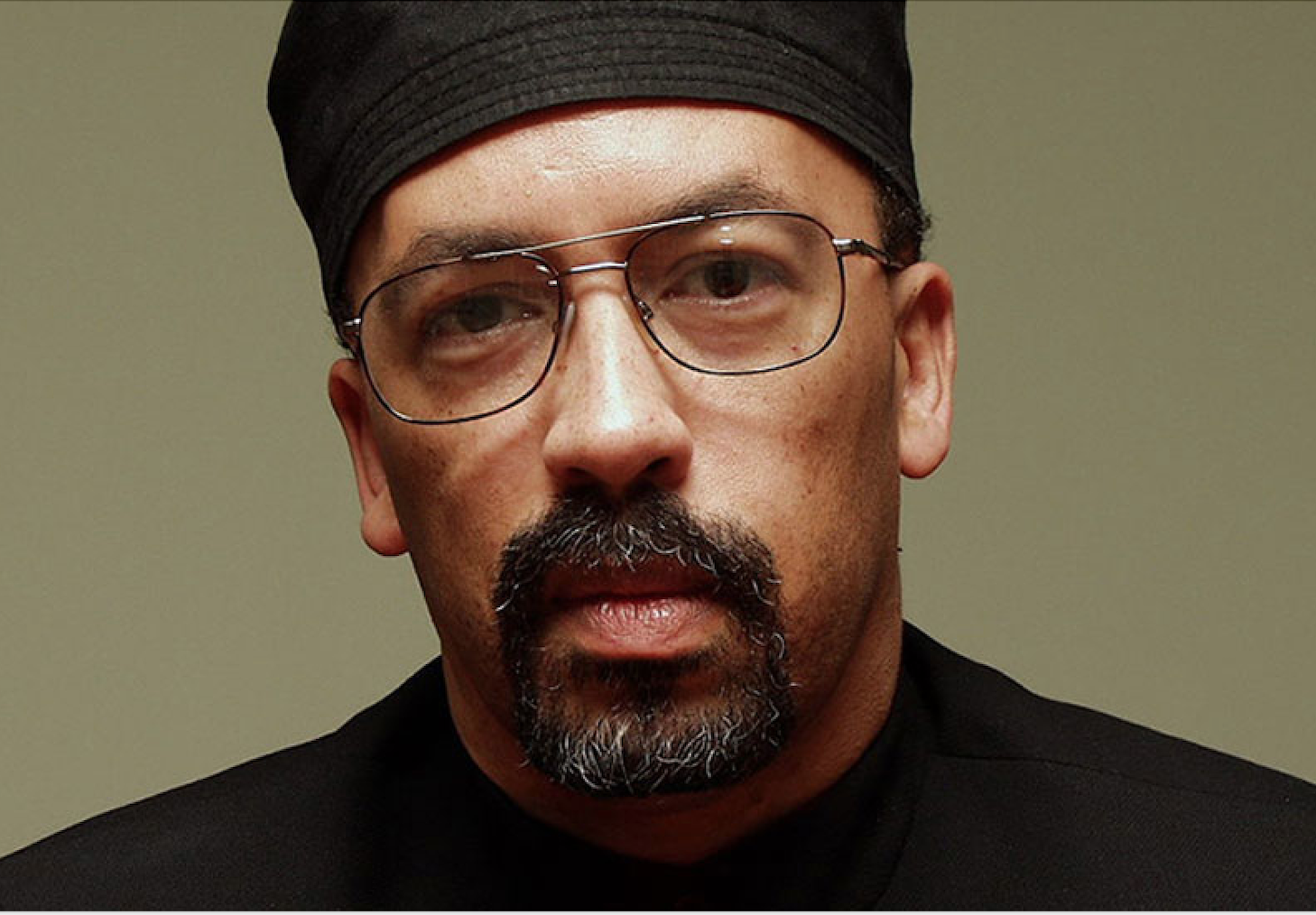
Bill Fletcher Jr (born 1954) has been an activist since his teen years. Upon graduating from college he went to work as a welder in a shipyard, thereby entering the labor movement. Over the years he has been active in workplace and community struggles as well as electoral campaigns. He has worked for several labor unions in addition to serving as a senior staffperson in the national AFL-CIO. Fletcher is the former president of TransAfrica Forum; a Senior Scholar with the Institute for Policy Studies; and in the leadership of several other projects. Fletcher is the co-author (with Peter Agard) of “The Indispensable Ally: Black Workers and the Formation of the Congress of Industrial Organizations, 1934-1941”; the co-author (with Dr. Fernando Gapasin) of “Solidarity Divided: The crisis in organized labor and a new path toward social justice“; and the author of “‘They’re Bankrupting Us’ – And Twenty other myths about unions.” Fletcher is a syndicated columnist and a regular media commentator on television, radio and the Web.
ZNetwork is funded solely through the generosity of its readers.
Donate




