
This story was originally published by Wired and is reproduced here as part of the Climate Desk collaboration.
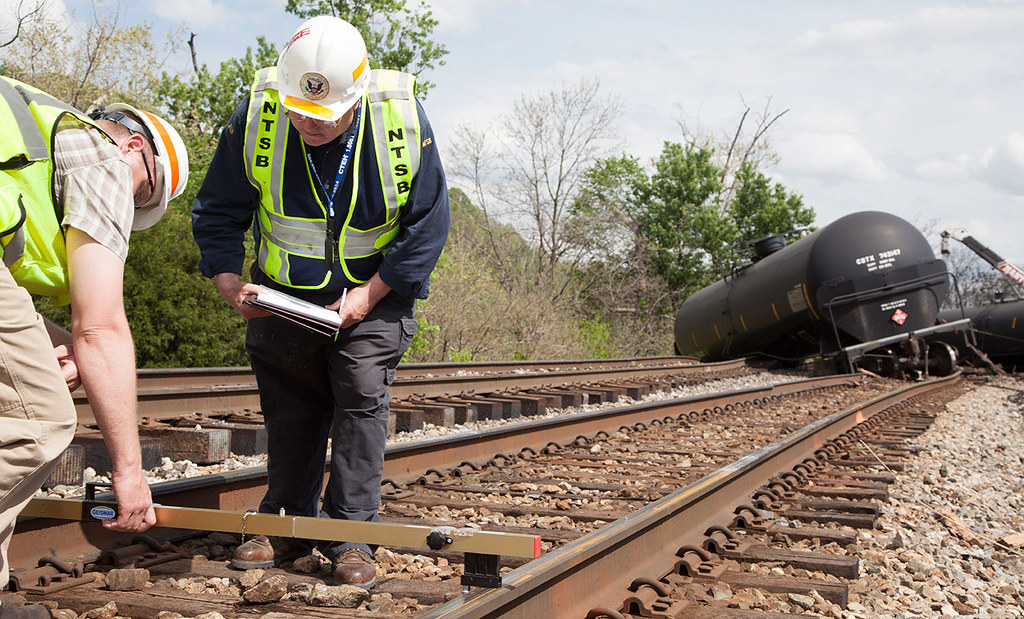
The plastic crisis looks like a sperm whale filling up its stomach with bags. It looks like cucumbers and bananas—which have perfectly good skins of their own—wrapped in single-use plastic. But before all that, it looks like a burning train wreck in East Palestine, Ohio.
Before it derailed, Norfolk Southern’s 9,300-foot-long freight train was carrying 20 cars containing hazardous materials. The fire cooked off a haul of vinyl chloride—the chemical that makes PVC (polyvinyl chloride) plastic and is also a carcinogen—and bathed the area in a plume of smoke loaded with highly toxic chemicals. Also on the train were butyl acrylate and ethylhexyl acrylate—both toxic ingredients in plastics—and a slew of other chemicals, which mixed together and burned. The incident has made global headlines, but the cause of this toxic slurry—namely corporations’ insatiable appetite for plastic—hasn’t been the focus.
“This is a major industrial accident that has resulted in a mixture of chemicals used for a variety of purposes,” says Ted Schettler, science director of the Science and Environmental Health Network, a nonprofit group. “You’re creating conditions for new chemicals to be formed. It’s not only the individual chemicals that went into the mixture, but it’s also what’s being produced as it’s being burned.”
Vinyl chloride is one of around 10,000 chemicals that have been used in plastics, according to one estimate. Over 2,400 of those chemicals are of concern to scientists, meaning they’re either toxic or persist in the environment and organisms. According to the National Cancer Institute, vinyl chloride is associated with lymphoma, leukemia, and cancers of the brain and lungs. One study found that workers exposed to PVC dust had significantly higher risk of cancer.
The chemical at the center of the Ohio derailment is actually one of the longer-studied carcinogens in an occupational setting, with data going back to the 1970s, according to John Bucher, former associate director of the National Toxicology Program. “There were studies in some of the vinyl chloride production plants and PVC production areas where people were showing up with cancers, primarily in blood vessels in the liver,” says Bucher.
That’s what makes the disaster in Ohio so alarming. Five rail cars of vinyl chloride burned—some of it done intentionally to reduce building pressure—likely producing toxic compounds called dioxins. Because hot air from a fire rises, the flames from the train sent a black plume high into the air, potentially spreading toxicants far beyond the site of the derailment. “The thing about dioxins is they’re potent at really low levels, and are persistent and bioaccumulative,” says Schettler. This means they persist in the body instead of breaking down. “You don’t want dioxins deposited in the soil around East Palestine that are not going to go away, and are going to bioaccumulate in people who are exposed to it.”
The Environmental Protection Agency has deemed the air in East Palestine to be safe. Officials have also said the water is safe to drink. But there are still many unknowns about these individual chemicals and the way they mix together and burn, according to Gerald Markowitz, a historian of occupational and environmental health at the City University of New York. “There is real concern that there is no safe level of exposure to a carcinogen,” says Markowitz.
Given that it’s so toxic, what was vinyl chloride doing on a train? PVC is one of the most common kinds of plastic, used most notably in piping, but also in packaging and consumer products like shower curtains. There are some 5,000 businesses in the US alone that produce the various kinds of plastic, says Judith Enck, president of Beyond Plastics and a former EPA regional administrator. And they all need ingredients. “It’s not just trains, it’s also trucks moving the stuff,” says Enck.
And it’s not just vinyl chloride. Manufacturers have to add gobs of other chemicals to give plastic its plastic properties—things that make the polymer more heat resistant, for example, or more flexible. Many of these are known endocrine-disrupting chemicals, or EDCs, which make our hormones go haywire. That’s why bisphenol A, aka BPA, was singled out, after scientists linked it to cancer, behavioral conditions, and diabetes.
But it’s a game of Whac-A-Mole. When one chemical is found to be dangerous, manufacturers substitute in others that may be just as toxic, if not more so. “There hasn’t been the research to know if they’re safe, or if they are less dangerous but still of concern,” says Markowitz. It will probably take years before we know the potential side effects of replacement chemicals, he adds.
And BPA was just one of the 2,400 other chemicals in plastics that scientists consider to be of concern. A 2021 study found that exposure to plastic chemicals called phthalates could be responsible for 100,000 premature deaths in the US each year—and that was a conservative estimate.
The core issue is that what’s put in plastics doesn’t stay in plastics. When a bag or bottle breaks apart, it releases its component chemicals as leachates. Heat and freezing also fragment any plastic into microplastics, which have corrupted every corner of the environment, as well as our own bodies. They’ve been found in human lung tissue, guts, blood, and even newborns’ first feces. Yet we know little about the health consequences of microplastics, though early studies are finding that microplastics are highly toxic to human cells in lab experiments. The fire in East Palestine is a particularly alarming example of a crisis that’s worsening by the day.
We know full well, though, how to keep trains from exploding and burning up vinyl chloride, and how to reduce the amount of microplastics entering the environment and our bodies. “We just have to make less plastic,” says Enck. “That’s the only way out of this.” One option that negotiators are currently discussing for a UN treaty is a cap on production of the material. “I think it’s more realistic that we’re going to reduce plastic production than improve rail safety,” Enck adds.
The nagging issue is that even though companies have to ship vinyl chloride and other chemicals around by train and truck, it’s still much cheaper to create more virgin plastic than to improve recycling infrastructure. In fact, the US now recycles just 5 percent of its plastic waste, according to Beyond Plastics and other groups. (Germany, by contrast, recycles half its plastic.) Meanwhile, America exports billions of pounds of plastic waste each year to countries like Malaysia and Vietnam, where it’s often burned in open pits, poisoning surrounding communities. Every day there, it’s basically an East Palestine train fire.
Humanity is now churning out a trillion pounds of plastic a year, and production could triple from 2016 levels by 2050, according to the World Economic Forum. By then, annual emissions from the industry will be the equivalent of 615 coal-fired power plants.
Plastic is absurdly cheap—on paper. But that doesn’t factor in the environmental cost. At every point in plastic’s life cycle—from production to use to disposal—the material is poison, for people and the planet. “When I talk to restaurant owners about why they’re continuing to use single-use plastics, the first thing they say is: Because it’s cheap,” says Enck. “But who pays? Don’t tell people in East Palestine that plastics are cheap.”
ZNetwork is funded solely through the generosity of its readers.
Donate