

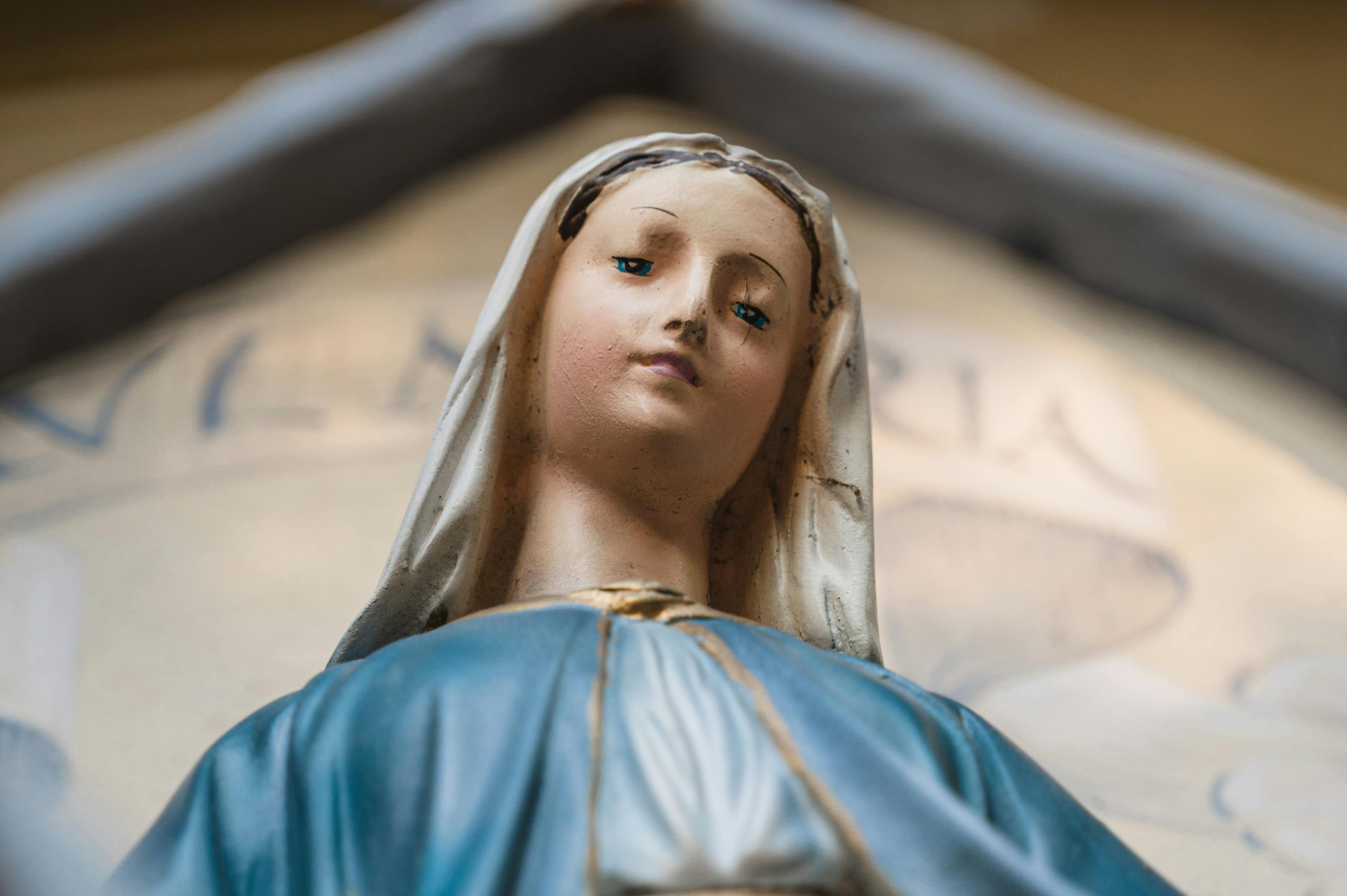
Like nearly a third of U.S. adults, I was raised Catholic. So when Pope Leo XIV was elected, I took note.
What stood out to me was not just our shared nationality, but the legacy of his chosen name.
His predecessor, Leo XIII, issued Rerum Novarum, an 1891 encyclical that supported labor unions and championed workers’ rights. But in the United States today, those rights are under threat — often by Catholic institutions themselves, which are increasingly using claims of “religious liberty” to sidestep labor protections.
One case currently before the Supreme Court makes the danger clear.
Subsidiaries of Catholic Charities Bureau, a religious nonprofit, are challenging Wisconsin over whether they should be required to pay into the state’s unemployment insurance system. They argue that because Catholic Charities’ mission is religious, the subsidiaries — which perform secular social services and employ non-Catholics — shouldn’t have to follow the same rules that apply to all other secular organizations.
If the Court agrees, any church-affiliated employer who claims a religious motivation could opt out of contributing to this worker safety net.
Another tactic some religious organizations are using is to claim a “ministerial exception.” Ostensibly intended to protect a church’s autonomy in choosing its spiritual leaders, the exception has since been stretched into a catch-all excuse to deny employees of religious schools all kinds of legal recourse.
For instance, a teacher at St. James School in Torrance, California, was let go after being diagnosed with breast cancer and requesting time off for treatment. She believed her termination violated the Amercians with Disabilities Act and sued. But in a 2020 ruling, the Supreme Court found her role fell under the ministerial exception. (Tragically, the teacher died before her case was ever resolved.)
Last year, another federal court upheld the firing of a teacher at Charlotte Catholic High School in North Carolina after he announced his marriage to a same-sex partner on social media. Despite teaching secular subjects, the court deemed his role sufficiently religious to fall under the ministerial exception, barring his discrimination claim under the 1964 Civil Rights Act.
Five years ago, the National Labor Relations board established a broad standard for religious exemptions to the 1935 National Labor Relations Act, which grants employees the right to unionize. Following this, Saint Xavier University in Chicago and Florida’s Saint Leo University dissolved faculty unions that had weathered over 40 years of collective bargaining. Marquette University in Milwaukee is currently relying on the same exception to block their faculty from unionizing.
These legal maneuvers distort the true meaning of religious freedom. The First Amendment was meant to shield houses of worship from state interference, not to provide religious organizations with a sword to cut down the rights of others whenever it suits their interests.
If left unchallenged, this string of rulings will create a two-tiered system of worker protections: one set of rights for people working for secular employers, and another — far weaker — set of rights for those working in religious settings.
The consequences are far-reaching. Religious organizations employ an estimated 1.2 million people nationwide. Nearly 20 percent of hospital beds in the U.S. are in religiously affiliated facilities. Catholic schools alone employ tens of thousands of teachers and staff members.
If these employers are allowed to claim broad exceptions to labor laws, millions of workers could find themselves without protections. And if secular employers are allowed to claim religious motivation and take advantage of religious exemptions, the number of workers denied civil rights protections could increase exponentially.
There is a long tradition in Catholicism — from Pope Leo XIII to Dorothy Day — of standing with workers. That legacy deserves better than to be contorted into a legal loophole for skirting labor protections. When an employer invokes faith to duck accountability, it’s not practicing religion — it’s exploiting it.
ZNetwork is funded solely through the generosity of its readers.
Donate




