


The rich men’s club, founded 34 years ago, was beginning to show its age. It had become too exclusive, too western, too cosy. Initially, Asia was only represented by Japan, which generally had nothing to say, and Latin America and Africa were not represented at all. Then walls came down, the balance of world power tipped, the age of the global village and cultural dialogue was born: what had been the Group of Six (G6) in 1975 (1) became the G7 in 1976 (when Canada joined), the G8 in 1997 (when Russia became a member), and finally the G20. This was back in 1999, long before Nicolas Sarkozy started to take credit for every innovation since the world began.
With the arrival of Brazil, Argentina, South Africa, India and China, the G20 was inevitably going to turn the crumbling international order on its head, let the South have a say, and ring the death knell of the Washington "consensus". November 2008 seemed the ideal moment. Financial crash, economic crisis – a perfect opportunity perhaps to wipe the slate clean and start again in this brave new world of many voices?
This type of "diversity" turned out to be much the same as other kinds. Ignoring pressure from below, the club dusted down the old balance of power and replaced the tired old leaders with bright new boys. As for the programme, the G20 (2) declared: "Our work will be guided by a shared belief that market principles, open trade and investment regimes, and effectively regulated financial markets foster the dynamism, innovation, and entrepreneurship that are essential for economic growth, employment and poverty reduction." And it had the effrontery to add: "These principles… have lifted millions out of poverty, and have significantly raised the global standard of living."
In other words, the strategy enacted three decades ago was the right one and the current crisis – just a little blip? – will be solved by more "effective" regulation of financial markets. One must pause at this point to admire the restraint shown by Argentina, still smarting from the wounds inflicted by the liberal order it has just joined.
The G20 declaration is a mixture of platitudes, gobbledegook and dogma. Two months after the Wall Street crash, we look in vain for any sign of doubt about the inequitable policies – and the financial institutions – which encouraged tens of millions of ordinary people to incur massive debts to offset the persistent erosion of their incomes. There is not a word about tax havens, unless they should feel threatened by the announcement that measures are forthcoming "to protect the global financial system from uncooperative and non-transparent jurisdictions that pose risks of illicit financial activity". And fans of investment funds are no doubt shaking in their shoes now the G20 countries have promised to "strengthen financial market transparency… by enhancing required disclosure on complex financial products." But how can the G20 name the culprits when the biggest ones are drafting the Group’s press releases?
Of course, a "new Bretton Woods agreement" can’t be cobbled together in a few weeks. The original 1944 agreement was two years in the making. But it wasn’t just a matter of improvisation at the meeting and a changing of the guard in Washington. The 20 were occasionally capable of some straight talking: "We underscore the critical importance of rejecting protectionism… within the next 12 months, we will refrain from raising new barriers to investment or to trade in goods and services… we shall strive to reach agreement this year on modalities that leads to a successful conclusion to the WTO’s Doha Development Agenda with an ambitious and balanced outcome." How strange if the result of the current economic storm turns out to be that governments representing 65% of the world’s population have chosen to endorse free trade and financial globalisation.
________________________________________________________
(1) The Group consisted of France, the Federal Republic of Germany, Italy, Japan, the United Kingdom and the United States.
(2) "Declaration of the Summit on Financial Markets and the World Economy", Washington, 15 November 2008.
Translated by Barbara Wilson

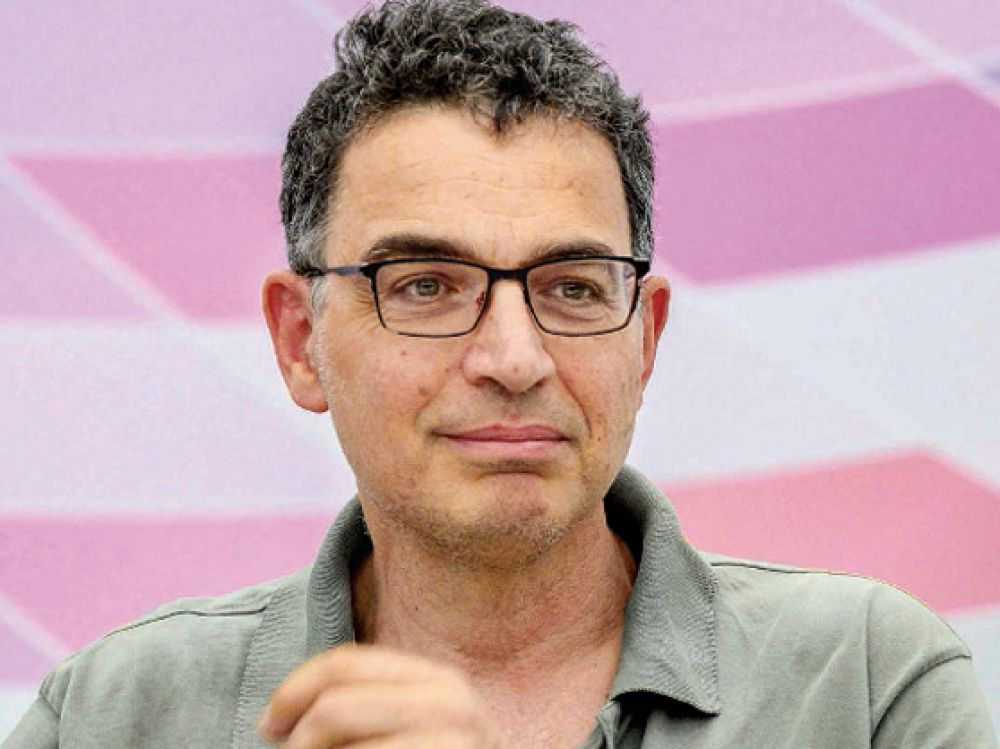
Serge Halimi writes for le Monde diplomatique (www.mondediplo.com) and is the author of Le Grand Bond en Arrière: Comment l'ordre libéral s'est imposé au monde (The Great Leap Backward: How the liberal order was imposed on the world)
ZNetwork is funded solely through the generosity of its readers.
Donate




