


The central difficulty for left social movements is determining electoral tactics that will enable them to win both in the short run and in the middle run. On the surface, it seems that winning in the short run conflicts with winning in the middle run.
In the short run, the primary objective of a left movement must be to defend the urgent needs for survival of all the so-called 99% of the population, but especially those of the poorest strata. In order to do this, they have to control state institutions at all levels. This means participating in elections.
In all those places where electoral institutions permit some transfer of power from one set of elected officials to an opposing one, the obvious need of left movements is to win such elections. Winning such elections can, however, disable the ability of left movements to win the middle-run battle concerning the fundamental choice of which kind of system (or systems) will win out in the structural crisis of our existing capitalist world-system. The way to avoid this is never to engage in electoral politics.
Engaging in elections has two negative effects on left social movements. It distracts them from organizing for the battle to win the middle run. And it disillusions members who see it as selling out because they are being called upon to vote for persons who are not committed to transforming the world-system.
Is there any set of electoral tactics that makes it possible to escape these consequences? I think there may be. The first and in a sense the easiest thing to do is to discuss at length within the left movement the difference between the short-run and middle-run temporality and the place of electoral tactics in the struggle.
Just discussing this issue within the left social movement would help holding the left movement together and restoring mutual confidence. The discussion should be about the two greatest dangers. In the short run, winning elections requires the votes of many who have no interest whatsoever in transforming the world. These persons will demand a price for their support.
How big a price will vary. How minimal a payment can be made by the left social movement will vary as well. Each electoral battle is different.
The other danger is that of disillusionment. Again, each situation varies. But the way to combat disillusionment is always to avoid illusions. National or local victories should of course be celebrated. But they should never be treated as more than stopgap victories aimed at protecting the poorest strata.
I believe it is possible for left social movements to be successful at navigating the dangerous shoals of electoral politics. By neither embracing nor refusing definitively electoral politics, they may find that winning in the short run actually can train members for the middle-run battle.
In that way, left social movements might actually do both at the same time – win the short-run and the middle-run battles. Indeed, far from conflicting with each other, this is the only way the left social movement can succeed in either battle.

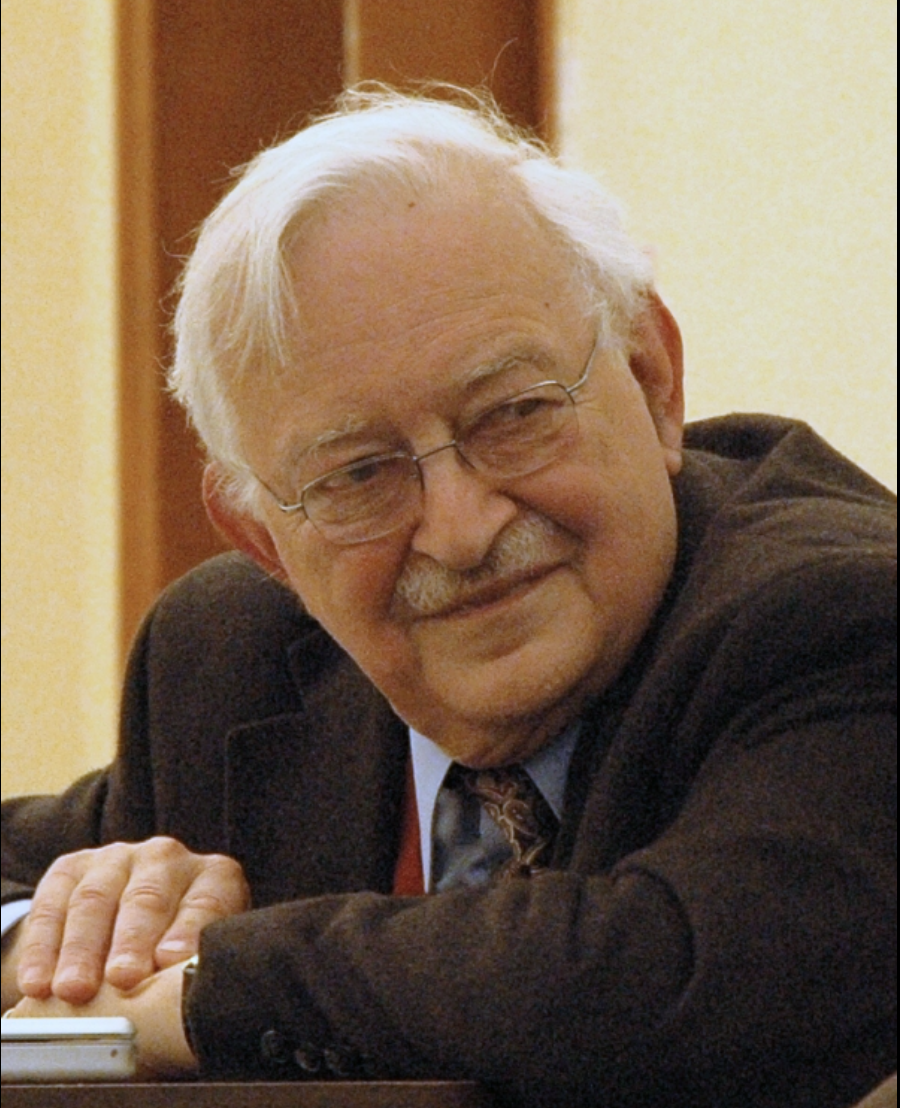
Immanuel Wallerstein (September 28, 1930 – August 31, 2019) was an American sociologist and economic historian. He is perhaps best known for his development of the general approach in sociology which led to the emergence of his world-systems approach. He was a Senior Research Scholar at Yale University from 2000 until his death in 2019, and published bimonthly syndicated commentaries through Agence Global on world affairs from October 1998 to July 2019. He was the 13th president of International Sociological Association (1994–1998). Politically, he considered himself on the "independent left" and was active in a variety of organizations. He argued that we are in the transition from our existing capitalist world-economy to some new system, and that the great political struggle of our time is about which new kind of systemic order will replace our existing one. A new systemic order could be better or worse, depending on our collective ability to push the worldwide decision in one direction or another. He believed that a crucial element in this is a vast debate about the kind of better system we wish to build, and saw the Reimagining Society Project as one of the ways to further this collective debate.
ZNetwork is funded solely through the generosity of its readers.
Donate





1 Comment
My view of the role of electoral politics in the long term strategy of left movements is to view it as, not a part of the battle itself, but rather a tactic to o alter the terrain of the battlefield under our feet to our favor. Most, would-be left activists I engaged last year seemed incapable of understanding this – they conflated elections with the goals of the struggle. Consequently, we are on pretty unfavorable terrain right now.
The only thing the current terrain offers us now is the effect of “sharpening the contradictions”, or “The worse, the better.” Unfortunately, while the logic of this is compelling, it is a tactic that has has historically failed.