


Did that get your attention?
A new Netflix series on John Gotti, the notorious late leader of the Cosa Nostra’s (Mafia’s) Gambino crime family is a remarkable look at the rise and fall of one of the most well known criminals of our time. Whether you’ve followed Gotti’s career or not, you will find the documentary fascinating in its detail of his brutal rise and take-over—via assassination—of one of the most important of the notorious “five families” of the Cosa Nostra.
Yet what is most striking about the series is not the legendary way Gotti was able to avoid prison, but the attention and even admiration he captured over the years, one trial after another. “Dapper Don” and “Teflon Don” were two of the terms invented by the media to describe Gotti’s ability to get away with … murder.
Gotti was built up by the media into a larger-than-life figure—and he apparently loved it. His expensive suits and well trimmed hair made him a dashing figure. He did not need extensive interviews with the media in order to gain the sort of attention he received. He needed only his picture, with his sly look, posted in every newspaper and across all the television stations..
And amazingly, people gobbled it up. Many celebrities showed a fondness for Gotti. In one television clip, actor John Amos (of the series Good Times) commented to the effect that he liked Gotti’s style. His style? The man was behind multiple murders, extortion rackets, robberies, etc.
Yet, like many other criminals, Gotti was fascinating to many in the media and entertainment industries, and, through them, to a semi-adoring public. Gotti was the “bad boy” who gave a middle finger to “the system.” And when that system tried everything it could to put him away, he somehow survived, in part due to the competitiveness and incompetence of various government agencies. Gotti did have a social base among certain sections of his own neighborhood. But more importantly, it was the elite media who gave him wide visibility and presented him as something he was not. What he was, of course, was a murderer and, as it turned out, a less-than-brilliant leader of the Gambino crime family.
The media ate up the “bad boy” thing. They eagerly followed gangsters like “Crazy Joe” Gallo, who was allegedly involved in the assassination of mob boss Joseph Colombo and who loved associating with celebrities. One can see this kind of media attention going back to the 1930s, with actors such as George Raft. Yet the Gotti phenomenon went beyond celebrities. It touched a nerve in the public … until it did not.
While watching the Netflix documentary, I found myself wondering—and asking my wife—what made Gotti so attractive? Wouldn’t people have understood precisely who he was? The answer is simple: Yes, they understood who he was, and they did not care—until two things happened. First, he fell out of style. And second, upon his ultimate conviction, the full brutality of the man became undeniable.
With this criminal bio in mind, let’s return to Donald Trump. Trump serves as our national Gotti. I do not mean the extent of alleged criminal behavior or any direct involvement in murder (Trump has never been alleged to have been involved in murder). Trump is a bad boy: He keeps holding up both middle fingers to the “system” while at the same time crying about being a victim. It is actually the latter that may become his undoing, because it is so childish and weak. For now, he is getting away with it. Trump’s supporters ignore the multitude of charges against him because he is saying what they want to hear and because they believe he is a victim of the system, or the supposed “deep state.” His flamboyant playboy image and displays of temper all make him what a (mostly white, mostly male) section of this country wants. Whether they really want him elected again is a different matter, but for now his antics seem to express their collective discontent, regardless of the actual source of such discontent.
Toward the end of the original Thomas Crown Affair, Steve McQueen, in the title role, explains to investigator-turned-lover Vicki Anderson (Faye Dunaway) why he is going to commit a second robbery: He wants to “stick it to the system.” Really? Thomas Crown is a millionaire businessman. He made his money through and for that system. So, what system is he actually talking about?
In other words, there is a libertarian, self-indulgent side to criminal activity, a desire to break with any constraints. Trump’s alleged revulsion with the system is, fundamentally, no different from that of Thomas Crown or John Gotti. The system gets in the way of their making more money and, more importantly, doing whatever the hell they want to do.
This libertine self-indulgence has an attractive side, particularly to those who have stomped on by the system, people whose dreams of upward mobility and the “good life” have been destroyed or, at best, shrunk. There are those who wish to live vicariously through the antics of the bad boys, sticking it to the faceless monster that deprives them of the ability to do whatever the hell they want. Sadly, in the case of the majority of the population, it is this very capitalist system that deprive most of us of the good life we long for. So, if we cannot live the life we want, we can at least enjoy watching when the likes of Gotti go free. And this is true for those who rejoice at an angry, maniacal Trump seemingly taking on a system that, by the way, made him and his father filthy rich.
“Taking on the system” has no concrete meaning here other than scapegoating. Just as nineteenth century socialist August Bebel brilliantly described antisemitism as “the socialism of fools,” we can today say that the idolatry of Gotti and Trump and their bad-boy ethos of taking on the system is nothing more than the populism of fools.

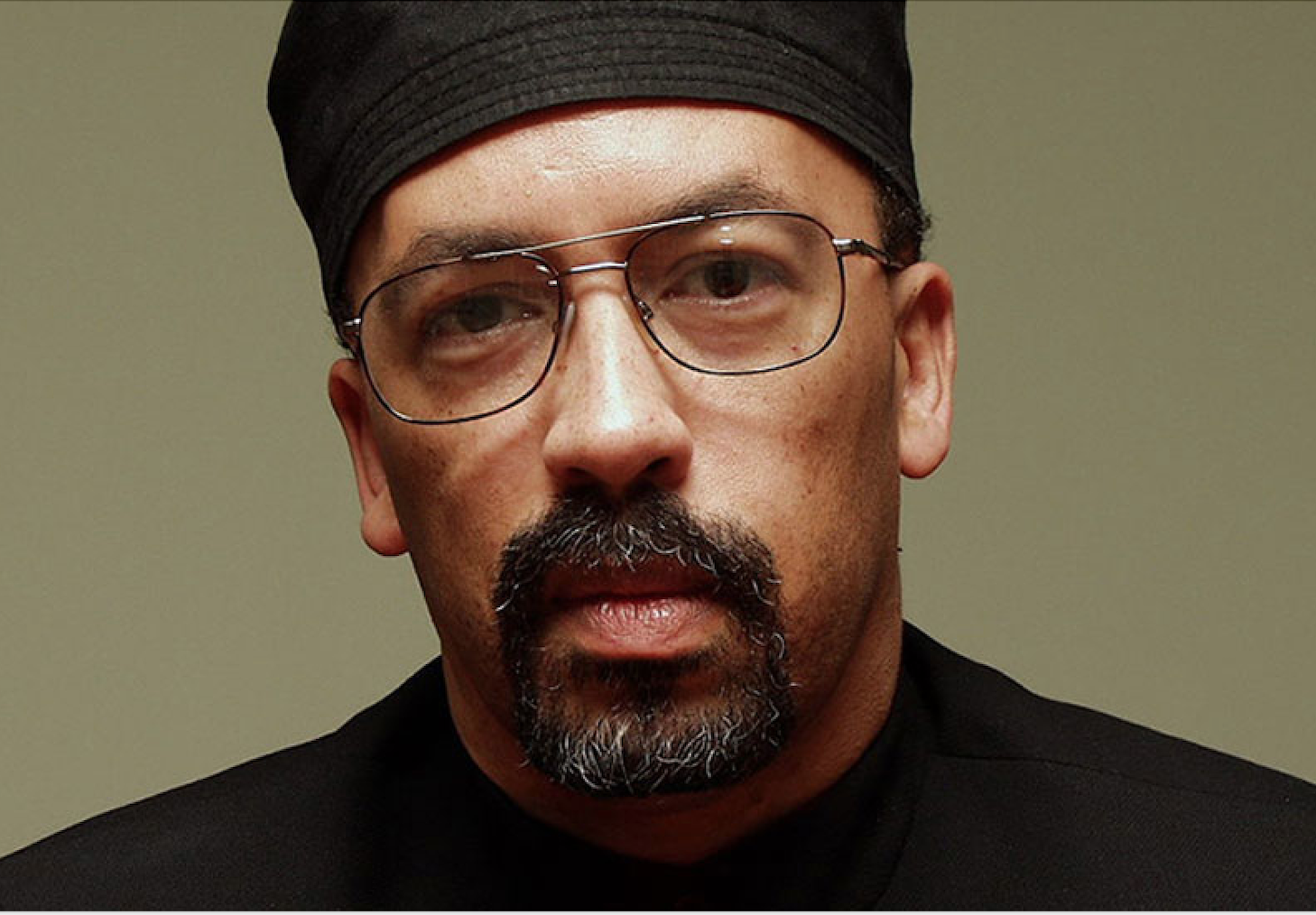
Bill Fletcher Jr (born 1954) has been an activist since his teen years. Upon graduating from college he went to work as a welder in a shipyard, thereby entering the labor movement. Over the years he has been active in workplace and community struggles as well as electoral campaigns. He has worked for several labor unions in addition to serving as a senior staffperson in the national AFL-CIO. Fletcher is the former president of TransAfrica Forum; a Senior Scholar with the Institute for Policy Studies; and in the leadership of several other projects. Fletcher is the co-author (with Peter Agard) of “The Indispensable Ally: Black Workers and the Formation of the Congress of Industrial Organizations, 1934-1941”; the co-author (with Dr. Fernando Gapasin) of “Solidarity Divided: The crisis in organized labor and a new path toward social justice“; and the author of “‘They’re Bankrupting Us’ – And Twenty other myths about unions.” Fletcher is a syndicated columnist and a regular media commentator on television, radio and the Web.
ZNetwork is funded solely through the generosity of its readers.
Donate




