


BAGHDAD — Picture yourself as an American reporter here in the Iraqi capital.
You’re based in one of the fraying rooms at the Al Rashid, the large hotel where most Western journalists stay.
There’s plenty to cover, but the obstacles are daunting. Iraq’s government often makes things difficult: “Minders” accompany you. Interviews with top officials are hard to obtain. Sometimes international calls can’t get through.
Editors back home want you to be a bit ahead of the U.S. media curve — but not too far out on a limb. Your stories are supposed to be ahead of the pack but not out of step.
The winter weather is unseasonably mild under blue sky. But the scene is grim. By now, even the most optimistic souls can’t quite believe their own denial. Nothing is certain, but one specter is close: The missiles are coming. Probably within a few weeks.
Fear is in the air. And a sense of doom has fallen over the city like a smothering blanket. But there’s little time to dwell on, or even acknowledge, such emotions. Staying busy seems to push back the dread.
There’s no telling whether your 10-day visa will be renewed. You want to stay on, filing stories destined for front pages. You’d have an up-close look at a turning point of history. But during the later stages of the Pentagon’s assault, there’s no telling what might happen to you.
Day by day, as the probability of war nears certainty, you realize that you’re getting a small taste of the insecurity that Iraqi people have been facing for a long time. And despite all the claims of reportorial “objectivity,” it’s hard to deny that many deep stories aren’t getting much coverage.
You might do a story about the escalating fears among Iraqi children. Many of them are now exhibiting signs of acute anxiety. You realize that the youngsters, along with older Iraqis, are experiencing a form of terror. Yet the U.S. government is supposed to be opposing terrorism, not inflicting it.
But the routine baseline of journalism cannot be shirked. There are officials to quote, political statements to analyze, military scenarios to assess.
At least dimly, you ponder the disparities between piling up facts and illuminating human truths. (A phone book may be largely accurate, but what does it tell you about the people named between its covers?) Every day brings more details, but many human dimensions seem to be excluded from the media frame.
People at home know how horrific Saddam Hussein is. But do they know how much suffering is sure to come if the U.S. government launches an attack? Are American media outlets really conveying the humanity of the people in the line of fire?
There’s not much time to focus on such questions. You wrap up the story for tomorrow’s editions, slip the floppy disk out of your laptop and ride an elevator down to the first floor. Walking past the no-alcohol bar, you stride into the little Internet shop that caters to foreign journalists. The proprietor, a young man named Firas Behnam, smiles and waves from a desk.
Minutes later, you’re clicking a “send” button, and your story is on its way to the newsroom back home. You breathe a sigh of relief and glance over at a British newspaper reporter checking his e-mail. You remember hearing him talk about covering the Gulf War a dozen years ago: During forays to take a look at bomb damage, he’d recalled, the Iraqi people he met did not express any hostility toward him. You tried to imagine the shoe on the other foot. If Iraq’s air force were bombing American cities, how would Iraqi visitors be treated?
When you pull some dinars from your pocket, Firas takes out the usual dog-eared notebook from a drawer to record the transaction, then writes a receipt. In the last few days, he has talked to you with great enthusiasm about his faith.
Now you remember it’s Saturday night and mention that you guess he’ll be going to church tomorrow. Firas brightens, describing the wonderful service at the Evangelical Presbyterian Church of Baghdad on Al-Nidhal Street. And just before you wish him good-night, he says: “I just want everyone to understand the love of the Lord.”
“Target Iraq: What the News Media Didn’t Tell You,” by Norman Solomon and Reese Erlich, was published in late January by Context Books. For an excerpt and other information, go to: http://www.contextbooks.com/newF.html

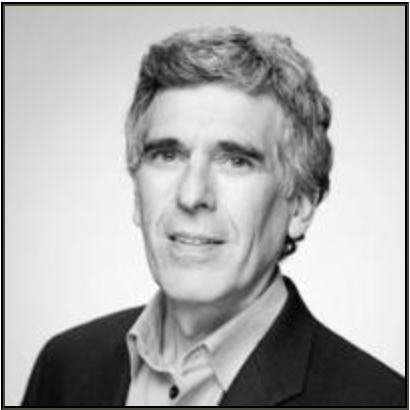
Norman Solomon is the national director of RootsAction.org and executive director of the Institute for Public Accuracy. The paperback edition of his latest book, War Made Invisible: How America Hides the Human Toll of Its Military Machine, includes an afterword about the Gaza war.
ZNetwork is funded solely through the generosity of its readers.
Donate




