


BAGHDAD, Nov 26 (IPS) – The U.S. military has used poison gas and other non-conventional weapons against civilians in Fallujah, eyewitnesses report.
â€Poisonous gases have been used in Fallujah,†35-year-old trader from Fallujah Abu Hammad told IPS. â€They used everything — tanks, artillery, infantry, poison gas. Fallujah has been bombed to the ground.â€
Hammad is from the Julan district of Fallujah where some of the heaviest fighting occurred. Other residents of that area report the use of illegal weapons.
â€They used these weird bombs that put up smoke like a mushroom cloud,†Abu Sabah, another Fallujah refugee from the Julan area told IPS. â€Then small pieces fall from the air with long tails of smoke behind them.â€
He said pieces of these bombs exploded into large fires that burnt the skin even when water was thrown on the burns. Phosphorous weapons as well as napalm are known to cause such effects. â€People suffered so much from these,†he said.
Macabre accounts of killing of civilians are emerging through the cordon U.S. forces are still maintaining around Fallujah.
â€Doctors in Fallujah are reporting to me that there are patients in the hospital there who were forced out by the Americans,†said Mehdi Abdulla, a 33-year-old ambulance driver at a hospital in Baghdad. â€Some doctors there told me they had a major operation going, but the soldiers took the doctors away and left the patient to die.â€
Kassem Mohammed Ahmed who escaped from Fallujah a little over a week ago told IPS he witnessed many atrocities committed by U.S. soldiers in the city.
â€I watched them roll over wounded people in the street with tanks,†he said. â€This happened so many times.â€
Abdul Razaq Ismail who escaped from Fallujah two weeks back said soldiers had used tanks to pull bodies to the soccer stadium to be buried. â€I saw dead bodies on the ground and nobody could bury them because of the American snipers,†he said. â€The Americans were dropping some of the bodies into the Euphrates near Fallujah.â€
Abu Hammad said he saw people attempt to swim across the Euphrates to escape the siege. â€The Americans shot them with rifles from the shore,†he said. â€Even if some of them were holding a white flag or white clothes over their heads to show they are not fighters, they were all shot..â€
Hammad said he had seen elderly women carrying white flags shot by U.S. soldiers. â€Even the wounded people were killed. The Americans made announcements for people to come to one mosque if they wanted to leave Fallujah, and even the people who went there carrying white flags were killed.â€
Another Fallujah resident Khalil (40) told IPS he saw civilians shot as they held up makeshift white flags. â€They shot women and old men in the streets,†he said. â€Then they shot anyone who tried to get their bodies…Fallujah is suffering too much, it is almost gone now.â€
Refugees had moved to another kind of misery now, he said. â€It’s a disaster living here at this camp,†Khalil said. â€We are living like dogs and the kids do not have enough clothes.â€
Spokesman for the Iraqi Red Crescent in Baghdad Abdel Hamid Salim told IPS that none of their relief teams had been allowed into Fallujah, and that the military had said it would be at least two more weeks before any refugees would be allowed back into the city.
â€There is still heavy fighting in Fallujah,†said Salim. â€And the Americans won’t let us in so we can help people.â€
In many camps around Fallujah and throughout Baghdad, refugees are living without enough food, clothing and shelter. Relief groups estimate there are at least 15,000 refugee families in temporary shelters outside Fallujah.

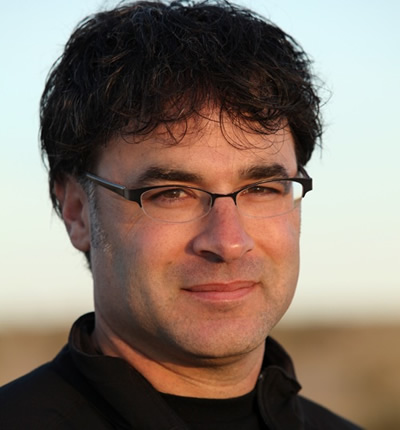
Dahr Jamail is the Baghdad correspondent for The NewStandard. Jamail, a political activist from Anchorage, Alaska, first traveled to Iraq in November 2003 to write about the effects of the US occupation on the Iraqi people. After nine weeks covering Iraq under occupation, he returned to the US and addressed audiences in Alaska and the Northeast about his experience. He has recently returned to Iraq in order to continue reporting on US occupation and privatization. You can view his dispatches and articles at http://newstandardnews.net/iraq.
ZNetwork is funded solely through the generosity of its readers.
Donate




