


Could an agreement opposed by Binyamin Netanyahu, the pro-Israel lobby which bends the US Congress to its will, Iran’s ultra-conservatives and Saudi Arabia be a bad thing? Is Israel really in the best position to give the Iranian regime lessons when it has the bomb, has never signed the nuclear Non-Proliferation Treaty, and has violated more UN resolutions than any other country?
Under the interim six-month agreement concluded on 24 November, Iran will not enrich uranium over 5%, in return for the partial suspension of sanctions. That’s the best news in the region since the Arab Spring.
But the power of the coalition opposing the new deal suggests the reprieve might not last. Already, the main protagonists are each presenting the compromise they have reached as a major concession by the other: Barack Obama claims Iran has given way by halting its military nuclear programme; Tehran says the US has accepted Iran’s right to nuclear enrichment. This battle of conflicting communiqués, less lethal than the other sort of battle, is keeping the hawks on both sides busy: American declarations of victory, immediately broadcast in Iran, get equally belligerent rejoinders, instantly commented on in Washington.
Yet after 30 years of confrontation, direct or through intermediaries, Iran and the US are preparing to normalise relations. The event recalls the historic meeting between US president Richard Nixon and China’s Mao Zedong in February 1972, at the height of the Vietnam war. That transformed the entire geopolitical scene. Economic relations followed. Beijing now finances the US debt and Apple iPhones are made in Shenzhen.
The thaw between Iran and the erstwhile “great Satan” could also help to settle conflicts in Syria and Afghanistan. Eleven years after George W Bush launched his “crusade” against the “axis of evil” (1), Iraq is in ruins, the Middle East is destabilised, Palestine is cut off and a swathe of Africa is plagued by jihadist military actions. But the Israeli government persists in pursuing its own destructive course, aided and abetted by Saudi Arabia and the Sunni Gulf states that want Shia Iran to remain diplomatically isolated and excluded from the oil trade.
Throughout the negotiations with Iran, French president François Hollande and his foreign minister Laurent Fabius dragged their feet, and even tried to prevent a settlement (2). Netanyahu is a lost cause, but at least we can hope that, for the next, delicate, six months, Bush’s ghost won’t spellbind the Elysée.

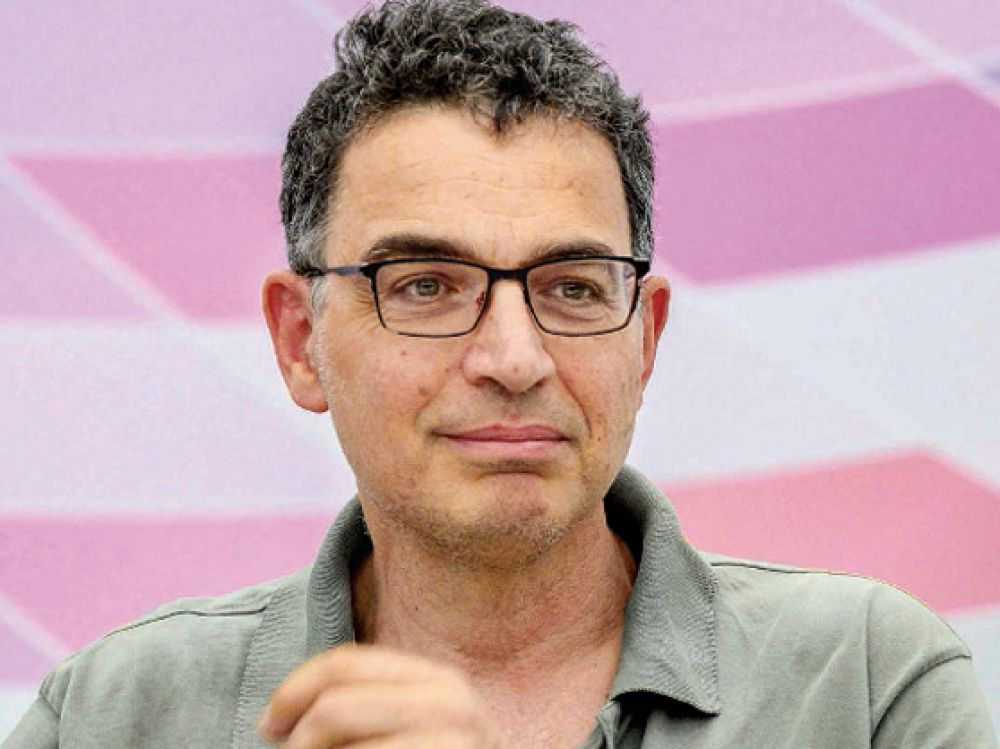
Serge Halimi writes for le Monde diplomatique (www.mondediplo.com) and is the author of Le Grand Bond en Arrière: Comment l'ordre libéral s'est imposé au monde (The Great Leap Backward: How the liberal order was imposed on the world)
ZNetwork is funded solely through the generosity of its readers.
Donate




