

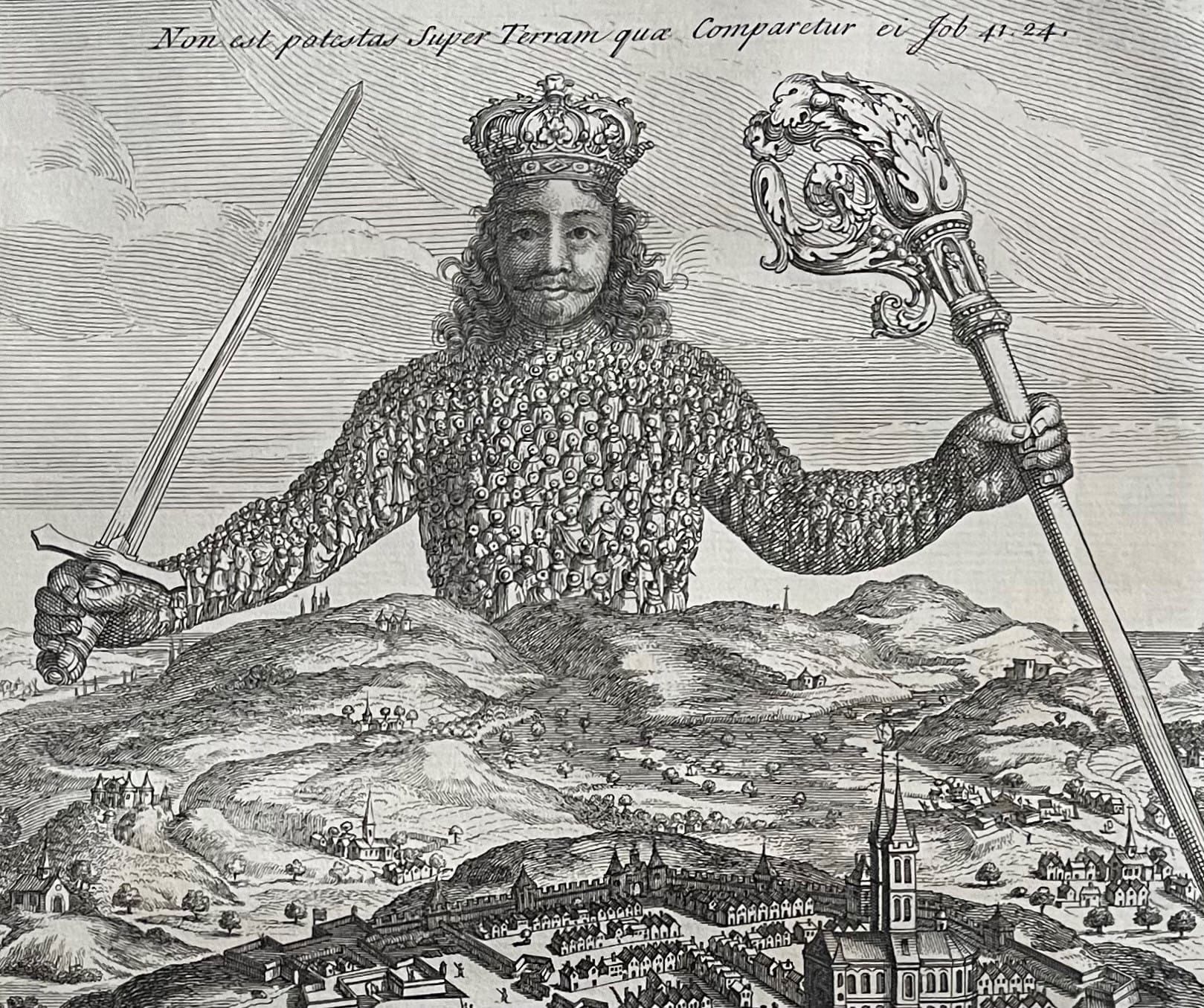
The ideology of the modern state is Hobbesianism – the notion that the state is a rational secular institution whose existence is justified by the use of its monopoly of violence to repress challenges to public order. Without the state, it is argued, life is “solitary, poor, nasty, brutish, and short”. The state then is justified in creating laws that repress threats to this public order.
Whether or not you agree with Hobbes, you have to accept that he makes a robust, if circular, argument. If you accept its terms of reference, it must be right. The devastating critique of Hobbes, however, is not that it is wrong in theory, but that in practice it becomes self-contradictory.
In theory – outside time and space – the “state” is an ideal unified construction that, by definition, exists to protect the state and thereby society. In practice – inside time and space – there is the ultimate “principal-agent” problem – meaning the principal, “the ideal state”, has to enact its agenda through historically existing agents – meaning the class that controls the state.
The logic crashes in on itself, in historical moments, when the agents of the state engage in activities that undermine that state – what is called “the state of exception”.
I would suggest there are two forms of this state of exception – the “classical” and the “endtimes”. The classical exceptions are the moments in history when the agents of the state engage in activities which undermine their own particular state – for instance, by refusing to fund the state to undertake its order-enforcing functions (as before the French Revolution), by failing to make peace with an invading foreign state which cannot be defeated (as before the Russian Revolution), or by enacting the interests of a foreign state before its own (as in the case of Vichy France, and arguably, in the present context, with regard to Israel). This state of exception is the motor that drives the collapse and reformation of states – it is what history is.

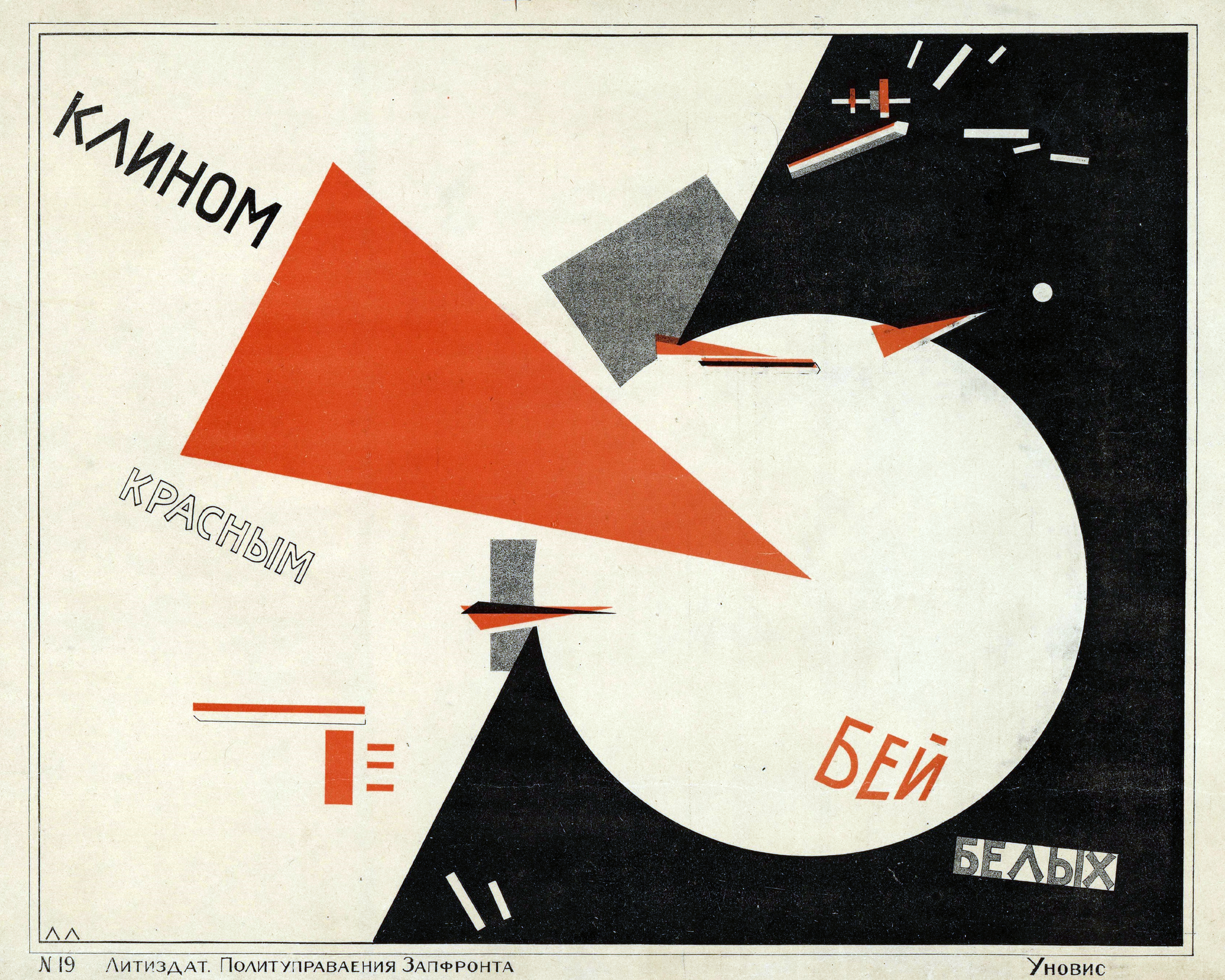
There is, however, another state of exception which has only become possible in human history since 1945 – namely when the agents of the state engage in dysfunctional behaviour that leads not only to the destruction of a particular state but to all states – an end to civilisation and the end of the human race itself – meaning extinction. With the prospect of nuclear war since 1945, the conventional Hobbesian response has been that having nuclear weapons creates an idealised notion of “deterrence”, but given such a strategy does not have an absolute guarantee to always work within time and space – ie in practice, then logically, from a more robust Hobbesian point of view, it is only a matter of time before deterrence fails and human extinction takes place.
With the destruction of the biosphere due to state agents allowing the continued emission of carbon, extinction is now objectively the default – a revolution against these agents is the only option to prevent the destruction not only of a particular state but of all states – the destruction of history itself. Hence the label “endtimes”.
The Hobbesian logic then twists round onto itself. The Hobbesian logic of the state turns into the Hobbesian logic of revolution to remove the dysfunctional agents of a state in order to create a new functional state – a state that does what Hobbes’s ideal of the state should do – create and maintain order, not create chaos and, in our context, extinction.

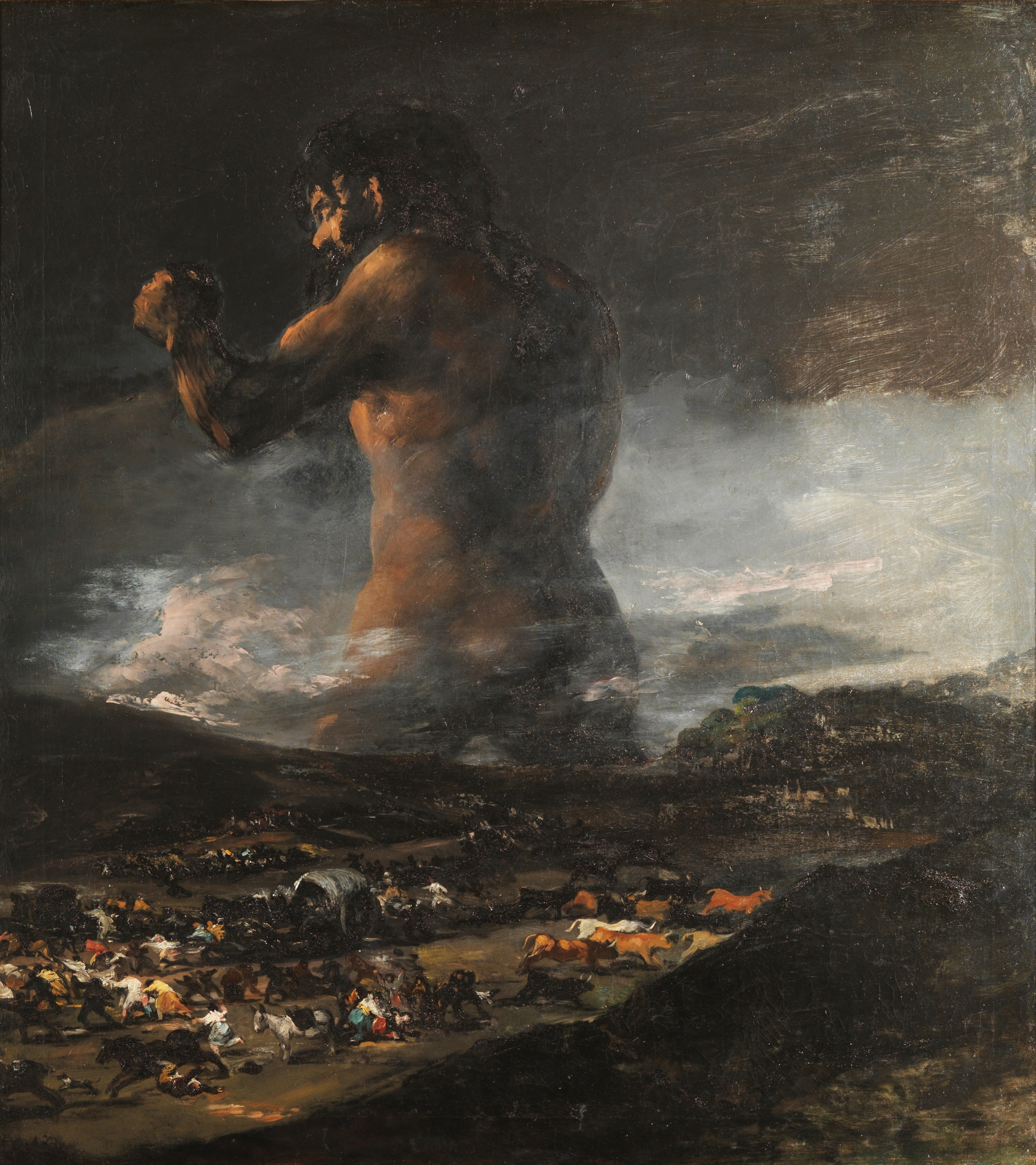
The final twist in the tale here is the paradox that the dysfunctional state, controlled by a treasonous agent class, is most powerfully protected not by its monopoly of violence – its police and security forces – but by the liberal class that refuses to engage in a revolutionary Hobbesian analysis. Instead it maintains the fiction that there is no “exception” and as such the agents of the state merely require “reform”. These liberal forces – lawyers, journalists, politicians, social movement and union leaders – repress the revolutionary forces within the political opposition and so should be understood as “the controlled opposition”.
This is not an ideological analysis but simply one of strategic intelligence – being honest enough to understand when a state of exception objectively exists. When Martin Luther King said in his time that the greatest block to change was the “white moderates”, he was simply stating what was observationally obvious.
I leave it to the honest reader to identify the “white moderates” of our present historical moment.
ZNetwork is funded solely through the generosity of its readers.
Donate
