

The Trump administration is tightening the noose around Cuba.
In late January, the White House signed a new executive order escalating the siege — authorising sanctions, interdictions, and tariffs on any country that supplies the island with fuel. Washington calls it “maximum pressure.” In practice, it means oil tankers seized at sea, flights cut, financial channels frozen.
Fuel imports stall offshore. Airports run dry. Hospitals ration power. Buses idle in their depots.
Across the island, everyday life is being forced into reverse: cancelled routes, darkened clinics, empty pharmacies, families counting litres of petrol and hours of light.
This is what collective punishment looks like.
And when governments enforce suffering as policy, solidarity becomes a duty.
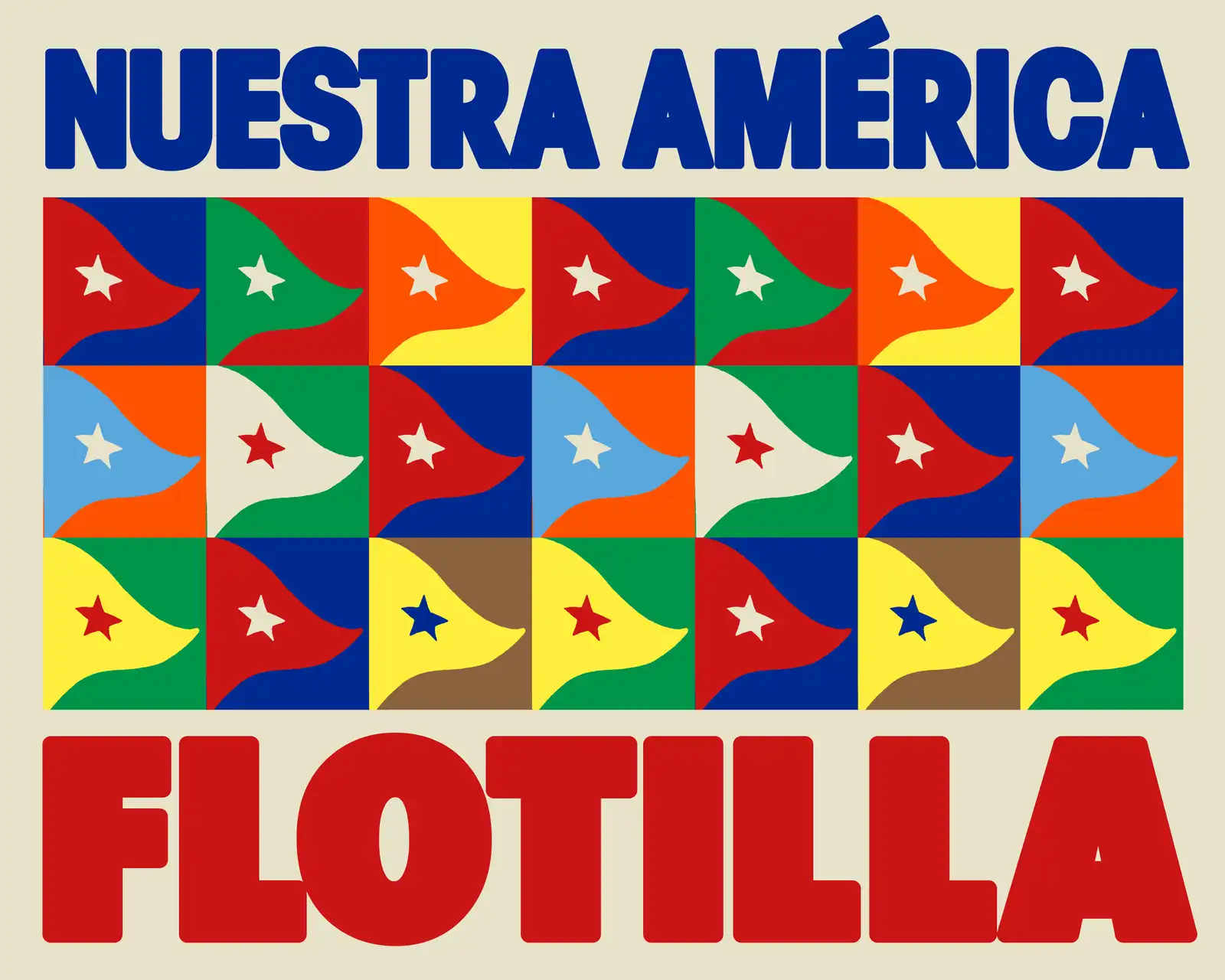
So this week an international coalition of movements, trade unions, and grassroots organisations announced the Nuestra América Flotilla — a seaborne mission carrying food, medicine, and essential supplies across the Caribbean to the Cuban people.
One of the organisers who took part in last year’s flotilla to Gaza, David Adler, said: “When governments enforce collective punishment, ordinary people have a responsibility to act — break the siege, bring food and medicine, and show that solidarity can cross any border or sea.”
Across the hemisphere, others supporting the Flotilla are saying the same. Colombian Representative María Fernanda Carrascal says it is simple “when a neighbour is denied fuel, medicine, and food, solidarity becomes a duty”. In the United States, Congresswoman Rashida Tlaib has warned that this policy of strangulation “does not speak for the American people.”
The initiative follows the example of the flotillas that challenged the siege of Gaza — citizens refusing to let blockades dictate who eats and who goes without. From Mexico City to Bogotá to Barcelona to Detroit, volunteers are stepping forward to crew vessels, gather supplies, and open new routes of solidarity.
And the response has already struck a chord. Coverage (El Diario, El Pais, Common Dreams, La Jornada, The National, Telesur, Diario Red) has spread around the world. Thousands have written to join the mission. Workers, parliamentarians, and organisers are asking the same question: how do we help this sail?
Because this flotilla will carry more than aid.
It will carry a message: that the Cuban people are not alone — and that collective punishment will meet collective solidarity.
If they build a blockade, we build a flotilla.
ZNetwork is funded solely through the generosity of its readers.
Donate




