


This election clearly represented both a repudiation of Bush but also very intense anger with the environment that has been building in the USA over the last several years. Looking at some of the polling results points to the fact that 36% of the voters saw themselves as explicitly voting against Bush. 41% indicated that corruption was ‘extremely important’ in their voting decisions. 56% of those polled indicated that the USA should withdraw some or all of its forces from Iraq. In that sense, this vote seems to represent the ‘I am fed up’ vote.
Second, the Democrats still do not have a coherent message. While the vote may have largely been inspired by anti-war sentiment (which took some time topercolate) this does not mean that the Democrats have a clear and unified message as to what their program will be vis-a-vis Iraq, US foreign policy, or much else.
Third, the nightmare is not over. It was reported that some European parliamentarians declared that the ‘six year nightmare’ is at end. This is very hopeful. We must keep in mind that certainly with regard to foreign policy, Bush still has his finger on the trigger. This should be understood both literally and figuratively. The Bush administration military threats towards Iran and North Korea are not ending just because of this election. At the same time, this election was certainly a shock to the system, and the Bush administration must assume that it will be under a good deal of scrutiny in both branches of Congress. The resignation/firing of Rumsfield may be the tip of the iceberg in terms of shaking things up.
The nightmare is not over, as well, because the nightmare is not simply a partisan nightmare. The world is suffering not only because of the arrogance of the Bush administration but due to the neo-liberal economic (and environmental) policies that the USA has been articulating since mid-way through the Carter administration in the late 1970s. While it is clear that the Bush administration represents one wing of the ruling elite that has a heavy-handed view toward world affairs, let’s just keep in mind that Clinton’s international policies were not ones that strengthened a democratic international environment (think about the Balkans war, or the near military engagement with North Korea only resolved through the intervention of former President Jimmy Carter).
Fourth, the Republican game of using Black faces to advance their agendas is not over. In Maryland, the Michael Steele candidacy was very effective in playing into discontent with the Maryland Democratic Party and the desire for Black representation even though the Black vote still went overwhelmingly to Democrat Ben Cardin. We should anticipate that the Republicans will use this black faced destabilizing tactic in the future.
Fifth, ballot initiatives were a mixed bag. While South Dakota voters rejected the draconian anti-abortion initiative, voters in eight states voted to ban gay marriage, though Arizona turned this measure down. In Michigan, an anti-affirmative action measure was passed by the electorate. Clearly so-called wedge issues remain an important factor and one should not assume that the rejection of Bush, et. al., represents a rejection of their total program.
Sixth, and last (for now) the elections point to the absolute need for an independent progressive force that can operate both inside and outside the Democratic Party. People turned to the Democrats out of disgust for the Republicans. This will not be enough to hold them. It will also not be enough to advance a progressive movement (even if the Democrats wanted to do that). Instead, there is a need for a political motion that rebuilds a grassroots organization and program with its eyes set on the transformation of the US political scene. If we do not use this time to build it, we will witness the furtherance of despair and cynicism, rather than hope and defiance.
BC Editorial Board Member Bill Fletcher, Jr. is a long- time labor and international activist and writer. He is the immediate past president of TransAfrica Forum. He can be reached at papaq54@hotmail.com.

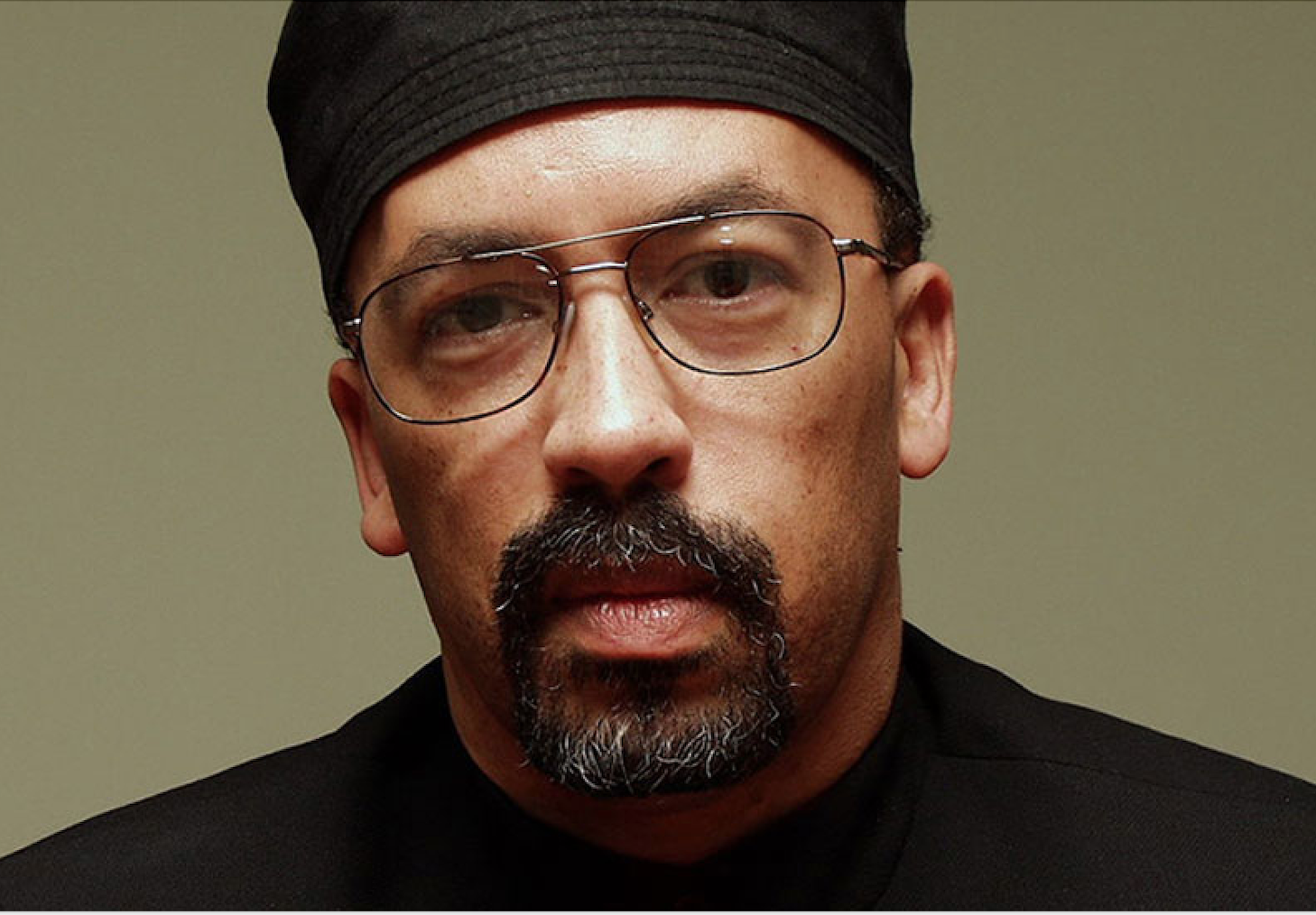
Bill Fletcher Jr (born 1954) has been an activist since his teen years. Upon graduating from college he went to work as a welder in a shipyard, thereby entering the labor movement. Over the years he has been active in workplace and community struggles as well as electoral campaigns. He has worked for several labor unions in addition to serving as a senior staffperson in the national AFL-CIO. Fletcher is the former president of TransAfrica Forum; a Senior Scholar with the Institute for Policy Studies; and in the leadership of several other projects. Fletcher is the co-author (with Peter Agard) of “The Indispensable Ally: Black Workers and the Formation of the Congress of Industrial Organizations, 1934-1941”; the co-author (with Dr. Fernando Gapasin) of “Solidarity Divided: The crisis in organized labor and a new path toward social justice“; and the author of “‘They’re Bankrupting Us’ – And Twenty other myths about unions.” Fletcher is a syndicated columnist and a regular media commentator on television, radio and the Web.
ZNetwork is funded solely through the generosity of its readers.
Donate




