

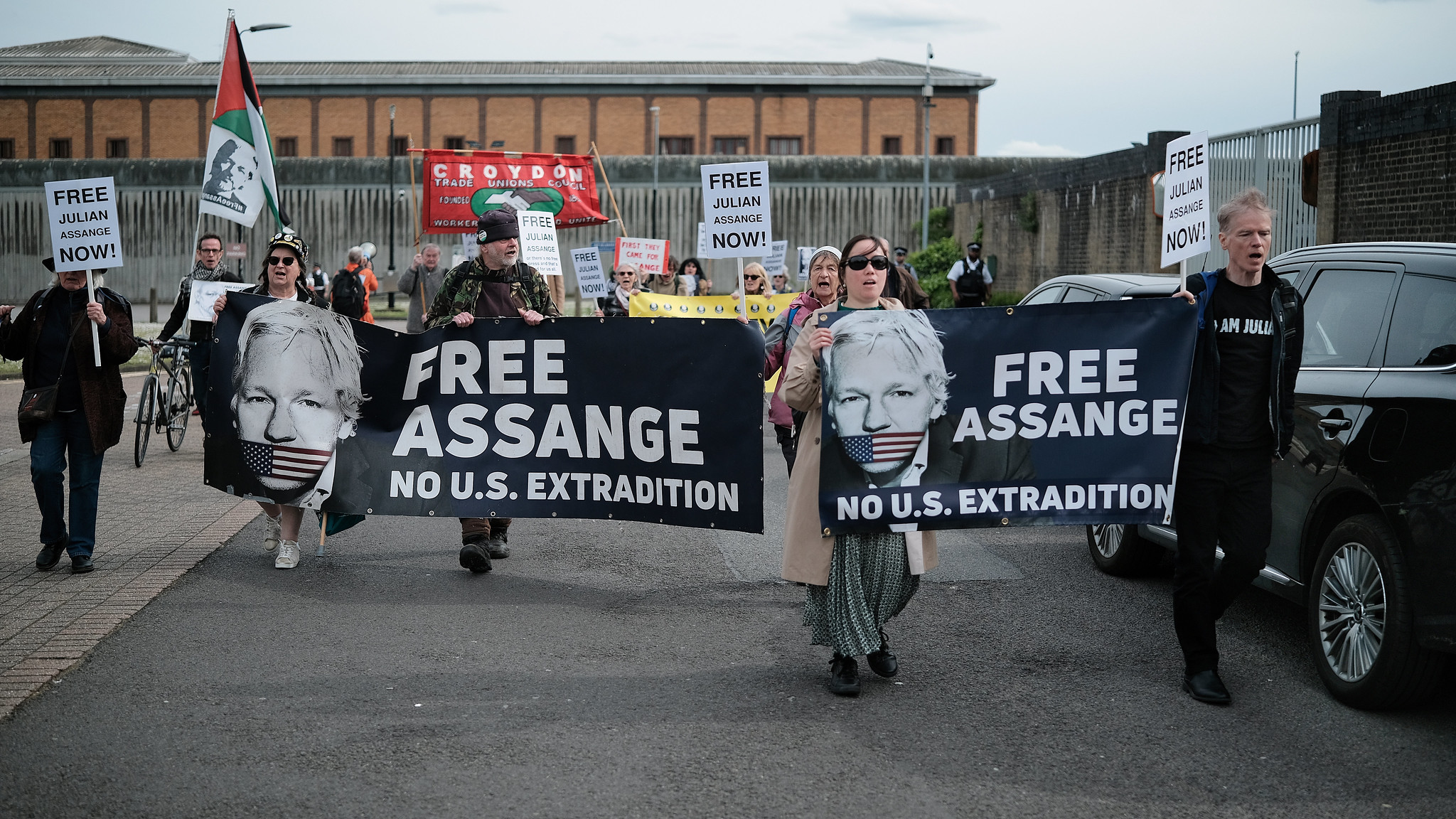
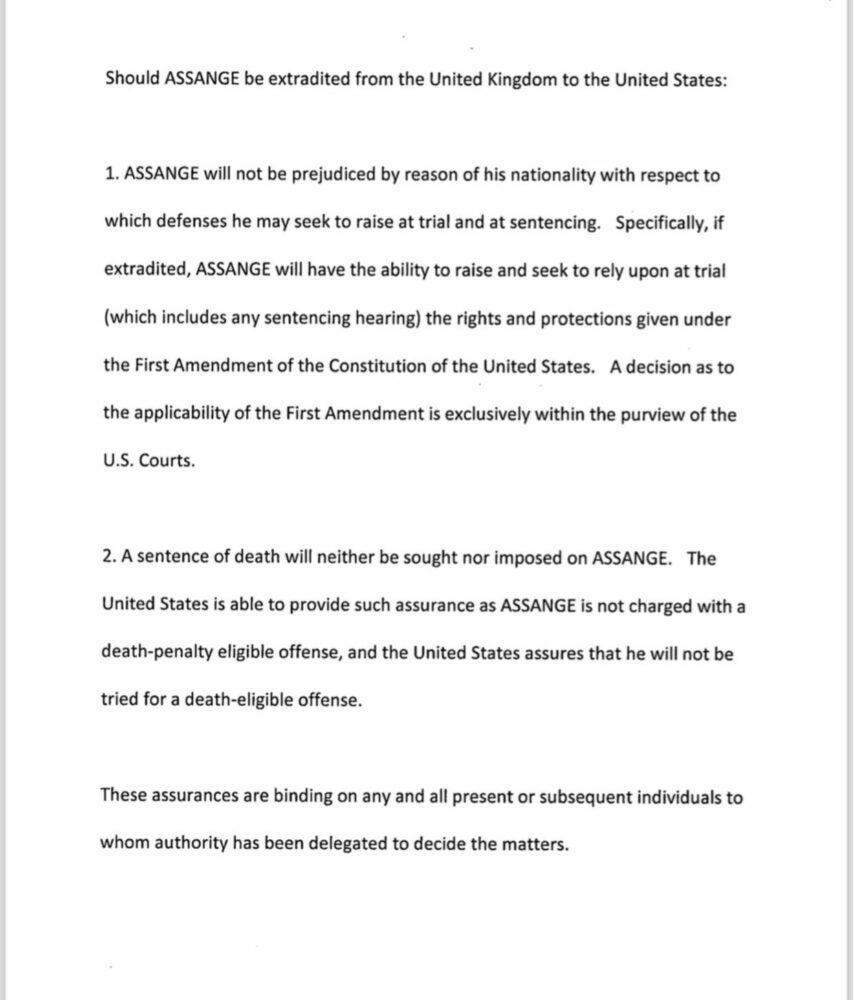
The United States has now, on the face of it, produced the Diplomatic Note giving the two assurances required by the High Court to allow the extradition of Julian Assange to proceed. The assurance that Julian Assange will be allowed to rely on the First Amendment in his defence is a blatantly weak piece of sophistry.
You can read my analysis on the High Court judgment of Assange’s right to an appeal here.
Let me dispense with the assurance against the death penalty. I am sure it will be accepted by the court. The USA does not need to execute Julian, it can incarcerate him in a tiny concrete tomb for life, under extreme sensory deprivation, as a terrible half living warning to any journalist who might reveal their crimes.
Should that ever become inconvenient, he can be Epsteined or Seth Riched at any moment. Remember this is a government that plotted to kidnap and/or assassinate him, as pled and not denied in court.
The assurance required on First Amendment protection is being misunderstood by almost everybody reporting it, and the US Diplomatic Note seeks to take advantage of the confusion.
The High Court took the view that the First Amendment provides the same protections as Article X of the European Convention on Human Rights, and therefore Assange’s Convention rights will be protected if he is allowed to plead the First Amendment as a defence before a US court. The court did not ask for an assurance that such a plea would succeed. Article X of the ECHR is itself absolutely shot through with authoritarian national security and other exceptions.
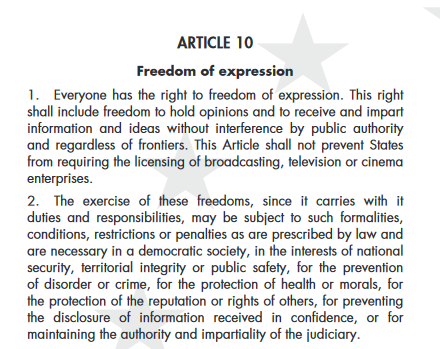

The assurance on which the High Court did insist was that such a plea could not be struck down on the grounds of Assange’s nationality. That would contradict the separate ECHR provision against discrimination by nationality. The US Diplomatic Note has failed genuinely to address this point: but it pretends to do so.
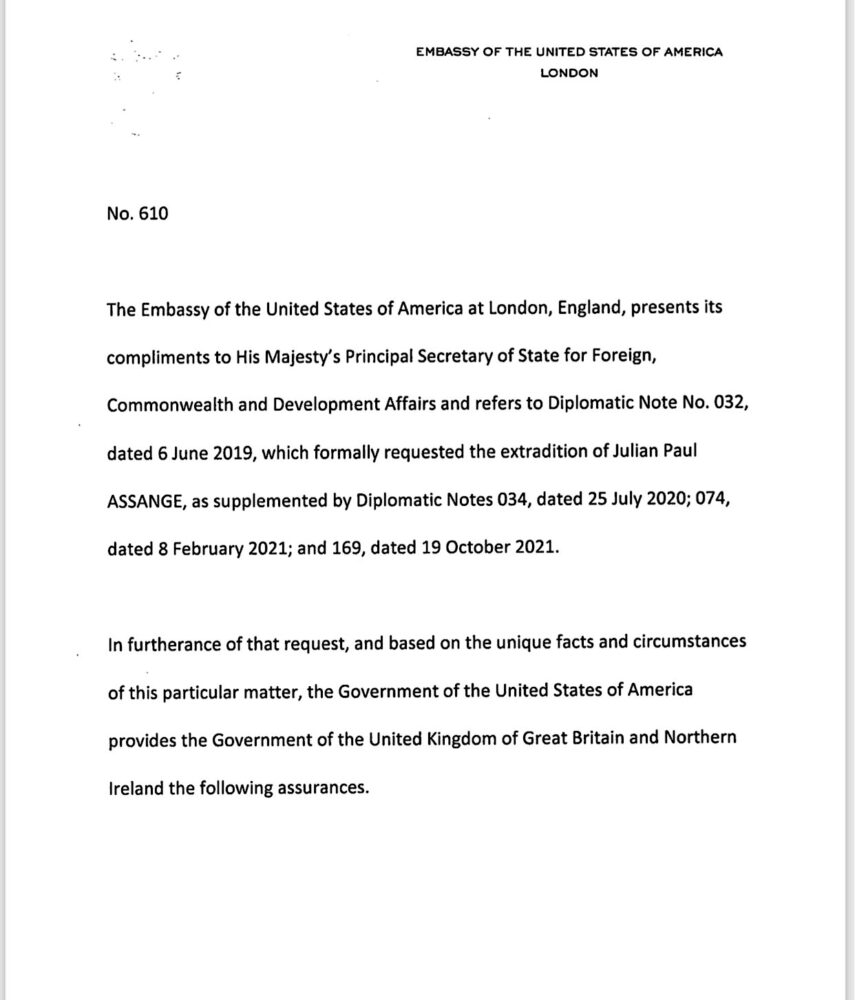


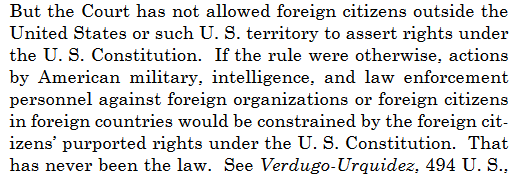
The US prosecutor in an affidavit to the UK court had already stated that Assange may be barred from First Amendment protection because he was a foreign national who had acted abroad. Mike Pompeo had also stated this officially. The principle is plainly articulated by the Supreme Court in the case of USAID vs Open Society:

THE CRUCIAL “SEEK TO”
The United States was therefore simply unable to state that Julian Assange will be able to make a First Amendment defence, because the judge, following the Supreme Court precedent, is almost certainly going to disallow it on grounds of nationality.
The Diplomatic Note therefore states that Assange may seek to raise a First Amendment defence without prohibition on grounds of nationality. This means precisely that his lawyers are permitted to say:
“My client wishes to claim the protection of the First Amendment for freedom of speech”
This is “seeking to raise” it.
The judge will immediately reply:
“The First Amendment does not apply to your client as a foreign national acting abroad, as established by the US Supreme Court in USAid vs Open Society”.
That is consistent with the actual operative phrase in the US Diplomatic Note: “A decision as to the applicability of the First Amendment is entirely within the purview of the US Courts”.
On 20 May there will be a hearing to determine whether this non-assurance is adequate to protect Julian Assange from discrimination on grounds of nationality and permit the extradition to proceed.
Now being a reasonable person, you doubtless are thinking that it is impossible that such a flimsy confection of legal sleight of hand could ever be accepted. But if so, dear reader, you have no idea of the corruption of the stool pigeons disguised as British judges.
Who would think that they could have ruled that the UK/US Treaty has legal force to extradite Julian Assange, but that Article IV of the Treaty excluding political offence strangely does not have legal force?
Who would have thought that they could have ruled that the US government spying on his attorney/client legal conferences and seizing his legal papers did not invalidate the proceedings?
Who would have thought they could have ruled that the US government plot to kidnap or murder him is irrelevant, because if he is extradited the US government will have no further need to kidnap or murder him?
I could go on. I shall be very surprised if the High Court judges following the 20 May hearing do not rule that the right to ask not to be discriminated against on grounds of nationality (and be denied) is sufficient protection against discrimination by nationality.
They really are that shameless.
ZNetwork is funded solely through the generosity of its readers.
Donate




