


Devastating floods have hit the southwestern Algerian region of Tindouf, the site of refugee camps of the Saharawi people, exiles from their neighboring homeland of the Western Sahara. Approximately 25,000 people have been affected by the flooding, the result of rains that have overwhelmed all or parts of five major camps. The United Nation’s refugee agency, the UNHCR, has been taking the lead in directing humanitarian assistance to the thousands of families affected by the disaster.
Many of us are becoming accustomed to hearing about this or that natural disaster. As the environmental crisis increases—short of a dramatic turnaround in our approach to the environment—we should expect more such disturbing news. Yet so-called natural disasters cannot be looked at in isolation. The additional question that we should always be asking is this: what are the other contributing factors that help us to understand the scope, scale and relative devastation from a natural occurrence? In this case the answer is fairly straight forward: the occupation of most of Western Sahara by the Moroccan government.
In one minute and a half we tell the story of the floods in the Saharawi refugee camps https://www.youtube.com/watch?v=kLdVOm7Ac-g … #WesternSahara @Rasd_tv_es

Western Sahara, on the northwestern coast of Africa, was colonized by Spain and held under their thumb until 1975. In a violation of international law, the Spanish irresponsibly withdrew from Western Sahara (at that time called the Spanish Sahara), not as a process of respecting self-determination for the native population — the Saharawis — but, instead, turning the country over to the Moroccans and the Mauritanians. Both Morocco and Mauritania had laid claim to the territory.
The indigenous population, led by a national liberation front known by its acronym, Polisario [the Spanish translation of Popular Front for Liberation of Saguia el-Hamra and Rio de Oro], which had fought the Spanish, drove out the Mauritanians but was unable to stop the Moroccans. The Moroccan government mobilized thousands of its citizens to carry out a literal march into the Western Sahara in order to claim land, reminiscent for those familiar with U.S. history, of the land grabs in Oklahoma by white settlers, despite the fact that it was supposed to have been Indian territory.
The war between Polisario and the Moroccan government came to an unhealthy halt in 1991 when an agreement was reached for a ceasefire. Yet this halt was “unhealthy” insofar as the Moroccan government refused to take any steps towards recognizing national self-determination on the part of the Saharawis. Every effort to broker a final agreement has been undermined by the Moroccan government, for which they have had to pay no price. The Saharawis, on the other hand, have had to face the continued occupation of their land and the forced exile of most of their population.
This unhealthy cease-fire has now lasted nearly 25 years and the Saharawis are no closer to national self-determination than they were in 1991. Yet, with the active support of the French government and the implicit support of repeated U.S. administrations, the Moroccan government feels little to no pressure to reconsider its position. Instead it defames Polisario, suggesting that they are a terrorist organization, and blocks efforts of various third parties to bring about a just and peaceful resolution to this conflict.
Twenty-five years is a long time to await a conflict’s resolution, particularly when you have been playing by the rules and the other side has not. An entire generation, much as in the case of the Palestinians, has grown up in exile and does not know their own homeland. Though Polisario continues to have the support of the majority of the Saharawis, it is clear that the population is restive. There is little question that the October 2015 floods further exacerbate the situation, including the stresses felt by the Saharawis about their unresolved national aspirations.
Though little attention has been focused upon the Saharawis, whether with respect to their national demands against the Moroccans or their most recent devastating floods, the failure of the so-called international community to insist about Moroccan compliance with the right of national self-determination for the Saharawis increases the chances that this conflict will once again flair up into a situation of armed action. And, in a situation where there are other armed players in the region, e.g., al-Qaida of the Maghreb, there is always the possibility that the conflict will spread like ripples on the water.
Certain things are nearly obvious. The Moroccans would be unable to sustain this occupation without the support of France. And the occupation would also not continue were it not for U.S. support for the Moroccan monarchy and the willingness of one U.S. administration after another to turn a relative blind eye to the occupation. The silence of the USA toward the Moroccan occupation is deafening.
Actually, I am mistaken. If you listen carefully you can hear the cries of the Saharawis in the face of the flooding, the refugee camps, and the contempt with which the Moroccan government holds their people.
This situation simply cannot last.
Watch Bill Fletcher Junior’s teleSUR show, “The Global African,” here.

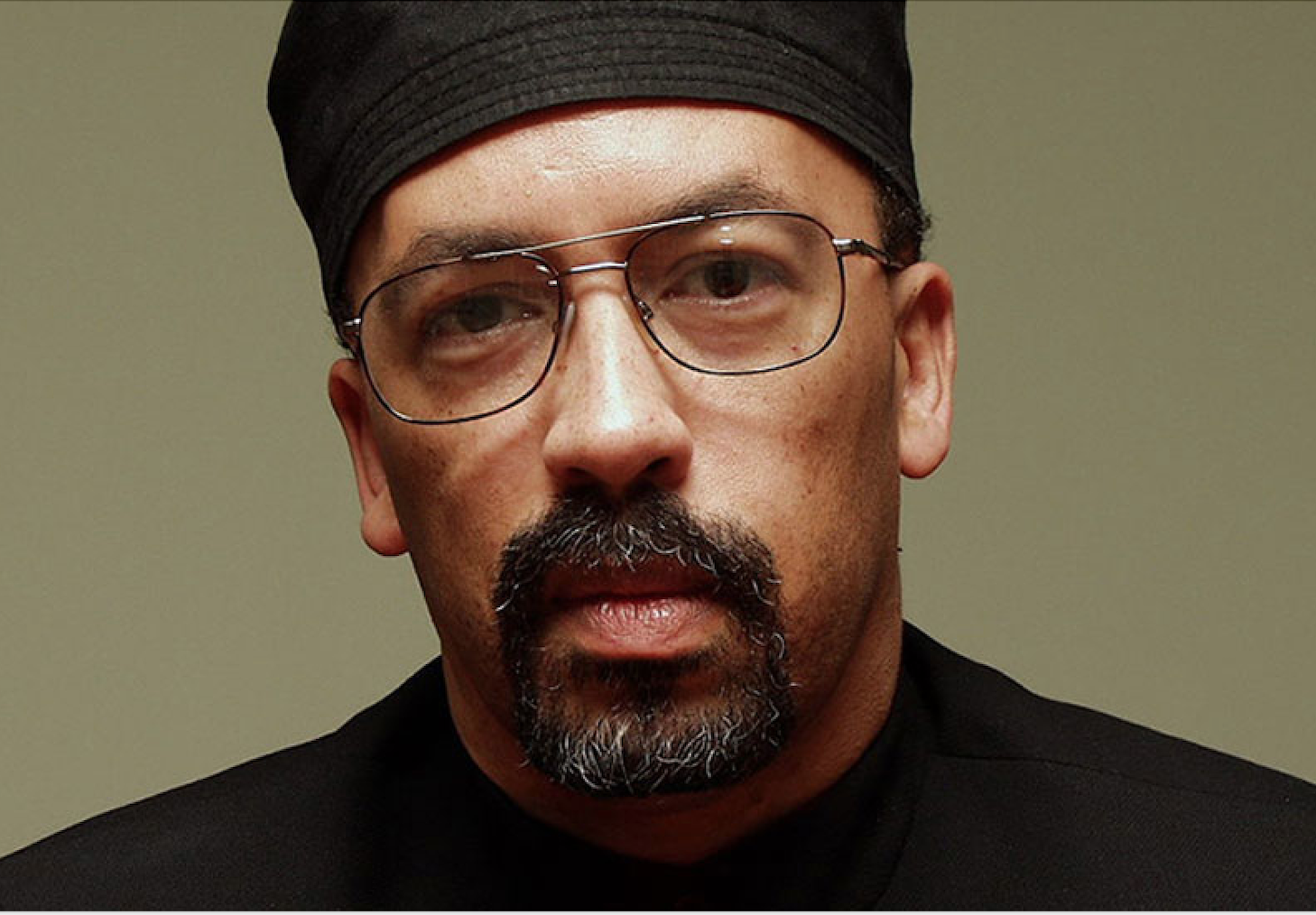
Bill Fletcher Jr (born 1954) has been an activist since his teen years. Upon graduating from college he went to work as a welder in a shipyard, thereby entering the labor movement. Over the years he has been active in workplace and community struggles as well as electoral campaigns. He has worked for several labor unions in addition to serving as a senior staffperson in the national AFL-CIO. Fletcher is the former president of TransAfrica Forum; a Senior Scholar with the Institute for Policy Studies; and in the leadership of several other projects. Fletcher is the co-author (with Peter Agard) of “The Indispensable Ally: Black Workers and the Formation of the Congress of Industrial Organizations, 1934-1941”; the co-author (with Dr. Fernando Gapasin) of “Solidarity Divided: The crisis in organized labor and a new path toward social justice“; and the author of “‘They’re Bankrupting Us’ – And Twenty other myths about unions.” Fletcher is a syndicated columnist and a regular media commentator on television, radio and the Web.
ZNetwork is funded solely through the generosity of its readers.
Donate




