


It turns out that canvassing during snow storms is the perfect time to do it. Almost everyone is home! Just after a recent blizzard in Boston, I went out with a team of about 30 other canvassers from City Life/Vida Urbana. We knocked on doors in blighted apartment buildings in Roxbury, Dorchester, and Mattapan — all neighborhoods that are slated for the forced displacement of their mostly residents of color in order to make room for wealthier residents.
How does this targeted exiling work? It’s a pretty familiar process. We’ve seen it over and over again in cities throughout the country. Neighbors work to improve their neighborhoods. They fight for better mass transit. They clean up vacant lots and plant gardens. They lobby for support from the city to be first-time homebuyers or to get low-interest loans and grants to renovate their homes. As the neighborhood becomes more desirable, landlords realize they could be making more money. With a coat of paint and an updated kitchen, they could charge double the rent. They start raising rents on long-time tenants as a way to get rid of them. Or they simply give them notice to quit.
Add to this mix, the economic crisis of 2008 and the flood of ensuing foreclosures, and you’ve got a situation where corporate landlords have moved in and snapped up hundreds of cheap properties. They are aiming to do what all corporations do: make money! Why remind ourselves that this is the single-minded pursuit of corporate landlords? Isn’t it an elementary fact of life? It bears repeating because sometimes we forget that people’s homes are a key front in the class war. And it is a war. Often it is well-disguised as business as usual, the status quo, the way things are done. But actually, it is not a given. Or…it doesn’t have to be a given. It’s a choice we make everyday to accept that housing — our homes, our shelter — are mostly provided by a marketplace that cares nothing for our collective well-being.
So before we go off in teams of two to knock on doors and talk to tenants, we remind ourselves about what we’re doing. On the micro level, we are simply getting a conversation started. We will ask people what problems they are experiencing in their homes, and we’ll take notes on what they say. We’ll get the names and numbers of people willing to share them. We’ll invite tenants to an open meeting on Tuesday night where we serve pizza, provide childcare, and have lawyers available to answer legal questions. Most importantly, at this meeting, we aim to connect people with each other. “You can try to fight the landlord by yourself,” we’ll tell them. “But you’ll be stronger and more effective if you join with others.”
On a macro level, we remind ourselves, we are going out to nurture a movement that is strong enough and strategic enough to take a stand in the class war. It might not feel like war. We’re sitting around sipping coffee, after all — divvying up clipboards, passing around maps, getting into teams of two. But this is how you get started.
When you arrive at the first building, there’s no way to get in, so you ring doorbells until someone lets you in. You talk to your first person, and they open their door a crack. After a while, they open it all the way. And pretty soon, they invite you in. They tell you about the rent increases, the faulty utilities, and the rodents. The next guy doesn’t open his door at all, but you shout back and forth to each other through the closed door. “Can I ask you a question?” he says at one point? “Is it okay for the sewage to back up into the bathtub?”
At the next building, the lock on the front door is broken, so you just walk right on in. The carpet on the basement level is soaked, and you tread carefully so as to not splash yourself. Used needles litter the floor. The smell of mold is prevalent. As people warm to your presence, you find out about the black mold growing everywhere, the tenants’ resulting health problems, the broken plumbing, and — on top of all this — the increasing rents.
Some tenants call other tenants in the building and let them know you’ll be coming. When you knock on one door, the man opens it with a warm smile and says, “I’ve been waiting for you.”
Some people don’t want to talk to you, but most do. Even the guy who’s babysitting for his niece and doesn’t live in the building wants more information so he can take it back to his building. When you tell them about how City Life/Vida Urbana has experience organizing tenants’ unions, and you’ve seen how this can be an effective way to get the landlord to respond to tenants’ concerns, you sometimes see a change come over the person. “I didn’t know you could do that,” they’ll say. “I’ve been so stressed trying to fight him all by myself.”
The next step after knocking on the door and having the conversation is inviting people to a meeting. This is important because this is where the tenant joins with others. This is where she realizes she is not alone. This is where she discovers the tactic of setting up tenants’ unions and demanding that the landlord negotiate with them as a group. This is where she participates in debates about other tactics — such as fighting for just-cause eviction laws and rent control ordinances.
This is where she finds out that the fight is both personal and not personal at all. It’s personal because she is fighting for her home. It’s not personal because it’s not about her. The system is just working the way it’s supposed to work. Landlords collect whatever rents the market will bear. As the housing market booms, the real estate market is like an impersonal machine that dismantles communities and rides roughshod over families in order to make room for more profit. If you get caught up in that, it’s not your personal fault. You didn’t fail. The system chewed you up and spit you out. It doesn’t care where you land.
Our organizing might start with the clipboards and the door-knocking and those first conversations, but it doesn’t end there. Even if we start to stack up some short-term wins, such as tenants’ unions in multiple buildings or rent control in the city, it doesn’t end there either (though those would be fantastic victories). Our organizing must provide the beginnings of a bridge that is long enough and solid enough to carry all of us participants to the macro-level fight, which is not just class war. The war also specifically targets people of color, women, and many more. We must notice how these wars are fought, and we must craft a defense and, someday, an offense. The owners certainly well understand how class war is fought, and they have been enjoying a long period on offense. They work everyday not just to amass their properties and their wealth, but to advocate for laws that fortify their position and to support a media that blames individuals for not getting ahead and to build up a culture that makes people of color and women second class citizens. How did it come to be that corporate landlords who snap up cheap housing due to others’ misfortune and then rent it back out at exorbitant prices are considered entrepreneurial while individuals who fall behind on the rent due to lay-offs or big medical expenses are considered failures? That is a framing that did not happen by accident. The mainstream media and popular culture ply us with that framing 24/7.
On a macro level, then, our organizing has to address this framing. We have to make time to investigate how capitalism works, how racism divides us and targets certain groups, how sexism means that women (usually women of color) end up shouldering most of the consequences of these unfair practices. We need strategies that bring people together for collective action, and then we need actions that will result in short-term reforms and long-term systemic change.
For the landlords, housing is a source of profit. And tenants are pawns in their money-making scheme.
For the people in the houses, the house is a home. It is where we love each other, struggle with each other, raise our children, and build community. It is where we cook our meals, pursue leisure, and rest and regroup after working untold hours to make the monthly rent.
The home is where we live our lives. Unfortunately, it is also a key place where we have to fight for our lives. It’s one of the fronts in the class war, and you can join the fight. You will feel discouraged at times. It’s not easy going up against the way things are. But you will witness transformation and empowerment, and you will be transformed and empowered yourself. You will find yourself seeking out this sacred community of change-makers. And you may have a whole different opinion about blizzards! People are often home during blizzards, so you can talk to them, and that’s a key first step for those of us mobilizing our side in the class war.

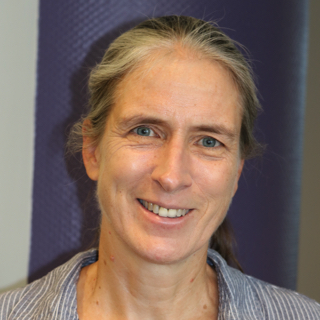
Cynthia Peters is the editor of The Change Agent magazine, an adult education teacher, and a nationally known professional development provider. She creates social-justice-oriented materials that feature student voices, along with standards-aligned, classroom-ready activities that teach basic skills and civic engagement. As a professional development provider, Cynthia supports teachers to apply evidence-based strategies to improve student persistence and develop curriculum and program norms that promote racial equity. Cynthia has a BA in social thought and political economy from UMass/Amherst. She is a long-time editor, writer, and community organizer in Boston.
ZNetwork is funded solely through the generosity of its readers.
Donate





1 Comment
Brilliant organizing and a great report. Alot of people talk trash about revolution. City Life/Vida Urbana are making it.
Solidarity!