


Obama is definitely a great and compelling speaker, certainly by mainstream political standards. But that is not what I was pondering in listening to the Inaugural Address on January 21st. Rather, what struck me was that this was both a proclamation of the existence of a bloc of forces in this country that made it possible for him to win re-election, and at the same time, it was an unusual call to action.
Listening to Obama, he named names. He spoke of different segments of the population that have been historically oppressed and marginalized. African Americans, immigrants, women, LGBTQ, etc., were all named. He spoke of inequality and the growing gap between the haves and have-nots. He spoke of climate change, as well as the need to end perpetual war. In other words, he spoke about and to those who constitute a bloc for progress in this country.
He also challenged his listeners with what I believe was a call to action, a call to action that includes taking on the irrationalism and anti-governmental fervent of the political Right.
So, it was quite a speech. But what does it mean?
Obama’s speeches have a tendency to confuse the listener, not at the moment, but in the aftermath. On the one hand, he regularly delivers powerful and thoughtful oration that is quite progressive. This takes place while he is also conducting the affairs of government in a manner that runs counter to those words. For those reasons, it is critical that we reiterate that there is Obama-the-individual and Obama-the-administration. The first is interesting, but not so important. The second is of critical importance.
The Obama administration is more than one person. It represents a governing body led by President Obama but not led as if by a Roman emperor. It is something of a hive mind that has various components with their overall objective being to strengthen the dominant role of the USA on the world-scale and to ensure the stability and growth of global capitalism. Obama is not a figurehead but he is equally not an absolute monarch. He, to borrow from Star Trek: First Contact, brings order to chaos. He is the ultimate decision-maker, but in making those decisions, myriad considerations and interests are factored.
For this reason Obama’s Inaugural Address should be understood as very important but not representing a promise of direction. The Address is important in that it publicly recognizes his constituency and also helps his constituency, much of which is the mass base for a progressive bloc in this country, gain awareness of their own existence as being more than just isolated pockets. Such recognition by the President, along with the growing self-recognition, lays the foundation for progressive action that can supersede the limitations of the President.
Yet, because Obama is and has been a corporate liberal and tied to the exigencies of this system, his words cannot be interpreted as a personal commitment to a specific form of action. To put it another way, just because Obama says ‘it’ does not mean that he will act upon ‘it.’ This is what makes the second issue so important: the call to action.
During his first four years, Obama demonstrated that he will do little, short of pressure. The political Right understands this. They also understand that Obama has an irresistible impulse to compromise. They take advantage of that. For that reason, Obama’s words must be used by those on the progressive side of the aisle as a ‘mandate’ for mass action. Irrespective of intent, President Obama has opened up a gateway through which we should march. Liberals and progressives need not wait for further instructions, signs, or signals. They will not be coming. The Inaugural Address is all that was necessary at a mass, mainstream level, to do what Franklin Roosevelt suggested so very long ago: make him do ‘it’!
BlackCommentator.com Editorial Board member and Columnist, Bill Fletcher, Jr., is a Senior Scholar with the Institute for Policy Studies, the immediate past president of TransAfricaForum, and the author of “They’re Bankrupting Us” – And Twenty Other Myths about Unions. He is also the co-author of Solidarity Divided: The Crisis in Organized Labor and a New Path toward Social Justice, which examines the crisis of organized labor in the USA. Click here to contact Mr. Fletcher.

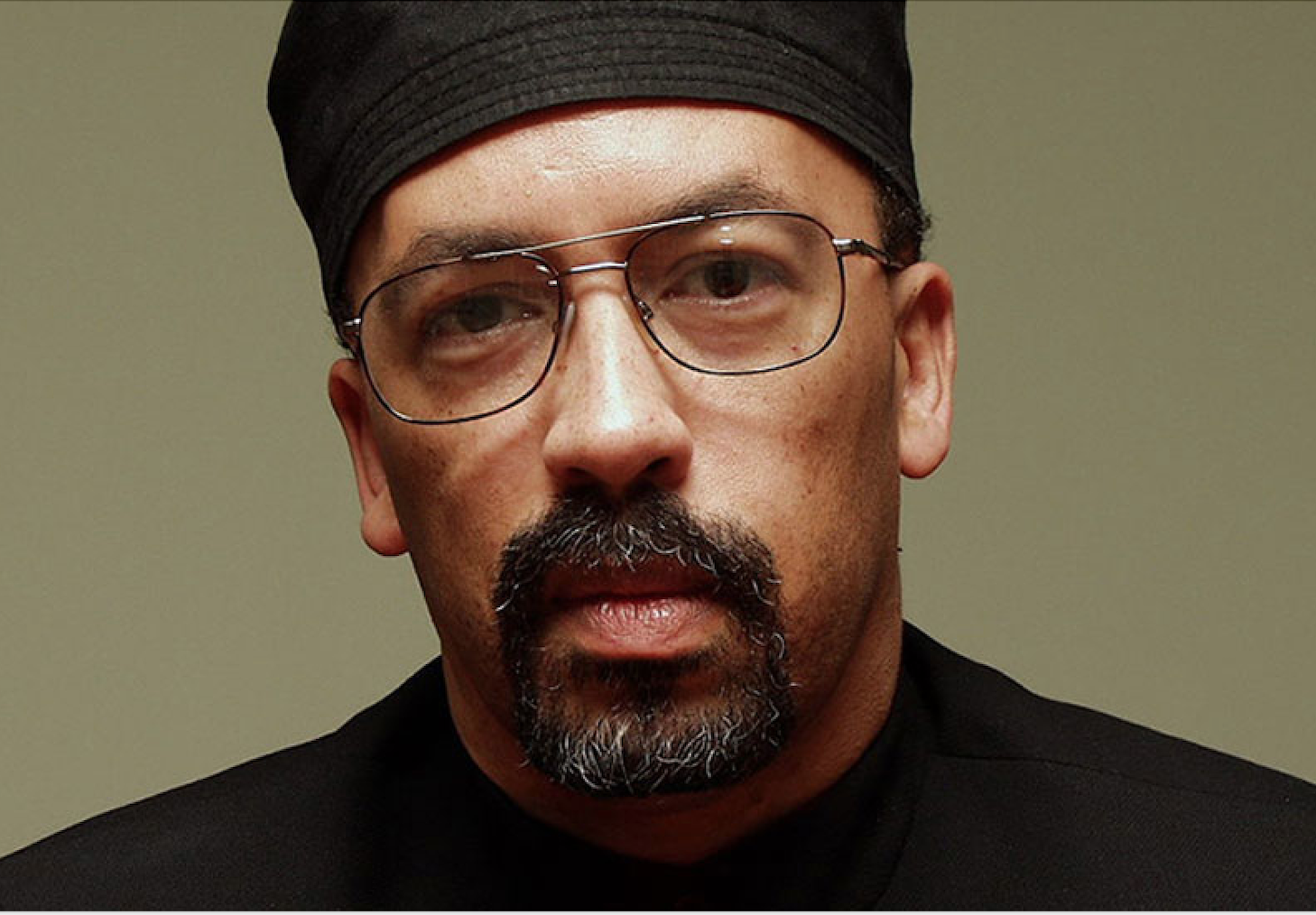
Bill Fletcher Jr (born 1954) has been an activist since his teen years. Upon graduating from college he went to work as a welder in a shipyard, thereby entering the labor movement. Over the years he has been active in workplace and community struggles as well as electoral campaigns. He has worked for several labor unions in addition to serving as a senior staffperson in the national AFL-CIO. Fletcher is the former president of TransAfrica Forum; a Senior Scholar with the Institute for Policy Studies; and in the leadership of several other projects. Fletcher is the co-author (with Peter Agard) of “The Indispensable Ally: Black Workers and the Formation of the Congress of Industrial Organizations, 1934-1941”; the co-author (with Dr. Fernando Gapasin) of “Solidarity Divided: The crisis in organized labor and a new path toward social justice“; and the author of “‘They’re Bankrupting Us’ – And Twenty other myths about unions.” Fletcher is a syndicated columnist and a regular media commentator on television, radio and the Web.
ZNetwork is funded solely through the generosity of its readers.
Donate




