


We appreciate the comradely tone and content of the responses of Peter Olney and Ruth Needleman to our essay, “Fighting Back Against the White Backlash.” Both of them are longtime colleagues, and our agreements are far stronger than our disagreements. In this discussion we find ourselves quite aligned with Ruth on the composition and racial politics of the working class and will not repeat some of her cogent points, but will instead focus on Peter’s observations about white worker voters and proposals for trade union action.
Peter believes we missed the critical role of white worker voters in Trump’s victories in the battleground rust belt states. It’s true that the 77,000 vote victory by Trump in Wisconsin, Michigan and Pennsylvania was so narrow that it can, in fact, be ascribed to any number of factors, though certainly Trump’s gains with white workers was one of the strongest.
Underscoring this point, a piece published subsequent to our essay argued that Trump received 335,000 more votes from whites with incomes less than $50,000 in the five Rust Belt states than did Romney. (http://www.slate.com/articles/news_and_politics/politics/2016/12/the_myth_of_the_rust_belt_revolt.html) That is a big swing and if it continues into the future, we are all in big trouble.
However, that same article also pointed out that Clinton received 1.1 million fewer votes from lower income Rust Belt white voters (less than $50,000 income) than did Obama in 2012—not counting the 335,000 who voted for Trump. In other words, more than one million Rust Belt white voters with incomes of $50,000 or less either voted third party or did not cast a vote for president.
This study underlines our main strategic point: that the main task of those trying to defeat Trump is to fully mobilize the multi-racial Obama coalition whose core is workers of color and to expand from there, as opposed to the proposal that many have floated that our main effort should be to win white workers who voted for Trump by advocating a race-less, gender-less version of left populism.
More generally, the Gallup tracking poll reported that Obama’s approval rating was 56% on the day before the election but Clinton only won 48.2% of the vote. (This was still enough to defeat Trump by almost three million votes.) In fact Clinton underperformed Obama among every sector of the Democratic coalition—Blacks, Latinos, Asians, low-income voters, unmarried women, young voters, trade unionists, Jews, Muslims—save one: LGBTQ voters.
Nonetheless we agree with Peter that one important task is to win the votes (and hearts, minds and bodies) of a much greater percentage of trade union members and workers in general. The national exit poll indicates that a mere 51% of “voters from a union household” (that’s the category it tracks) voted for Clinton, compared to 58% for Obama in 2012 (and pretty much the same since 2000). Even 58% was pretty dismal considering the massive effort the unions made; but 51% is positively scary.
That so few union household voters could reject Trump’s overtly racist and misogynist campaign is powerful testimony to the relative absence of social justice issues in labor organizing heretofore and the crucial importance of transforming this in the future—and to the significance of Peter’s call for unions to undertake a massive internal organizing effort. This effort is key not only to politics, but to the vitality of the labor movement in general.
Finally, Peter calls for unions to coalesce in a Labor for Our Revolution coalition. We strongly agree with the need for labor to assert its independent power in electoral politics and the Democratic Party, and organizing around Our Revolution might well be the best possibility to do so. However unless unions and others are able to strengthen Senator Sanders’ weak understanding of racism and build up his thin support among people of color, the effort may be seriously compromised.

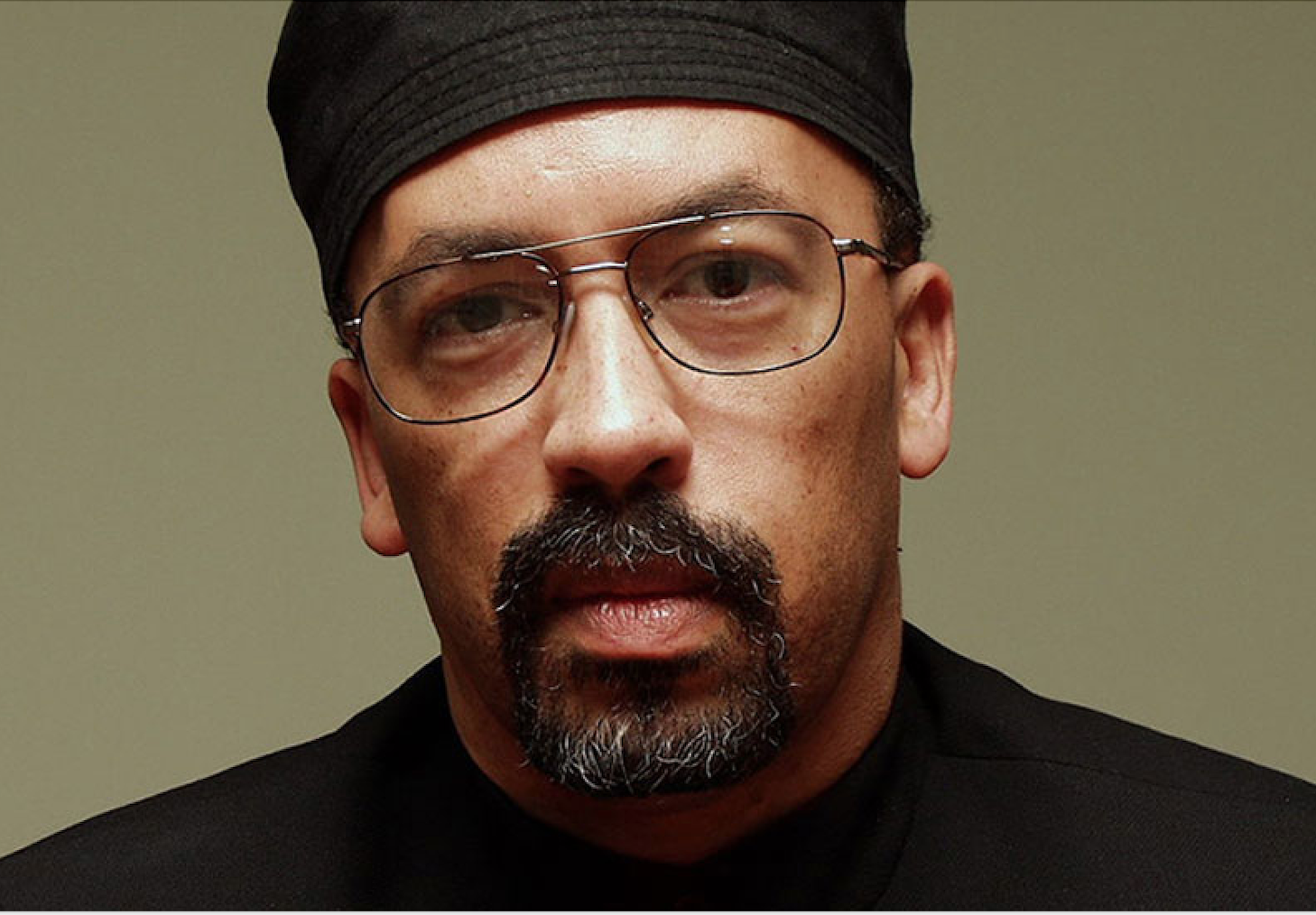
Bill Fletcher Jr (born 1954) has been an activist since his teen years. Upon graduating from college he went to work as a welder in a shipyard, thereby entering the labor movement. Over the years he has been active in workplace and community struggles as well as electoral campaigns. He has worked for several labor unions in addition to serving as a senior staffperson in the national AFL-CIO. Fletcher is the former president of TransAfrica Forum; a Senior Scholar with the Institute for Policy Studies; and in the leadership of several other projects. Fletcher is the co-author (with Peter Agard) of “The Indispensable Ally: Black Workers and the Formation of the Congress of Industrial Organizations, 1934-1941”; the co-author (with Dr. Fernando Gapasin) of “Solidarity Divided: The crisis in organized labor and a new path toward social justice“; and the author of “‘They’re Bankrupting Us’ – And Twenty other myths about unions.” Fletcher is a syndicated columnist and a regular media commentator on television, radio and the Web.

ZNetwork is funded solely through the generosity of its readers.
Donate




