


When President Obama was first elected, in 2008, much of the world waited to see what sorts of changes he would introduce in the relationship of the US towards the rest of the planet. In fact, he was very prematurely awarded the Nobel Peace Prize based on expectations that the US would pull back from wars and bullying. Even skeptical leaders, such as the late President of Venezuela, Hugo Chavez, were prepared to give him the benefit of the doubt.
Despite the hopes and prayers, this administration has done precious little to rebuild ties with countries that were threatened by the Bush administration. Case in point: Venezuela.
The most recent issue, which is highly ironic to say the least, has been the refusal of the Obama administration – at least as of the writing of this commentary – to recognize the results of the recent Venezuelan election. By a slim majority, President Nicolas Maduro won his race for office. The opposition in Venezuela cried foul, as was expected. Yet the Venezuelan elections have not been challenged by independent observers. Rather, there has been a recognition that the election results were close, a phenomenon with which we in the USA should be quite familiar.
What happened next was odd. The USA refused to recognize the results of the election claiming that there was a need for a recount. Now, let’s get this one straight. From the country that in November 2000 had an election that was stolen (Bush v Gore) and where a recount was stopped by the Supreme Court, we have the audacity to demand that another country carry out a recount? In fact, the USA is asking a country that has elections that have consistently been proven to have been clean to conduct a recount?
Despite the fine rhetoric, the Obama administration has continued the tried and true path of most US administrations in treating Latin America as if it is the backyard of the United States. Rather than recognizing the sordid history of the relationship between the USA and Latin America, whereby the US has consistently intervened politically, militarily and economically in the internal affairs of the region, the Obama administration seems to be following a path of more subtle destabilization. It has offered fine rhetoric about better relationships with the rest of the hemisphere. At the same time it has reinforced a traditional US dominationist role. A case in point was the Honduran coup of 2009 where the Obama administration first condemned the coup. This was then followed by US efforts which undermined attempts to return the rightfully elected president to office.
The behavior of the Obama administration gives every Latin American and Caribbean leader pause since, in effect, it suggests that the USA will continue to exert its influence, not through diplomacy but through implied threats. In the case of Venezuela, the failure to recognize the legitimate Venezuelan elections is tantamount to giving the signal that a coup in Venezuela would be a legitimate response.
No more nice speeches, Mr. President. If you want to act like Teddy Roosevelt, let’s be more honest.

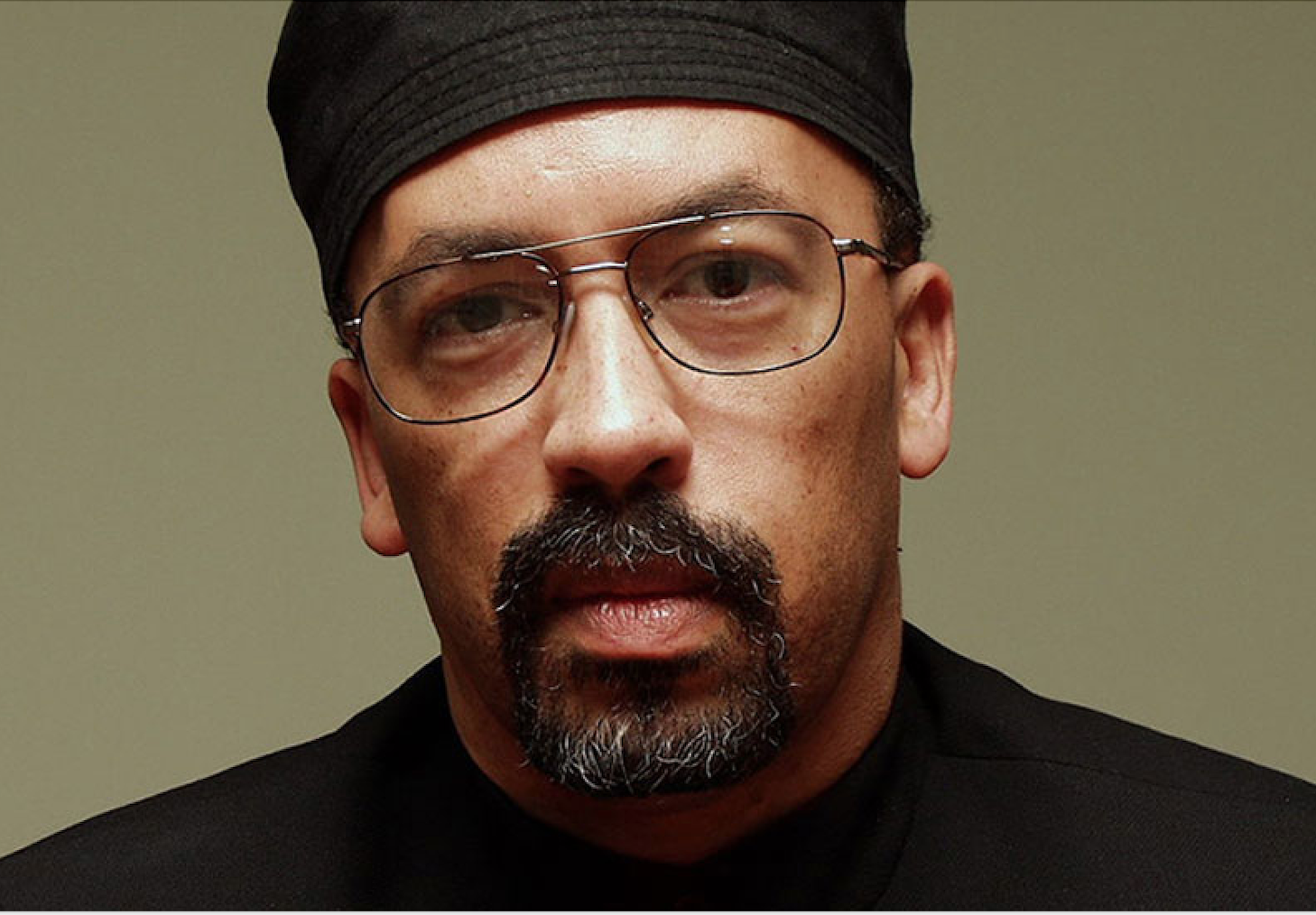
Bill Fletcher Jr (born 1954) has been an activist since his teen years. Upon graduating from college he went to work as a welder in a shipyard, thereby entering the labor movement. Over the years he has been active in workplace and community struggles as well as electoral campaigns. He has worked for several labor unions in addition to serving as a senior staffperson in the national AFL-CIO. Fletcher is the former president of TransAfrica Forum; a Senior Scholar with the Institute for Policy Studies; and in the leadership of several other projects. Fletcher is the co-author (with Peter Agard) of “The Indispensable Ally: Black Workers and the Formation of the Congress of Industrial Organizations, 1934-1941”; the co-author (with Dr. Fernando Gapasin) of “Solidarity Divided: The crisis in organized labor and a new path toward social justice“; and the author of “‘They’re Bankrupting Us’ – And Twenty other myths about unions.” Fletcher is a syndicated columnist and a regular media commentator on television, radio and the Web.
ZNetwork is funded solely through the generosity of its readers.
Donate




