


BAGHDAD, Nov 30 (IPS) – The Iraqi ministry of health is failing to provide enough support to hundreds of thousands who fled Fallujah.
Doctors in Baghdad are perplexed why there has been little or no assistance from the health ministry to residents or refugees.
â€During the Najaf fighting this summer things were not like this,†says Dr. Riad Hussein, a resident surgeon in Baghdad. â€There were mobile operating theatres and plenty of help for them. But for Fallujah they have done next to nothing. Why?â€
The doctor said the decision appeared to be political.. â€The minister of health is a Shia,†he said. â€And I’m not so sure he is motivated to help a Sunni city like Fallujah.â€
Some doctors said a deliberate decision had been taken not to help people in the besieged city.
â€The ministry of health instructed us not to provide aid for Fallujans,†says Dr. Aisha Mohammed from Baghdad. â€But then they have not done anything to help them during the siege, and very little at the refugee camps in Baghdad.â€
Dr. Mohammed said she and several doctors from her hospital had struggled to get supplies from the ministry of health to refugees stranded in camps around Baghdad.
â€Only when we fought them did they allow us to have some supplies,†she told IPS. â€What they eventually let us have after we demanded it, is still not nearly enough for all of the camps. We are in a crisis.â€
Abel Hamid Salim, spokesman for the Iraqi Red Crescent (IRC) in Baghdad told IPS that â€while the MOH (ministry of health) gave their approval to transport aid to the refugees of Fallujah, they had provided the IRC no support of materials.†He said they had no word yet when refugee families will be allowed to return to Fallujah.
Musir Khasem Ali who heads the public relations department of the health ministry says there are more than 400,000 refugees from Fallujah. He was unable to provide any details about how his ministry was assisting the refugees who are now spread all over central Iraq.
Fellow Iraqis rather than the government or even non-governmental organisations are providing most of the aid the refugees need.
The ministry claims to have done the necessary. â€We provided everything the refugees needed,†says Shehab Ahmed Jassim who is in charge of managing the refugee crisis for the ministry of health. â€We sent 20 ambulances to the general hospital in Fallujah.â€
But none of these ambulances actually entered the city area. The Fallujah general hospital remained a no-go zone for people in the city trapped in their homes until very recently.
The refugees meanwhile continue to suffer. â€We are aware that in the camps now there are severe problems of diarrhea, colds, flu and lack of electricity and clean water,†Jassim said.
As children at a refugee camp on the University of Baghdad campus carried plates of rice from the small mosque around which the camp is located into nearby tents, Um Aziz, a mother of five small children said â€even though we don’t have enough of anything, most of what we have is coming from families, with not much from the ministry of health.â€
Another refugee, Mohammed Abdel Shukir, 43, said that â€last night I managed to cover myself with five blankets and I still shivered through the night.†Pointing to the tents around the mosque he said, â€Where can we go when the Americans have bombed our city to the ground?â€
Sheikh Abu Ahmed, another refugee at the camp said that Humvees carrying U.S. soldiers and members of the Iraqi National Guard had come to search their camp for wounded fighters.
â€I told them we had no wounded fighters, but they went tent to tent and took their guns into the mosque,†he said. â€Of course they found no one but they terrorised children and women. Is what they did to our city not enough for them?â€
(c)2004 Dahr Jamail. All images and text are protected by United States and international copyright law. If you would like to reprint Dahr’s Dispatches on the web, you need to include this copyright notice and a prominent link to the DahrJamailIraq.com website. Any other use of images and text including, but not limited to, reproduction, use on another website, copying and printing requires the permission of Dahr Jamail. Of course, feel free to forward Dahr’s dispatches via email.
More writing, photos and commentary at http://dahrjamailiraq.com
You are subscribed to the Dahr Jamail’s email Iraq Dispatches because you requested a subscription at some point.
You can visit http://dahrjamailiraq.com/email_list/ to subscribe or unsubscribe to the email list.

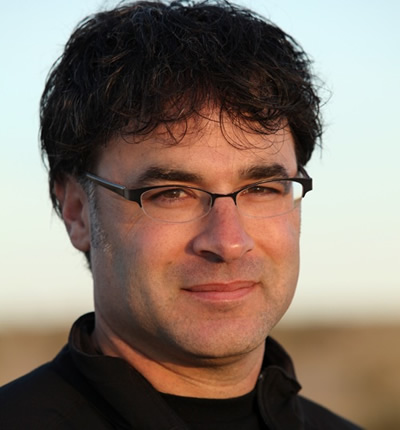
Dahr Jamail is the Baghdad correspondent for The NewStandard. Jamail, a political activist from Anchorage, Alaska, first traveled to Iraq in November 2003 to write about the effects of the US occupation on the Iraqi people. After nine weeks covering Iraq under occupation, he returned to the US and addressed audiences in Alaska and the Northeast about his experience. He has recently returned to Iraq in order to continue reporting on US occupation and privatization. You can view his dispatches and articles at http://newstandardnews.net/iraq.
ZNetwork is funded solely through the generosity of its readers.
Donate




