


Journalists often refer to the Bush administration’s foreign policy as “unilateral†and “preemptive.†Liberal pundits like to complain that a “go-it-alone†approach has isolated the United States from former allies. But the standard American media lexicon has steered clear of a word that would be an apt description of the Bush world view.
Paranoid.
Early symptoms met with tremendous media applause in the immediate aftermath of 9/11. Skepticism from reporters and dissent from pundits were sparse while President Bush quickly declared that governments were either on the side of the USA or “the terrorists.†Since then, the paranoiac scope of the administration’s articulated outlook has broadened while media acceptance has normalized it — to the point that a remarkable new document from the Pentagon is raising few media eyebrows.
Released on March 18 with a definitive title — “The National Defense Strategy of the United States of America†— the document spells out how the Bush administration sees the world. Consider this key statement: “Our strength as a nation state will continue to be challenged by those who employ a strategy of the weak using international fora, judicial processes, and terrorism.â€
A high-ranking Pentagon official, Douglas Feith, offered this explanation to reporters: “There are various actors around the world that are looking to either attack or constrain the United States, and they are going to find creative ways of doing that, that are not the obvious conventional military attacks.†And he added: “We need to think broadly about diplomatic lines of attack, legal lines of attack, technological lines of attack, all kinds of asymmetric warfare that various actors can use to try to constrain, shape our behavior.â€
Translation: They’re after us! And “they†are a varied assortment of individuals, groups, and nations bent on harming us while impeding our efforts to do good and protect ourselves. (The Pentagon document
says: “Our leading position in world affairs will continue to breed unease, a degree of resentment, and resistance.â€) Some want to murder thousands or millions of American civilians, others want the United States to respect human rights and abide by the Geneva Conventions, still others vote the wrong way at the United Nations.
It’s all part of the same basic problem: Bad people are out to get us. Whether destroying the World Trade Center or filing suit at the International Criminal Court, evil ones and their abetters are engaged in sinister efforts. In the words of the Pentagon’s new document, they all “employ a strategy of the weak†against us — the United States — the epitome of the strong.
You might think that such an assertion from the top of the U.S. government — appearing in a major statement of “defense strategy†— would cause a stir if not an uproar. But it has been a fleeting minor story, bypassed by almost every big media outlet after a March 18 dispatch from the Associated Press flagged it with this provocative
lead: “America’s strength is being challenged by ‘a strategy of the weak,’ a Pentagon document says, listing diplomatic and legal challenges in international forums in the same sentence with terrorism.â€
One of the few major U.S. news outlets to report on the Pentagon’s “strategy of the weak†declaration, the Los Angeles Times, merely mentioned it in passing near the end of a back-page article. In contrast, outside the corporate media, Inter Press Service did its usual excellent job of shedding light on the latest twist of Washington’s foreign policy doctrines.
Overall, speaking for the U.S. government, the Bush administration has turned Uncle Sam into the world’s preeminent paranoid, conflating nearly all who oppose him. Actually, make that Him.
Like many who have succumbed to paranoia, the current incarnation of Uncle Sam is apt to invoke God while swearing eternal vengeance against any and every devilish foe. The satanic ones are sneaky all right. They may cloak themselves in all manner of legalistic garb, prattling about human rights and producing other pretexts for trying to stop us because we’re on the side of the angels. But they’re after us — they hate us for our goodness and our purity, they cannot abide the light we bring unto the world. Verily, as the Lord was commenting just the other day, America’s geopolitical agenda is the essence of virtue, and all who wish to impede it must face our wrath…
Of course the United States continues to attract more “enemies,†real and imagined. Paranoids, including ones with a lot of blood on their hands, often vehemently and righteously deny that they’ve earned any valid hostility. On the contrary, all they deserve is gratitude and loyalty.
It remains to be seen when — or whether — mainstream American journalists will rouse themselves and begin to openly assess the paranoid aspects of the Bush administration’s foreign policy. If the new National Defense Strategy isn’t a sufficient wake-up call, what’s it going to take?
_________________________________________
Norman Solomon’s latest book, “War Made Easy: How Presidents and Pundits Keep Spinning Us to Death,†will be published in early summer. His columns and other writings can be found at: www.normansolomon.com

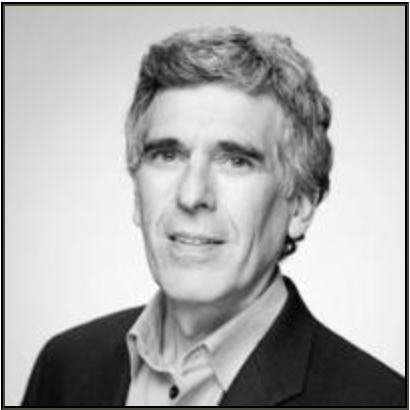
Norman Solomon is the national director of RootsAction.org and executive director of the Institute for Public Accuracy. The paperback edition of his latest book, War Made Invisible: How America Hides the Human Toll of Its Military Machine, includes an afterword about the Gaza war.
ZNetwork is funded solely through the generosity of its readers.
Donate




