


After 17 months observing pacification efforts in Vietnam as a state department official, I laid eyes upon an unmistakable enemy for the first time on New Year’s Day in 1967. I was walking point with three members of a company from the US army’s 25th Division, moving through tall rice, the water over our ankles, when we heard firing close behind us. We spun around, ready to fire. I saw a boy of about 15, wearing nothing but ragged black shorts, crouching and firing an AK-47 at the troops behind us. I could see two others, heads just above the top of the rice, firing as well.
They had lain there, letting us four pass so as to get a better shot at the main body of troops. We couldn’t fire at them, because we would have been firing into our own platoon. But a lot of its fire came back right at us. Dropping to the ground, I watched this kid firing away for 10 seconds, till he disappeared with his buddies into the rice. After a minute the platoon ceased fire in our direction and we got up and moved on.
About an hour later, the same thing happened again; this time I only saw a glimpse of a black jersey through the rice. I was very impressed, not only by their tactics but by their performance.
One thing was clear: these were local boys. They had the advantage of knowing every ditch and dyke, every tree and blade of rice and piece of cover, like it was their own backyard. Because it was their backyard. No doubt (I thought later) that was why they had the nerve to pop up in the midst of a reinforced battalion and fire away with American troops on all sides. They thought they were shooting at trespassers, occupiers, that they had a right to be there and we didn’t. This would have been a good moment to ask myself if they were wrong, and if we had a good enough reason to be in their backyard to be fired at.
Later that afternoon, I turned to the radio man, a wiry African American kid who looked too thin to be lugging his 75lb radio, and asked: “By any chance, do you ever feel like the redcoats?”
Without missing a beat he said, in a drawl: “I’ve been thinking that … all … day.” You couldn’t miss the comparison if you’d gone to grade school in America. Foreign troops far from home, wearing helmets and uniforms and carrying heavy equipment, getting shot at every half-hour by non-uniformed irregulars near their own homes, blending into the local population after each attack.
I can’t help but remember that afternoon as I read about US and British patrols meeting rockets and mines without warning in the cities of Iraq. As we faced ambush after ambush in the countryside, we passed villagers who could have told us we were about to be attacked. Why didn’t they? First, there was a good chance their friends and family members were the ones doing the attacking. Second, we were widely seen by the local population not as allies or protectors – as we preferred to imagine – but as foreign occupiers. Helping us would have been seen as collaboration, unpatriotic. Third, they knew that to collaborate was to be in danger from the resistance, and that the foreigners’ ability to protect them was negligible.
There could not be a more exact parallel between this situation and Iraq. Our troops in Iraq keep walking into attacks in the course of patrols apparently designed to provide “security” for civilians who, mysteriously, do not appear the slightest bit inclined to warn us of these attacks. This situation – as in Vietnam – is a harbinger of endless bloodletting. I believe American and British soldiers will be dying, and killing, in that country as long as they remain there.
As more and more US and British families lose loved ones in Iraq – killed while ostensibly protecting a population that does not appear to want them there – they will begin to ask: “How did we get into this mess, and why are we still in it?” And the answers they find will be disturbingly similar to those the American public found for Vietnam.
I served three US presidents – Kennedy, Johnson and Nixon – who lied repeatedly and blatantly about our reasons for entering Vietnam, and the risks in our staying there. For the past year, I have found myself in the horrifying position of watching history repeat itself. I believe that George Bush and Tony Blair lied – and continue to lie – as blatantly about their reasons for entering Iraq and the prospects for the invasion and occupation as the presidents I served did about Vietnam.
By the time I released to the press in 1971 what became known as the Pentagon Papers – 7,000 pages of top-secret documents demonstrating that virtually everything four American presidents had told the public about our involvement in Vietnam was false – I had known that pattern as an insider for years, and I knew that a fifth president, Richard Nixon, was following in their footsteps. In the fall of 2002, I hoped that officials in Washington and London who knew that our countries were being lied into an illegal, bloody war and occupation would consider doing what I wish I had done in 1964 or 1965, years before I did, before the bombs started to fall: expose these lies, with documents.
I can only admire the more timely, courageous action of Katherine Gun, the GCHQ translator who risked her career and freedom to expose an illegal plan to win official and public support for an illegal war, before that war had started. Her revelation of a classified document urging British intelligence to help the US bug the phones of all the members of the UN security council to manipulate their votes on the war may have been critical in denying the invasion a false cloak of legitimacy. That did not prevent the aggression, but it was reasonable for her to hope that her country would not choose to act as an outlaw, thereby saving lives. She did what she could, in time for it to make a difference, as indeed others should have done, and still can.
I have no doubt that there are thousands of pages of documents in safes in London and Washington right now – the Pentagon Papers of Iraq – whose unauthorised revelation would drastically alter the public discourse on whether we should continue sending our children to die in Iraq. That’s clear from what has already come out through unauthorised disclosures from many anonymous sources and from officials and former officials such as David Kelly and US ambassador Joseph Wilson, who revealed the falsity of reports that Iraq had pursued uranium from Niger, which President Bush none the less cited as endorsed by British intelligence in his state of the union address before the war. Both Downing Street and the White House organised covert pressure to punish these leakers and to deter others, in Dr Kelly’s case with tragic results.
Those who reveal documents on the scale necessary to return foreign policy to democratic control risk prosecution and prison sentences, as Katherine Gun is now facing. I faced 12 felony counts and a possible sentence of 115 years; the charges were dismissed when it was discovered that White House actions aimed at stopping further revelations of administration lying had included criminal actions against me.
Exposing governmental lies carries a heavy personal risk, even in our democracies. But that risk can be worthwhile when a war’s-worth of lives is at stake.
· Daniel Ellsberg is the author of Secrets: a Memoir of Vietnam and the Pentagon Papers.

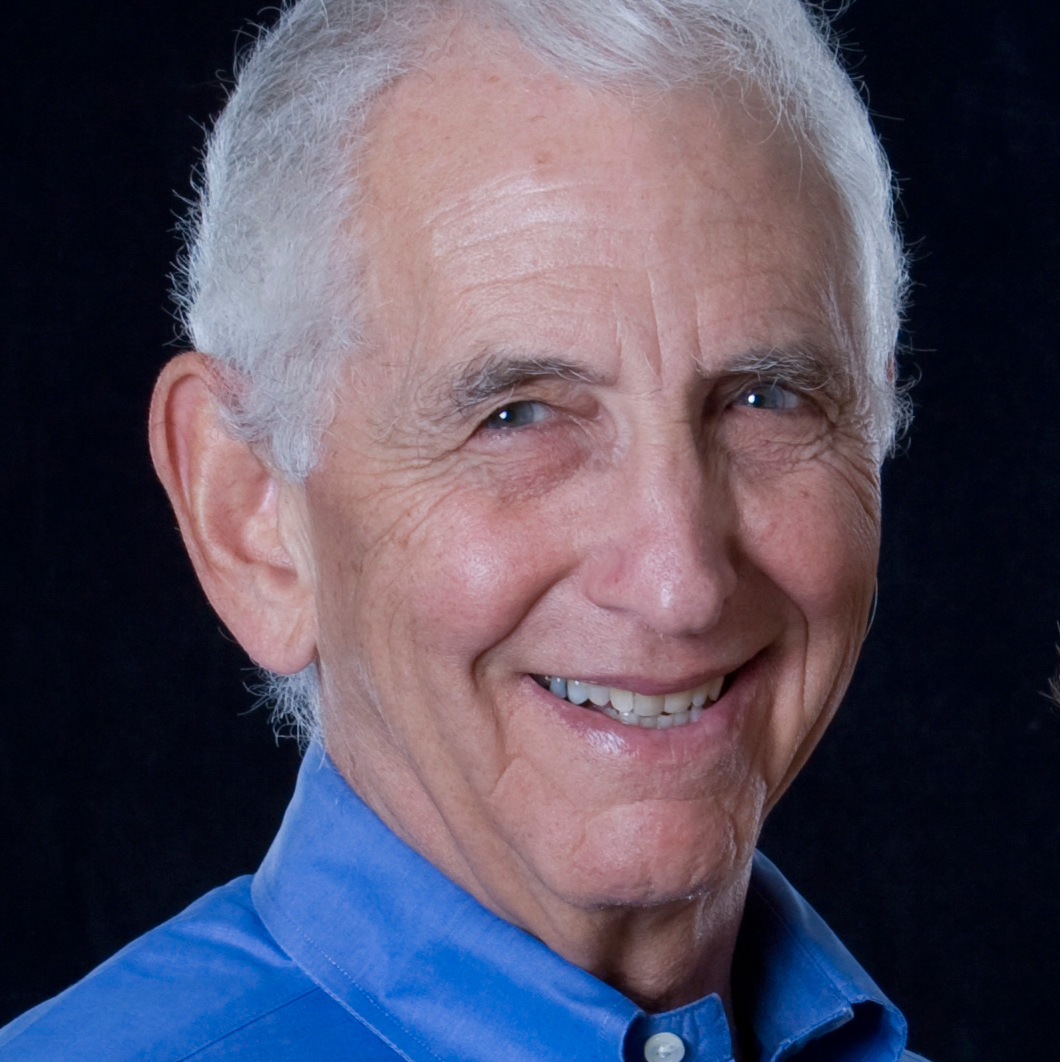
Daniel Ellsberg was born in Chicago in 1931. In 1959, Ellsberg became a strategic analyst at the RAND Corporation and a consultant to the Defense Department and the White House. Ellsberg worked on the top-secret McNamara study, U.S. Decision-making in Vietnam, 1945-68, which later came to be known as the Pentagon Papers. In 1969, he photocopied the 7,000-page study and gave it to the Senate Foreign Relations Committee. In 1971 he gave it to the New York Times, the Washington Post and 17 other newspapers. Since the end of the Vietnam War, Ellsberg has been a lecturer, scholar, writer and activist on the dangers of the nuclear era, wrongful U.S. interventions and the urgent need for patriotic whistleblowing. He was awarded the 2006 Right Livelihood Award in Stockholm, Sweden “…for putting peace and truth first, at considerable personal risk, and dedicating his life to inspiring others to follow his example.” Ellsberg is the author of four books: The Doomsday Machine: Confessions of a Nuclear War Planner (2017); Secrets: A Memoir of Vietnam and the Pentagon Papers (2002); Risk, Ambiguity and Decision (2001); and Papers on the War (1971). He is a Distinguished Research Fellow at the Political Economy Research Institute (PERI) at the University of Massachusetts – Amherst; a Distinguished Researcher at UMass Amherst’s W.E.B. Du Bois Library; and a Senior Fellow of the Nuclear Age Peace Foundation.
ZNetwork is funded solely through the generosity of its readers.
Donate




