


The pain was sudden and excruciating. One moment I was sitting watching television and the next moment I felt pain rising to the point that I could not stand, sit or lie down. Over the next several days the pain lessened but did not entirely go away for more than a week. Having a history of back problems I assumed that I was struck again.
About two weeks later I was awakened by a pain in my groin. It was located in the area where I had had a hernia operation. When I discovered blood in my urine I immediately went to the doctor fearing bladder cancer, an ailment my father faced when he was about my age.
It turned out that it was kidney stones. One was lodged in a place that was causing this pain and blood. I was stunned. I never thought that I would get kidney stones. I assumed that it was something that accompanied poor eating habits. It turned out that I was mistaken. Dehydration is the main cause, though there are other factors that can contribute.
I soon found out that so many people I know either have experienced kidney stones or know someone who had them. In many cases, kidney stones can pass on their own—though it is not pleasant—whereas in other cases, such as my own, an operation was needed.
Yet, what struck me, particularly when I was recovering from surgery and reflecting on what had happened, is the question of why did I know so little about kidney stones? As someone who reads as much as I do and who pays attention to his health, why would this catch me by surprise? I also wondered about what this all meant about healthcare.
There are a few conclusions to which I have arrived over the last few weeks. The first is that as we get older, despite our best hopes, our bodies change. Too many of us do not want to accept that reality. We think that accepting that reality means giving up. To the contrary, accepting that reality means that we must change our behavior, at least if we want to go the length, so to speak. In the case of kidney stones, simple things like the amount of water that we consume each day is a matter to which we must pay attention. We need to drink more water and, as it turns out, have a teaspoon of lemon juice to help to break up the particles that can become a stone.
The second conclusion really hit me. Healthcare in the USA is oriented towards addressing a problem when it occurs rather than preventing its rise. This is no great revelation since many people have been saying this for years. But it became a personal reality for me in the context of the kidney stones. I realized that when I go to the doctor it is to either address a problem that I have or to tell me what I do NOT have. Rarely do I have the opportunity to speak with a medical professional about the steps that I should be taking to prevent the emergence of problems.
The third conclusion was that in the absence of health insurance I would have been in very serious trouble. After my operation the surgeon told me that the stone was too big to have passed on its own. In other words, there would have been an operation, regardless. This meant that had I not had health insurance I would have found myself in a real bind. This is the case for millions of people in the USA, though the numbers have dropped significantly since the introduction of the Affordable Care Act (so-called Obamacare, which, by the way, has a major component that focuses on preventive care). Yet the fact that health insurance is not guaranteed for everyone means that the future for too many people remains a crap shoot.
Finally, I was reminded of mortality. I was fortunate that it was only kidney stones. It could have been much worse. And for many of my friends, it actually has been. I have watched many of my friends pass away due to various ailments, most especially cancer. Cancer, the plague of our time, hangs over us all like a permanent apparition. Given this, we not only are forced to deal with how to prevent it, but we also have to think about the reality that at some point we do come to the end of this journey.
Yet, whether due to cancer or any other ailment, we exist in a society that also does not want to discuss death. We act as if death is a surprise, rather than a part of life. We allow our friends and family members no more than two weeks to mourn the passing of loved ones and then expect that they should be prepared to snap out of it. We do not want to speak about wills and other final preparations. We act as if we are immortal and that death is an accidental occurrence
Recovering from surgery I was forced to accept the reality that at some point the news will not be good and that it is important to be able to speak with others about that fact. In other words, we cannot afford to put such discussions aside as if they are unimportant or a sign of weakness rather than a recognition that, as far as we know, we travel down this road once and there is, ultimately, an end point. Instead of dreading the future or denying it, the acknowledgment of that endpoint should be incorporated into how we lead our lives and how we approach healthcare.
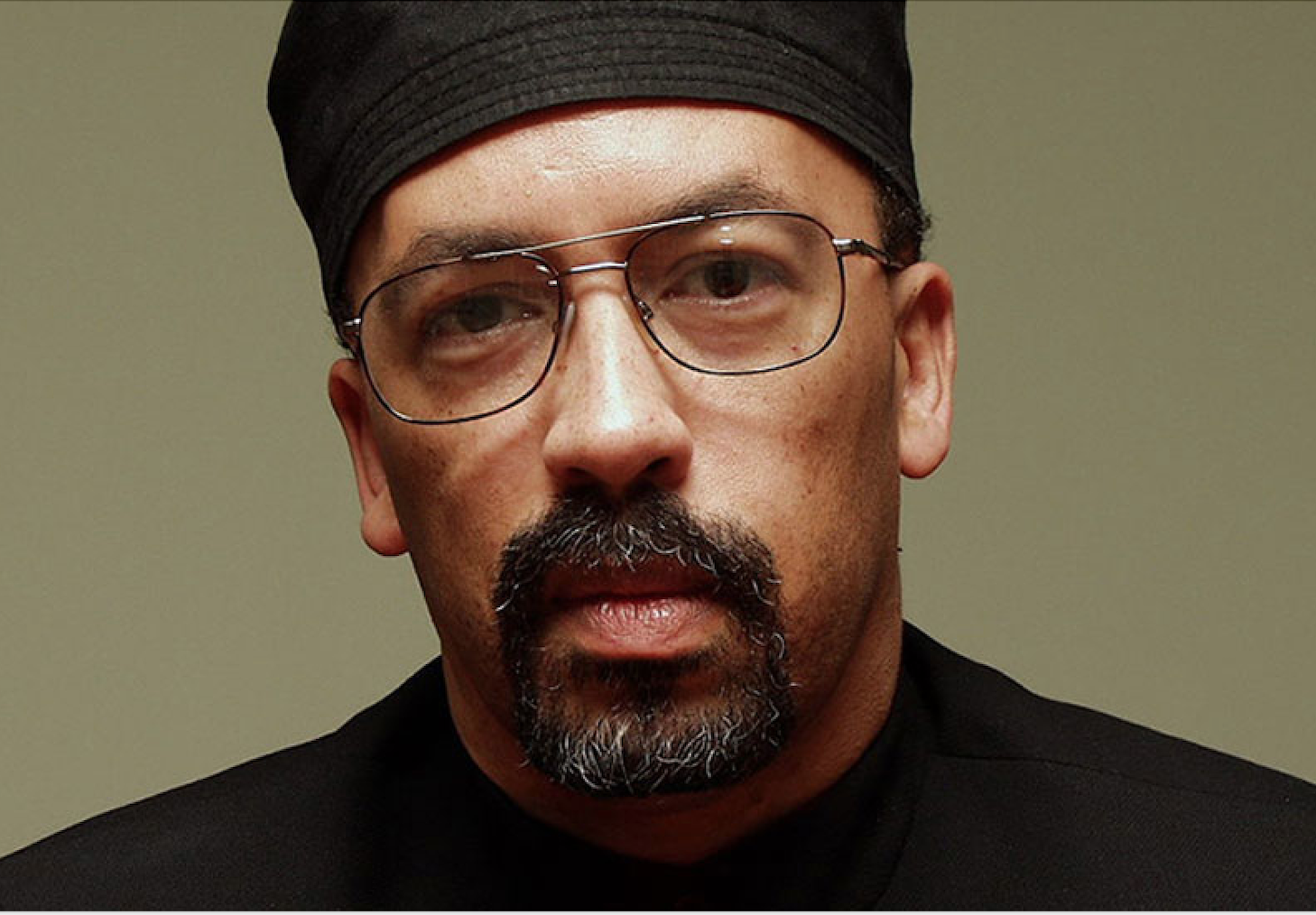
Bill Fletcher, Jr. is the host of The Global African on Telesur-English. Follow him on Twitter, Facebook and at www.billfletcherjr.com.
ZNetwork is funded solely through the generosity of its readers.
Donate

