

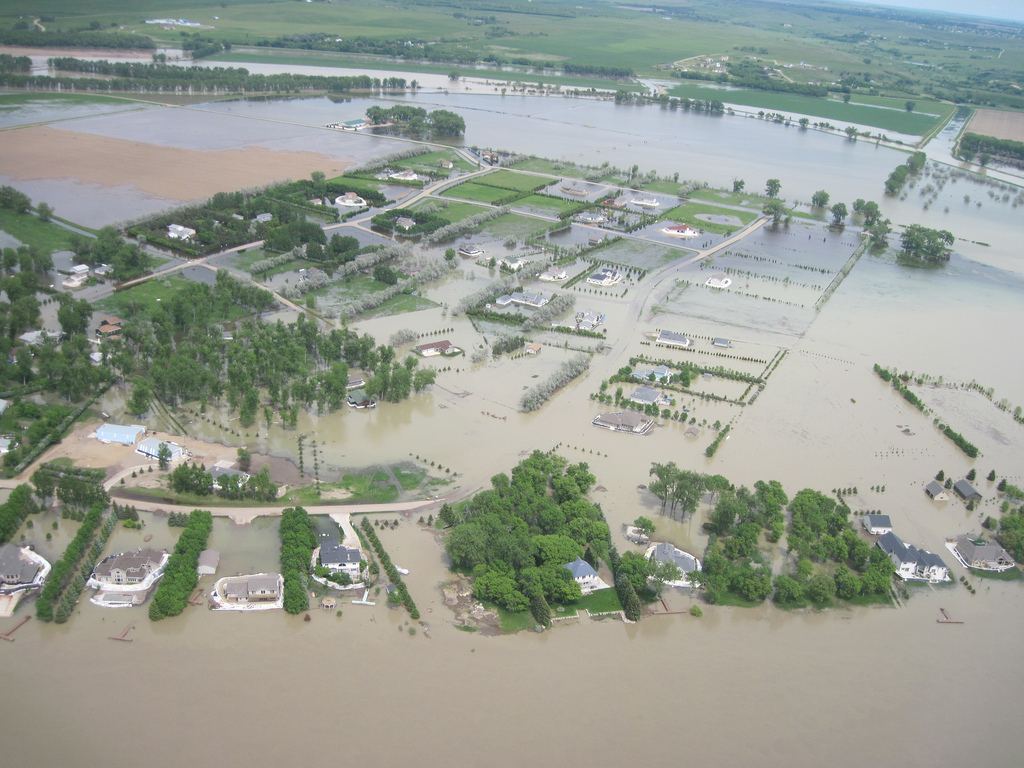
The hot, pissed off, oil-caked cat is now out of the bag.
We will likely cross 1.5 degrees Celsius (or 2.7 degrees Fahrenheit) of global warming beyond preindustrial levels in the next two to four years. This is the temperature at which scientists have warned, for quite some time, serious destabilization may occur. While global temperatures are usually measured as the longer-term trend line rather than a single year’s temperature, 1.5 degrees Celsius is a frightening threshold to cross.
Rather than feeling powerless, frustrated, and terrified at this moment, it’s vitally important we take a beat to remember one very important thing:
it’s not supposed to be like this.
Collectively, we’ve gotten very used to governments, media, and industry across the world rarely, if ever, solving problems. It seems in 2023 they exist primarily to make sure the financial markets remain robust and working people stay on mute.
And much how growing up with a gambling-addict dad makes a family normalize last-second missed free throws meaning no lights or food for a month, we have gotten comfortable with ridiculous levels of corruption and incompetence from our elite institutions.
Word salads, incremental gestures, outright BS, and most of all, pretending there is no problem, flood our day-in-day-out public discourse.
So just a reminder that no, you’re not crazy, there are really obvious things we should and could be doing.
Here are six actual steps that any semifunctioning government would be working on if it were not overrun by billions of dollars in dark and soft money:
1. Declare A Climate Emergency.
Duh.
We’re in a climate emergency, so declare it. And unleash executive powers, in the United States, that allow a government to start problem solving rather than whatever it’s doing right now.
Joe Biden’s failure to declare an emergency and give a landmark climate speech makes Neville Chamberlain look more decisive than the Rock in San Andreas. Shame on him, and shame on a press corps that rarely if ever asks him about it.
2. Climate-Proof Our Infrastructure.
We should cover every structure possible in solar, wind power, battery storage, and reflective paint to protect power grids, reduce carbon emissions, and mitigate extreme heat.
How would we pay for this?
Hmm. If only there was a nearly $800 billion annual budget out there for wars that aren’t happening.
Oh yeah! The Pentagon budget!
Use a chunk of it. Now. We’ve changed plowshares to swords, but now it’s time to change swords into solar arrays and wind farms. Our military has been without a clear mission for years. And the climate emergency is the mission of all missions.
3. Nationalize and Transform Fossil Fuel Companies Into Renewable Energy Companies.
We did it during the 2007 housing market collapse with banks that behaved horribly and collapsed. What the oil companies are doing not only endangers the world economy, it will totally destroy it.
If this sounds drastic, remember that during World War II, there were no factories making Panzer tanks for the Nazis in the United States or the UK, even though I’m sure it would have been good “for the markets.”
4. Invest in Carbon Removal Technology.
We should create a dozen multibillion-dollar research labs to scale up and perfect carbon removal.
We are already at half the carbon load of the Permian extinction, and we’ve done it in a small fraction of the time.
There’s no question we’re going to need to remove carbon from the atmosphere. And there are promising new technologies being developed that are only lacking funding and scale.
Is this the answer?
No. But it may help, and we have to try.
5. Ruggedize the Hell Out Of Everything.
Fires, floods, mega-droughts, tornadoes, food shortages, power outages, and dangerous heat events are shifting into a new gear across the globe.
Let’s get ready with cooling centers, new weather alert systems, sea walls, expanded firefighting capabilities, evacuation plans, etc.
This preparation will save countless lives.
6. Transform How We Cultivate Food and Meat to Reduce Methane Emissions.
The second biggest producer of greenhouse gases behind the burning of oil and gas?
Methane from the hundreds of millions of animals we cultivate for food on an industrial scale.
There are alternatives. Very tasty alternatives.
Transition farmers away from methane-producing animals and toward carbon-free proteins with huge subsidies and support from the government agencies offering engineering and infrastructure emergency support.
“But I like a good steak!”
So do I. But I like not having my house burn down just a hair more.
This is just my list and just a start. If you think it’s terrible, please, please make a better one.
If lots of people start talking about “the plan,” maybe Washington DC will stop looking at poll numbers and collecting checks at cocktail parties and work on one too.
Many will say, “You have to be realistic. Work with the system as it is.”
I would remind them we’ve been doing that for forty years. And the results couldn’t be any worse.
It’s time to challenge the system to do something really radical: actually start solving problems.
ZNetwork is funded solely through the generosity of its readers.
Donate




