


Class struggles are eternal, but how they are fought depends on the ongoing state of the world-system in which they are located.
World-systems have three temporalities. They come into existence and this needs to be explained. Secondly, they are stabilized structures and operate according to the rules on which they are founded. And thirdly, the rules by which they maintain their relative stability cease to work effectively and they enter a structural crisis.
We have been living in the modern world-system, which is a capitalist world-system. We are presently in the third stage of its existence, which is that of structural crisis.
During the previous phase, that of stabilized structures or normality, there was a grand debate within the left about how one could achieve the objective of destroying capitalism as a system. This debate occurred both within movements created by the working class or proletariat (such as trade-unions or social-democratic parties) and within nationalist parties or national-liberation movements.
Each side of this grand debate believed that its strategy and its alone could succeed. In fact, while each side created zones in which it seemed to succeed, neither did. The most dramatic examples of presumed success stories that turned out to be unable to avoid the pull to a return to normality was the collapse of the Soviet Union on the one hand and the collapse of the Maoist cultural revolution on the other.
The turning point was the world-revolution of 1968, which was marked by three features: It was a world-revolution in that analogous events occurred throughout the world-system. They all rejected both the state-oriented strategy and the transformative cultural strategy. It was a matter they said that was not either/or but rather both/and.
Finally, the world-revolution of 1968 also failed. It did however bring to an end the hegemony of centrist liberalism and its power to tame both the left and the right, which were liberated to return to the struggle as independent actors.
At first, the resurrected right seemed to prevail. It instituted the Washington Consensus and launched the slogan of TINA (or there is no alternative). But income and social inequality became so extreme that the left rebounded and constrained the ability of the United States to maintain or restore its dominance.
The return of the left to a premier role also came to a swift end. And thus began a process of wild swings, a defining feature of a structural crisis. In a structural crisis, the left needs to pursue a policy of seeking in the very short run both state power in order to minimize the pain for the lower 99 percent of the population AND in the middle run to pursue a cultural transformation of everyone.
These seemingly contradictory pursuits are very disconcerting. They are however the only way to pursue the class struggle in the remaining years of the structural crisis. If we can do it, we can win. If not, we shall lose.

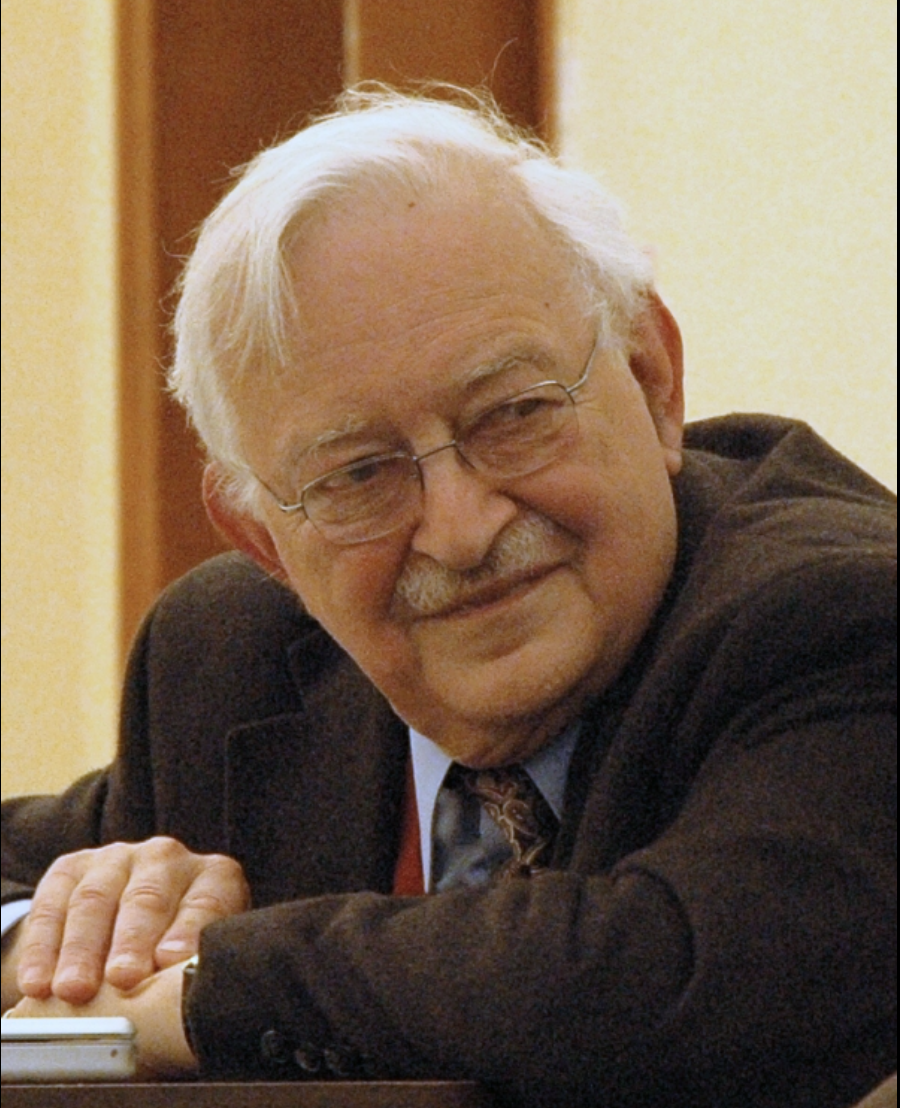
Immanuel Wallerstein (September 28, 1930 – August 31, 2019) was an American sociologist and economic historian. He is perhaps best known for his development of the general approach in sociology which led to the emergence of his world-systems approach. He was a Senior Research Scholar at Yale University from 2000 until his death in 2019, and published bimonthly syndicated commentaries through Agence Global on world affairs from October 1998 to July 2019. He was the 13th president of International Sociological Association (1994–1998). Politically, he considered himself on the "independent left" and was active in a variety of organizations. He argued that we are in the transition from our existing capitalist world-economy to some new system, and that the great political struggle of our time is about which new kind of systemic order will replace our existing one. A new systemic order could be better or worse, depending on our collective ability to push the worldwide decision in one direction or another. He believed that a crucial element in this is a vast debate about the kind of better system we wish to build, and saw the Reimagining Society Project as one of the ways to further this collective debate.
ZNetwork is funded solely through the generosity of its readers.
Donate





1 Comment
An excellent, succinct summary of where we are in light of I.W.’s path-breaking world historic systems work. See also his earlier “The End of the World as We Know It”