


BAGHDAD, Dec 7 (IPS) – The Baghdad Medical City has begun to look nice in its new coat of paint.
It does not look that nice to Dr Hammad Hussein, ophthalmology resident at the centre. â€I have not seen anything which indicates any rebuilding aside from our new pink and blue colours here where our building and the escape ladders were painted,†he told IPS.
What this largest medical complex in Iraq lacks is medicines, he said. â€I’ll prescribe medication and the pharmacy simply does not have it to give to the patient.â€
The hospital is short of wheelchairs, half the lifts are broken, and the family members of patients are being forced to work as nurses because of shortage of medical personnel, he said.
The Yarmouk hospital in Baghdad has been given new desks and chairs. The new desk delivered to Dr Aisha Abdulla sits in the corridor outside her office.
â€They should build a lift so patients who can’t walk can be taken to surgery, and instead we have these new desks,†she said. â€How can I take a new desk when there are patients dying because we don’t have medicine for them?â€
The U.S.-based Bechtel Corporation was hired to deliver an assessment of all damage following the invasion last year and to identify priority reconstruction projects. Bechtel carried out repair work in about 50 primary healthcare centres before handing the rest over to USAID, the official aid agency of the U.S. government.
In his book ‘Iraq Inc.’ Pratap Chatterjee says USAID spent nearly a year selecting contractors to rebuild healthcare centres and hospitals before awarding one of the largest contracts to ABT Associates Incorporated, a large government and business consultancy firm based in Massachusetts in the United States.
The ABT contract is worth more than 22 million dollars, according to the USAID website.
The contract was to support the Iraqi health ministry with medical equipment and supplies, distribute grants to health organisations for critical supplies, and determine specific needs, particularly those of vulnerable groups like women and children.
USAID says it has provided considerable assistance to the ministry of health in providing healthcare for pregnant women and children, supporting immunisation programmes, and refurbishing local health clinics. More than 100 such facilities have been improved, says USAID spokesman in Baghdad David DeVoss.
The health ministry has provided high-protein biscuits with USAID help to more than 450,000 children and 200,000 pregnant and nursing mothers facing malnutrition, DeVoss said.
But this may not be enough.. The United Nations Children’s Fund (UNICEF) says the number of children suffering from malnutrition has doubled since the March 2003 invasion. About 8 percent of Iraqi children below five suffer from chronic diarrhoea and protein deficiency, it says. UNICEF says that diarrhoea caused mainly by unsafe water is responsible for 70 percent of child deaths in Iraq.
Interim health minister Ala-al-Din al-Awan accuses UNICEF of basing its findings on questionable methodology.
The Arab news channel Al-Jazeera reports that 40 percent of the water system has been damaged, with supply lines broken or contaminated. A large section of sewage lines also fail to function as a result of power failures, poor maintenance and damage caused by the invasion.
USAID says that more than 1,700 breaks in water pipes have been repaired over the past year, but admits that more needs to be done.
If the situation is bad in Baghdad, it is much worse in Fallujah. Relief efforts within Fallujah are not getting the assistance they need from the ministry of health, local aid workers say. The Iraqi Red Crescent (IRC) estimates that up to 10,000 people remain trapped inside the city, many in severe need of medical care.
The IRC was able to deliver some supplies to Fallujah in recent days, but the U.S. military ordered the IRC out of Fallujah Monday because of ongoing military operations.
USAID spokesperson in the United States Susan Pittman told IPS there were no civilians in the city. â€I don’t believe that there is anyone in there yet,†she said. Rebuilding â€assessments†would be carried out once military operations were completed, she said.

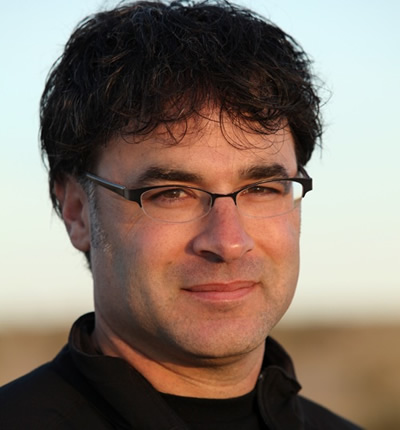
Dahr Jamail is the Baghdad correspondent for The NewStandard. Jamail, a political activist from Anchorage, Alaska, first traveled to Iraq in November 2003 to write about the effects of the US occupation on the Iraqi people. After nine weeks covering Iraq under occupation, he returned to the US and addressed audiences in Alaska and the Northeast about his experience. He has recently returned to Iraq in order to continue reporting on US occupation and privatization. You can view his dispatches and articles at http://newstandardnews.net/iraq.
ZNetwork is funded solely through the generosity of its readers.
Donate




