

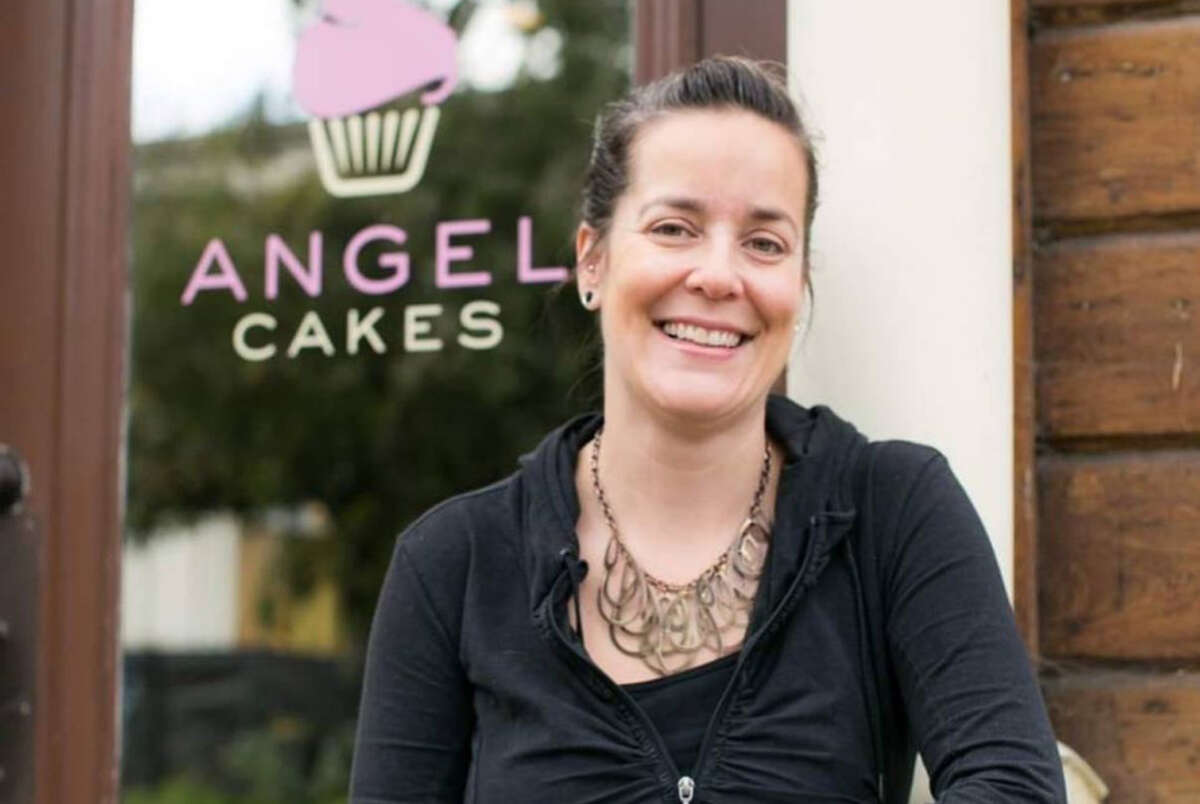
It’s a beautiful moment when you meet a person and quickly realize you are in the presence of someone who is, and will be, making history. Making history because who they are, their ideas, their work, their contributions, are already shaping the present and will help shape the future, in significant, beautiful, meaningful ways.
I first met Jen Angel in 2001 at the National Conference on Organized Resistance in Washington, D.C., during the rising tides of the global justice movement. North American anarchist, socialist, environmental and labor movements were converging with people’s justice movements throughout the Global South in confronting capitalism. We had each devoted ourselves to these projects over the previous decade to get to this point.
We quickly found kinship with each other in our shared sensibilities and approach to the question of how to contribute in significant ways to advancing feminism, queer liberation, anti-racist economic justice, with anarchist/socialist values and commitments as generative and energizing forces. It was clear that she was truly gifted at implementing this approach in her life. Over the next 10 years, I saw her in action, we supported each other’s work, and I became her thought partner.
With her Midwestern working-class roots, a love for “do-it-yourself” punk culture, and a highly sophisticated anarchist sensibility, she believed in people, cared about people. She believed that people needed and deserved the opportunity to learn about and engage with liberatory ideas and values through independent left media; that we needed to create opportunities for people to enter liberation movements and get involved through zine fairs, punk culture, conferences and large-scale anarchist bookfairs; that writers, journalists and artists generating and furthering left ideas needed to be aided and abetted in their efforts to reach larger audiences and have greater impacts; that in addition to creating thousands of opportunities to publish people, have them lead a workshop, give a talk or share their art, we needed a culture of active encouragement, especially to bring voices and leadership from people told they have nothing of significance to offer.
There are countless stories of Angel supporting people to do things that in retrospect helped them connect to a greater sense of their own power or connected them to important experiences in their lives. Over and over again, she helped people connect to communities and movements working to make positive change but also to live, as much as possible, in the joy and beauty of what we’re working for. It could look like mass protests alongside care and consideration with dinner parties featuring excellent food and wine to enjoy our lives and nourish our friendships.
Angel and I had a running private dialogue from 2001-2008 under the theme, “Good Analysis Is Not Enough.” We focused on the questions of how to help people experience their power, grow their confidence, hold the heartbreak and the joy of this work, come together in significant numbers and have meaningful impact. To truly understand the significance of Angel’s dedication and remarkable capacity to implement big ideas and put liberatory values into practice, we need to step back for a moment and put her in context.
Putting radical ideas into practice can be incredibly difficult, at times heartbreaking, work. As we put ideas into action, we quickly learn that things are often more complicated, often slower, and we are often less impactful than we had imagined or hoped for. Our analysis of what we are up against often outpaces the development of our visions, strategies, skills, understanding of roles and organizational forms, and it generally takes longer to learn and experience the nuances of liberatory power to develop our own abilities to practice that power.
As we experience the heartbreak of learning about exploitation and oppression on deeper and deeper levels, we can also become disillusioned with our organizations, campaigns and movements that often fall short of their goals. We sometimes turn against each other in this heartbreak and take the position (understandable, at times) that we must become jaded toward liberation efforts, and the people in them, to protect our hearts. We seek to protect our hearts from the brutality and pain of structural inequality and the sometimes excruciating wish that we, individually and collectively, were far more successful that we actually are. From this place of existential pain, a downward spiral of disillusionment and disempowerment can take hold — all of this compounded by the whispering words of supremacy systems devoted to destroying us.
Enter Angel.
She devoted her talents and energy to creating the conditions, opportunities and culture of active support for people to connect to their own power, believe in themselves, and embrace radical ideas and liberation values as possibilities for how we can live, come together and make outstanding, beautiful change.
“Jen Angel believed in me,” you hear over and over again. “She encouraged me”; “she gave me opportunities”; “she taught me how to make budgets for our organization and use QuickBooks”; “she was a leader in this community and brought me in.” She was so nonchalant and cool while doing these things that many hadn’t fully realized the impact that she had on them until her tragic death. Suddenly her efforts, her invitations to do things and be places, her introduction to ideas and people, her subtle hand at our backs nudging us forward, her left infrastructural-building genius, her abilities to curate movement culture, relationships and efforts, all became painfully apparent.
It is vital that we articulate the messages of Angel’s life, her approach to liberation movement organizing and culture building, and her ability to put ideas into practice in a rigorous and disciplined way, and help others put ideas into practice too. Her “we-make-the-road-by-walking” praxis was prolific, and one of the themes I want to lift up in closing is what radical feminist and civil rights activist Audre Lorde famously explored in her essay “The Uses of the Erotic.” Lorde named that the erotic is “the nurturer or nursemaid of all our deepest knowledge,” and that it unleashes our capacity for joy and calls for us to live into our values. Lorde highlights our relationship to our bodies and sexualities as places of intuitive wisdom and power. Angel refused the shame that heteropatriarchal power perpetuates and she embraced, harnessed and practiced the erotic as power for care, affirming dignity in a nod, a smile, a hug or a needed laugh after crying.
I’m not writing this essay to put Angel on a pedestal, for her to be admired and seen as a saint sent to us by Emma Goldman and Lucy Parsons. Angel was indeed a badass. But she believed all of us could be badasses, in many different ways, and that all of us, provided with the right opportunities, encouragement and community of support, have the ability to meaningfully advance collective liberation values. I can imagine her whispering to us, “This is what I did with my one precious, wild life, as Mary Oliver says, and I’m so excited to see what you’ll do.”
We honor Angel by studying the lessons she gives us to build liberatory power, to all get free.
ZNetwork is funded solely through the generosity of its readers.
Donate




