


If one looks back at the 2016 elections in the United States, there is really a quite simple explanation as to why Donald Trump defeated Hillary Clinton. The so-called hard core of Trump’s supporters was extremely fired up by the possibility that he might win. They were enthusiasts. They campaigned vigorously. They made sure that their voters voted. They put pressure on other Republicans and Independents (and even on some Democrats) to work for Trump, even if they had reservations.
The story with Hillary Clinton was quite different. Her hard core was less hard and worked less hard for her. Many of her voters and possible voters supported her only because they were anti-Trump. There was little enthusiasm, and it showed. Even if they voted for her, they spent far less energy on mobilizing others. They put less pressure on potential voters. They were sure they would win, and could afford therefore to do less.
If we look at the political situation in July 2017, there has been a major shift in enthusiasms. The hard core of Trump supporters is now like the hard core of Clinton supporters in 2016. They support Trump because they are anti-Democrats. Nancy Pelosi is their symbolic force of evil.
They are “disappointed” in Trump. He has not delivered what he promised. He is surrounded by the Goldman Sachs people he once denounced. His approval ratings, low at the beginning of his term, have continued to fall, even among the hard core. They are still supporting Trump because the other side seems far worse. But they drag their feet a bit. The proselytize less. They campaign less. They put less pressure on friends and family. They do less to get out the vote.
If one looks at the Democrats, the opposite has happened. They smell a chance. They have never been so united in their refusal to support Republican propositions. While the Republicans in the Senate struggle to get near unanimous support of Republicans for their proposals, the Democrats sit back and let them fight among themselves. They organize locally, and at the level of the separate states.
While on paper this seemed like an election the Republicans couldn’t lose, in the last two months or so bloggers are putting forth analyses showing that it might be possible for the Democrats to win back the Senate and even the House of Representatives. Possible is not certain, but even possible seemed not so long ago a fantasy.
To be sure, the Democrats are divided on a major issue – their electoral strategy. The question is a very clear one. Should they put forth candidates who are “centrist” on the grounds that this will attract the centrist votes that the Republicans seem to be losing? Or should they move to the left – nominate someone like Bernie Sanders or Elizabeth Warren on the grounds that this will energize an enlarged left base. In short, should they bank on utilizing enthusiasms, or not?
The Democrats are arguing about this. But the camp for a left program has grown notably stronger. In 2016, everyone across the spectrum moved right. Will everyone move left in 2018? We can’t tell yet. But it depends on mobilizing enthusiasms.
Now, suppose the Democrats move left in 2018 and then actually win back the national legislature and some gubernatorial races? Will this be the “revolution”? Far from it. But it will mean some better short-run decisions that will, as I like to say, “minimize the pain” for the poorest members of the population. So, it’s a short-term plus. The middle-term battle about the world we wish to build to replace the flagging capitalist system in which we have been living still needs to be fought. However, the organizing experience of a short-term left campaign by the Democrats in 2018 will enhance the skills of those who are ready for the bigger middle-run battle.
The next six months or so should be very interesting to watch if we keep our eye on the ball – energizing the left and remembering the major struggle we face after 2018.

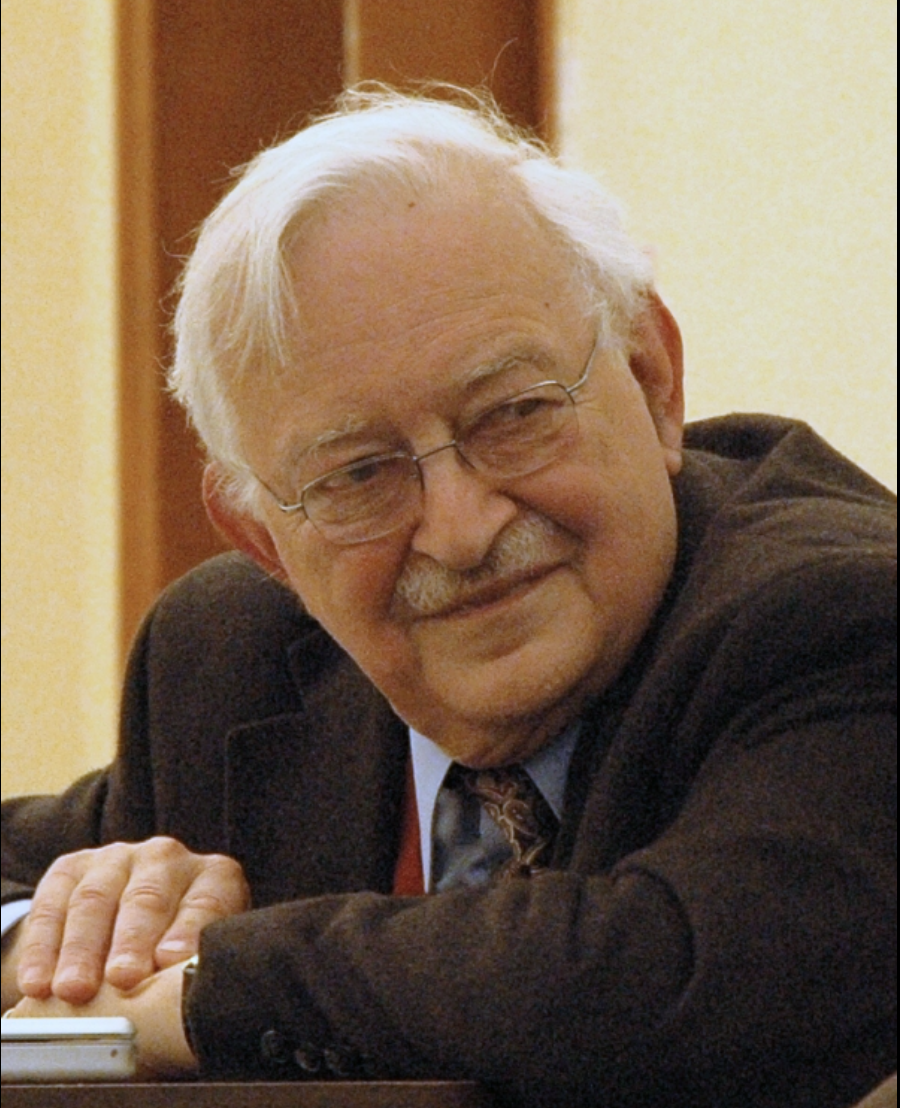
Immanuel Wallerstein (September 28, 1930 – August 31, 2019) was an American sociologist and economic historian. He is perhaps best known for his development of the general approach in sociology which led to the emergence of his world-systems approach. He was a Senior Research Scholar at Yale University from 2000 until his death in 2019, and published bimonthly syndicated commentaries through Agence Global on world affairs from October 1998 to July 2019. He was the 13th president of International Sociological Association (1994–1998). Politically, he considered himself on the "independent left" and was active in a variety of organizations. He argued that we are in the transition from our existing capitalist world-economy to some new system, and that the great political struggle of our time is about which new kind of systemic order will replace our existing one. A new systemic order could be better or worse, depending on our collective ability to push the worldwide decision in one direction or another. He believed that a crucial element in this is a vast debate about the kind of better system we wish to build, and saw the Reimagining Society Project as one of the ways to further this collective debate.
ZNetwork is funded solely through the generosity of its readers.
Donate




