


The onslaught of Mosul has begun, as occupation forces are launching attacks into Iraq’s third largest city. While there are mass resignations of police and elections polling staff there, yet another new police chief has been awarded control of the 1,000 strong police force-which was over 5,000 men just two months ago.
In Ramadi fierce clashes continue between the bringers of “democracy†and those resisting the occupation. It is reported that five huge explosions hammered a US base near the city.
Samarra wasn’t without its share of “democracy†as US soldiers opened fire on a car of civilians. The military spokesman said warning shots were fired before the car was shot, wounding two people. Iraqi police, along with several witnesses however, reported the car was shot by a tank and four people died. Just yesterday a US soldier was killed in Samarra, along with four Iraqi soldiers.
Of course clashes persist in “stabilized†Fallujah. Remember how the reason Fallujah bombed to the ground was to bring stability and security for the “elections?†Remember how Iraq was invaded because the past regime had weapons of mass destruction?
Closer to home, an Iraqi Army patrol was attacked just south of the capital, injuring two of them. Horrible as that is, they fared better than 15 of their comrades who were kidnapped from a bus recently near Hit.
As the gas crisis persists and worsens by the day, 300 followers of Shia cleric Muqtada al-Sadr began a sit-in today at the Oil Ministry-their chief complaint is the question, “Why does the US military have plenty of gasoline for their vehicles and Iraqis do not?â€
Good question.
As I’m preparing for my day this morning the “green zone†is mortared as I make some coffee. Just like yesterday. And the day before that. And…well, you get the idea.
Of course these are only the highlights of the violence. Stories of the new “freedom†being enjoyed by Iraqis abound in daily life as well.
Abu Talat’s wife works in a bank and she told him many of the banks in Baghdad are paying their employees in advance for the next two weeks for fear of bank robberies during the “elections.â€
We are driving by the Rashid Bank in the Karrada district if Baghdad as he tells the story. Iraqi Army soldiers have sealed the road that runs in front of the bank, most of them standing around with their black face masks on smoking cigarettes, casually holding their Kalashnikovs.
“My wife told me that four billion Iraqi Dinars ($2.6 million) were looted from a vehicle recently that was traveling between Kut and Baghdad,†he says, “Three of the guards were killed while transporting the money to the Central Bank in Baghdad.â€
In case a bank looting spree accompanies the “elections†we go to collect some funds I had wired to a local bank.
Most of the day has found our cell phones without signal. Recently the Iraqi “government†announced that in order to provide security for the polls on January 30, cell and satellite phones will be cut, and the use of cars will be “limited†the day before, of and after the “elections.â€
I say “elections†because the Higher Commission for Elections announced that it won’t be releasing the names of the candidates prior to the “elections.†With four of Iraq’s 18 governorates unable to participate in them, an estimated 90% of the Sunni population not voting, a sizeable amount of the Shia boycotting and a very large percentage of Iraqis unwilling to vote because of the horrendous security situation, calling them elections seems a bit of a stretch.
Apaches rumble low overhead as we leave the bank and head over to al-Dora to visit some friends. We weave through some concrete barriers in the on-ramp to the highway.
Once at our destination, we share coffee with some friends. I ask one of them, a college student, how things are going.
“The problems are endless,†she tells me, “No electricity, no jobs, and there is never enough money.â€
Her sister tells us there has been fighting in Dora everyday, and the electricity is usually cut when it occurs.
We talk some more before taking off, as it’s getting dark. I recall that a friend of mine from Baquba told me earlier today, when my mobile was actually receiving a signal, that there had been fighting there everyday, and many home raids. He had even been detained for five hours by the military. “I do not know why they detained me,†he told me, “This is the freedom-they are free to detain anyone here without a reason.â€
We slowly make our way out of Dora, passing one black banner (death announcements) after another. Some of them tell the cause of death along with the person’s name.
“That man was killed by an explosion,†Abu Talat reads to me, “And that one by gunfire.â€
The black banners are everywhere in Baghdad. Buildings, fences and walls are darkened by them at every turn. They’ve always been visible throughout the occupation, but now, like the beggars, they are everywhere.
The Guardian recently reported that “troops from the US-led force in Iraq have caused widespread damage and severe contamination to the remains of the ancient city of Babylon.â€
The ancient city, south of Baghdad, has been used by US and Polish forces as a military camp during the occupation, despite objections from archaeologists.
A study conducted by archeological experts found cracks and gaps where people had tried to gouge out the decorated bricks forming the famous dragons of the Ishtar Gate, “2,600 year-old brick pavement crushed by military vehicles, archaeological fragments scattered across the site, and trenches driven into ancient deposits.â€
The story in The Guardian continues:
“Outrage is hardly the word, this is just dreadful,†said Lord Redesdale, an archaeologist and head of the all-party parliamentary archaeological group. “These are world sites. Not only is what the American forces are doing damaging the archaeology of Iraq, it’s actually damaging the cultural heritage of the whole world.â€
Tim Schadla Hall, reader in public archaeology at the Institute of Archaeology at University College London, said: “In this case we see an international conflict in which the US has failed to take into account the requirements of the Hague convention … to protect major archaeological sites – just another convention it seems happy to ignore.â€
So Babylon is being destroyed. Along with the Iraqi people.

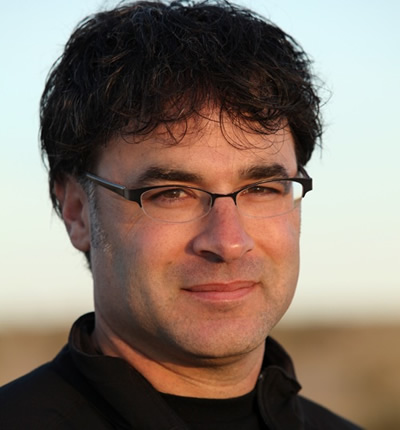
Dahr Jamail is the Baghdad correspondent for The NewStandard. Jamail, a political activist from Anchorage, Alaska, first traveled to Iraq in November 2003 to write about the effects of the US occupation on the Iraqi people. After nine weeks covering Iraq under occupation, he returned to the US and addressed audiences in Alaska and the Northeast about his experience. He has recently returned to Iraq in order to continue reporting on US occupation and privatization. You can view his dispatches and articles at http://newstandardnews.net/iraq.
ZNetwork is funded solely through the generosity of its readers.
Donate




