


Right now, 90 miles from our shore, the people of Cuba are facing the most extreme attack by the United States in at least a generation. The Trump administration has moved to choke off all remaining fuel access to the island. Venezuela and Mexico—the two countries that have supplied the vast majority of Cuba’s oil—have been compelled, through force and threats, to halt shipments. This has caused an escalating humanitarian crisis that threatens vital infrastructure, from electricity and water systems to food distribution. The intended result is clear: the end of Cuban sovereignty through economic strangulation, and the end of an experiment that has inspired socialists and anti-imperialists around the world.
That Cuba has survived decades of political, diplomatic, and above all economic suffocation—the world’s longest-running economic embargo—is a testament to the resilience, organization, and defiance of the Cuban people. It is also a testament to international solidarity, especially from socialist and progressive governments that have refused to abandon the island, from the Soviet Union in earlier decades to Venezuela more recently. Mexico, the lone member of the Organization of American States to refuse to sever ties with Havana in 1964, has had a consistent record of solidarity in the decades since.
Now the Trump administration has escalated the United States’ long-standing, vindictive embargo by targeting even those allies that have most consistently stood with Cuba. First Venezuela, and now Mexico, have found themselves the target of concerted US aggression.
This past December, the administration launched a campaign of piracy, illegally seizing Venezuelan fuel tankers bound for the island. It then carried out the extraordinary kidnapping of Venezuelan president Nicolás Maduro and his wife, extorting the remaining leadership of the country into cutting off relations with Cuba altogether. While this assault on Venezuelan sovereignty appeared to serve multiple—perhaps conflicting—objectives from forces in the Trump regime, one clear aim was to assert control over Venezuela’s oil, both as a strategic asset in its own right and as a means of increasing pressure on Cuba.
Since then, Trump has attempted to use tariff threats to extend this chokehold. By threatening to impose punitive tariffs on any country that supplies Cuba with oil, the US is effectively trying to impose a universal blockade on the island. Though framed as a trade measure, this policy is illegal under international law and amounts in practice to an act of war. Under this pressure, Mexico—which provided almost half of Cuba’s oil supply—made the difficult decision to suspend its shipments. Against the backdrop of devastating tariff threats and the chilling precedent set by US military action in Venezuela, one of Cuba’s last sources of fuel was turned off.
The US Supreme Court’s February 20 tariff ruling dealt Trump’s plans a blow, invalidating this use of tariffs for economic warfare against Cuba. But the administration is likely to find other ways to impose more sanctions, and to continue its blockade of oil shipments, using the military to prowl the Caribbean and seize ships that support the island. A Russian tanker carrying diesel oil is now reported to be headed to Cuba, a potential geopolitical power play in the Western hemisphere.
The administration’s escalating attacks on Cuba, Venezuela, and Mexico cannot be understood in isolation. They are interconnected components of a multi-pronged offensive to reassert US dominance in Latin America through direct intervention and indirect interference in elections and economic policy. Left unchecked, these efforts risk destroying whatever vitality remains in Cuba, more deeply ensnaring Mexico, and forcing much harsher choices and narrower futures on progressive governments and social movements throughout Latin America.
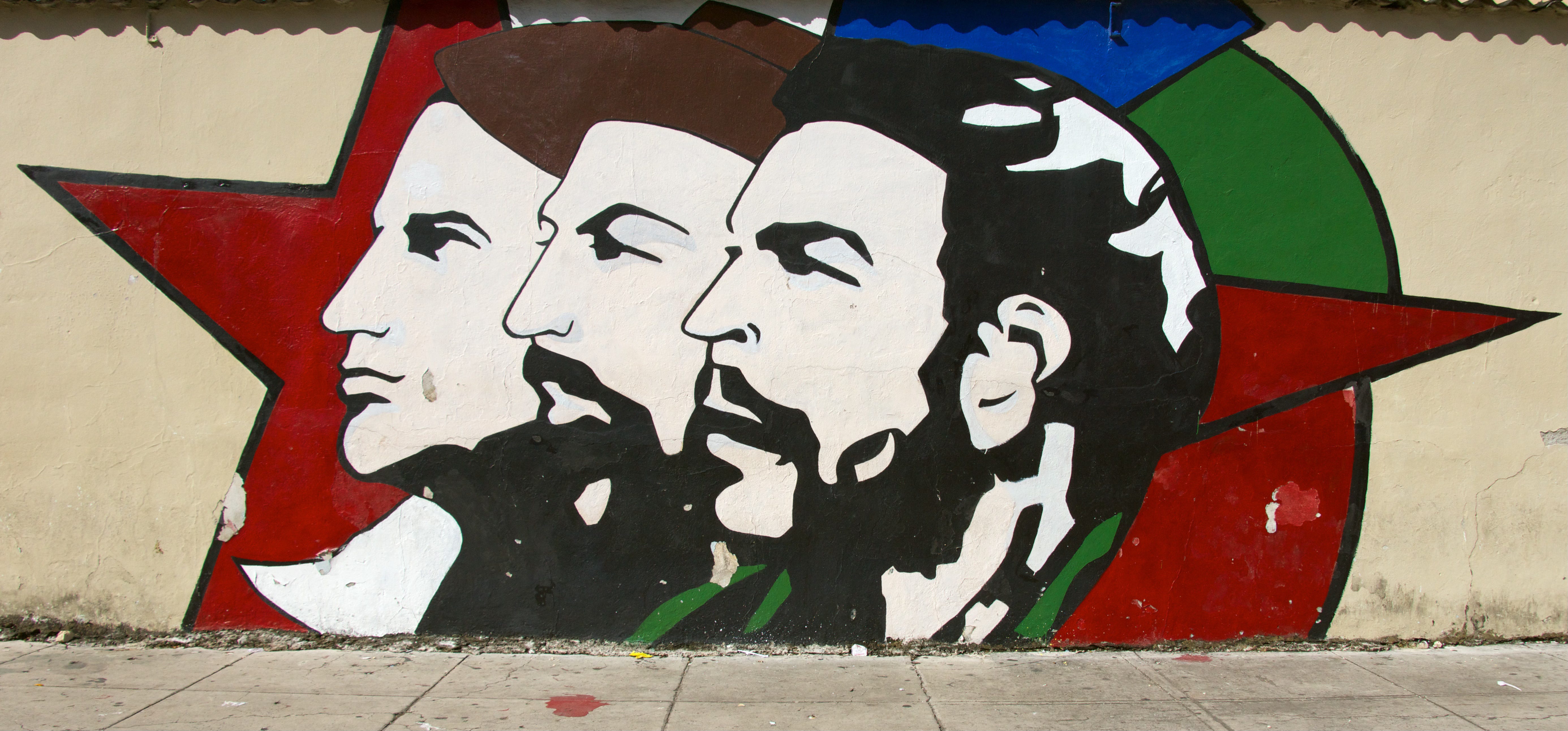
The US left must stand for the sovereignty and self-determination of all peoples and against this period of increasingly illegal and violent US interference and intervention in Latin America wherever it is enacted or threatened.
Our solidarity with the Cuban people can take material form. As Cuba faces deepening shortages and humanitarian strain, initiatives such as the Nuestra América Convoy are organizing flotillas and aid deliveries to bring food, medicine, and other essential supplies to the island. We should support and contribute to these efforts, demonstrating that nations’ peoples can come to one another’s aid even when their governments seek to prevent it.
Ultimately, however, the most decisive arena of solidarity for US leftists lies here, inside the United States. For decades, Cubans have been clear about what solidarity means in practice. When asked what US Americans can do to help, their answer has been: go home and build the struggle for power there.
In the immediate term, we should urge Congress to act, including by supporting H.R. 7521, the United States-Cuba Trade Act, which would repeal the statutory basis of the US embargo. At the same time, we must be clear-eyed about the balance of forces: with a quiescent GOP majority enabling Trump’s actions and entrenched—if shifting—bipartisan hostility toward Cuba, neither congressional channels nor protest alone will likely be enough to stop these escalating attacks
Unless we are able to contest for power inside the United States—to restrain its capacity for economic and military coercion, and ultimately to transform US foreign policy towards more just ends—the peoples of Cuba, Mexico, Venezuela, and Latin America will continue to face impossible choices imposed from Washington.
The Trump regime’s foreign policy mirrors its domestic project: the consolidation of white-supremacist rule, the plunder of working people and poorer nations to enrich oligarchs, and the use of militarized violence against all who resist.
Progressive internationalism must therefore be a central component of the program with which we unite the broadest possible front against Trump. As we build mass opposition to authoritarianism at home, we must integrate political education about US foreign policy into our organizing and bring demands to end economic warfare and military aggression against our Latin American neighbors into mass mobilizations and campaigns. In doing so, we can both defeat MAGA and shift the balance of power within the pro-democracy united front toward forces committed to a Third Reconstruction and a genuinely progressive foreign policy.
ZNetwork is funded solely through the generosity of its readers.
Donate
