

A person buying insurance does so because he or she is concerned about the future. A house fire could lead to a financial wipe-out. A car accident resulting in hospitalization could result in savings-depleting bills without insurance.
Insurance companies, however, concern themselves primarily with the past. They pay people called actuaries to create detailed models of risk using voluminous data from the past regarding medical diagnoses, life expectancy, damage due to natural disasters, auto accident statistics and myriad other pieces of information. These models help insurance companies predict the frequency and severity of the events they insure against and thereby set their rates.
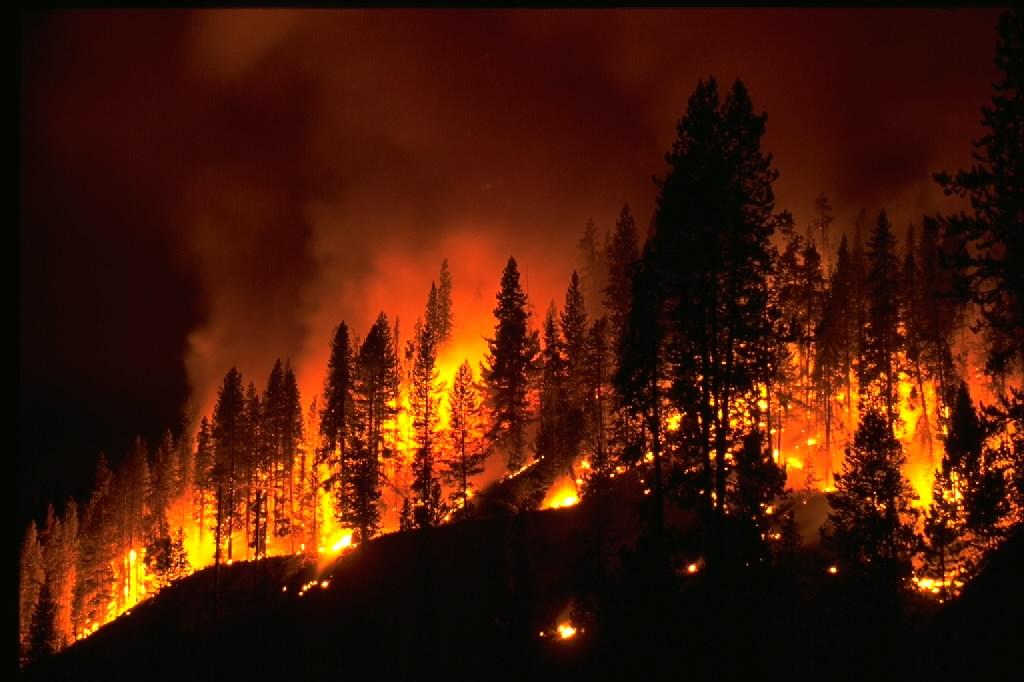
If, however, conditions that create risks are rapidly changing—as they are now with climate change—models dependent on past data become unreliable. As a result, property and casualty insurers have been stung by huge losses due to severe weather. For example, the California wildfires of 2017 and 2018 resulted in $29 billion in insurance claims. But insurers only took in $15.6 billion in premiums.
Hurricanes and floods resulted in $120 billion in insured losses in 2022. Companies expect insured losses to continue to rise as climate change intensifies.
So much of modern life depends on the availability of insurance. Homeowners who have paid off their homes can go without insurance, but few do. That’s because homes are often the largest asset that a family owns. Homes with mortgages are always insured because the lender requires it. The lender wants to make sure it will get its money back in case the home is destroyed.
And no modern business can function without insurance for property and liability. Even nonprofit organizations including houses of worship carry insurance. Divine protection is not usually considered enough by those who govern such institutions.
Now the viability of the insurance industry is at risk. Insurance companies know this, and one solution is simply not to insure homes and businesses in places at high risk for flooding, hurricanes, wildfires and other quickly mounting hazards. For example, many insurance companies have left Florida due to the increasingly high and unquantifiable risk. Three major insurers stopped writing polices in Florida recently. Twelve other national companies left the state previously between 2020 through 2022. Of the remaining companies, many are Florida-only insurers and six of those became insolvent last year. Thirty Florida-only companies are being watched closely by state regulators because of fears they might become insolvent.
Climate-enhanced wildfire risks in California have led three large insurers to stop writing new policies for homeowners. The companies also say that state regulators’ limits on policy premiums in the face of rising risks were part of the reason for pulling back.
Naturally, states want to keep insurance available and affordable for their citizens. So, many have opened their own property and casualty insurance companies to fill the gap left behind by private insurers. Problem is, those state-sponsored insurance companies face the same risks as the exiting private companies. Any losses that exceed resources will ultimately be made up by taxpayers, many of whom do not benefit from state-backed insurance and many of whom purchased or built homes and businesses in less risky places.
The mounting risk has not gone unnoticed by those to who insure insurance companies known as reinsurers. Insurance companies often insure themselves against major losses through reinsurance. Earlier this month reinsurers upped their rates for U.S. property and casualty insurers by as much at 50 percent.
Of course, the rest of the world is experiencing huge losses due to climate change-enhanced severe weather, too. Examples include catastrophic flooding in eastern Australia and floods affecting more than 33 million people in Pakistan, both in 2022.
It would be one thing if this new normal were a one-time change. Insurance companies could probably easily adjust. But the problem with climate change is that it is a moving target. Severe weather is going to get worse and worse as climate change continues to intensify. (This is also a problem for those seeking for fortify seawalls and levees and create more stringent building codes.)
The intersection between the prices buyers of insurance are willing or able to pay and the prices insurers need to stay solvent must of necessity shrink. And, the reluctance of insurers to take on risk they can no longer understand is already making private insurance less available. That means more and more people may go without insurance in an increasingly risky environment. And, that means one of three things:
- Governments choose to provide insurance. (For example, the U.S. government already provides 95 percent all the flood insurance in the country.)
- Governments end up paying to rebuild uninsured homes, businesses and other private infrastructure when they are damaged in natural disasters.
- In the absence of government help, those who are uninsured and haven’t the resources to rebuild will leave or sell at rock-bottom prices whatever is left of their property. Much of what gets devastated will never be rebuilt.
Remember, climate change will not only increasingly affect private homes and businesses, but it will destroy more and more public infrastructure putting additional stress on governments both to repair that infrastructure AND to assist homeowners and businesses with their repairs and rebuilding. And, the areas affected by such catastrophes will continue to multiply. Witness the flooding that has just happened in New England in the past week.
Insurance costs are ultimately borne by society. Rising insurance rates are just one indication of the costs associated with climate change. We cannot just boycott high prices and hope for them to come down. They won’t because risks keep increasing. That means the only way to deal with ever rising insurance rates and declining availability will be to address climate change itself.
In Limits to Growth, the groundbreaking study of future resource and capital flows, the authors noted that what will ultimately halt growth is NOT lack of resources, but the dedication of all investable capital to maintaining the existing system. This will leave no capital for expanding the size of the economy. Rising insurance and rebuilding costs are becoming a major destination for capital that would otherwise go towards producing economic growth. This is moving us ever closer to outcome suggested by the Limits to Growth researchers.
Kurt Cobb is a freelance writer and communications consultant who writes frequently about energy and environment. His work has appeared in The Christian Science Monitor, Resilience, Common Dreams, Naked Capitalism, Le Monde Diplomatique, Oilprice.com, OilVoice, TalkMarkets, Investing.com, Business Insider and many other places. He is the author of an oil-themed novel entitled Prelude and has a widely followed blog called Resource Insights. He can be contacted at kurtcobb2001@yahoo.com.
ZNetwork is funded solely through the generosity of its readers.
Donate




