

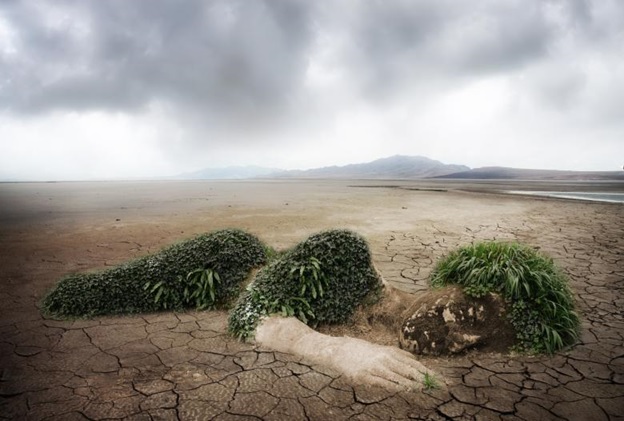
The Earth, our precious blue planet, faces an existential crisis that touches every living being. While often overshadowed by more immediate concerns, biodiversity loss is intimately linked to the overarching climate crisis. Recent events have spotlighted the alarming rate at which species are disappearing, and the repercussions for all life forms, including humans, are profound. This article will delve into the intricate connection between biodiversity loss and the climate crisis, its far-reaching implications, and the imperative to mitigate this global catastrophe.
Biodiversity: Nature’s Rich Tapestry
Biodiversity, a condensed term for biological diversity, encapsulates the intricate tapestry of life on Earth. It encompasses the astonishing richness of living organisms, ranging from the microscopic world of bacteria to the grandeur of large mammals and everything in between, including plants, animals, fungi, and microorganisms. Biodiversity extends beyond mere species count, encompassing genetic diversity within species, the various ecosystems they form, and the genetic variation both within and among species. This intricate web of life provides the foundation for the Earth’s ecosystems, delivering essential services like pollination, climate regulation, disease control, and the provision of food and medicine. Moreover, biodiversity holds cultural and ethical significance, playing a vital role in traditional knowledge systems and ethical frameworks. It’s also of immense economic importance, underpinning industries and agriculture and providing critical ecosystem services worth trillions of dollars annually. However, this invaluable biodiversity is under siege due to human activities such as habitat destruction, deforestation, pollution, invasive species, and climate change.
Scientists issue a stark warning: We are currently living through the sixth mass extinction event in Earth’s history (reference). Unlike previous extinctions primarily driven by natural causes, this one is largely attributed to human activities. These activities include habitat destruction (such as deforestation and urbanization), overexploitation of natural resources (including overfishing and hunting), pollution (in the form of air, water, and soil contamination), the introduction of invasive species, and, significantly, climate change resulting from the excessive release of greenhouse gases. Climate change plays a pivotal role in this event, disrupting ecosystems through rising temperatures, altered precipitation patterns, and more frequent extreme weather events. This, in turn, threatens the survival of countless species and critical habitats like coral reefs and polar ice caps. The consequences of the Sixth Mass Extinction extend to global biodiversity, with disruptions in ecosystems potentially leading to cascading effects that can destabilize entire food webs. Moreover, the loss of species jeopardizes ecosystem services that are essential to human well-being, including crop pollination, water purification, carbon storage, and disease control. This ongoing crisis underscores the urgent need for comprehensive conservation efforts and sustainable practices to mitigate the profound impact of human activities on Earth’s biodiversity.
A Vicious Cycle: Biodiversity Loss and Climate Change
The relationship between biodiversity loss and the climate crisis is a complex, interconnected cycle. Climate change is both a driver and a consequence of biodiversity loss, creating a destructive feedback loop. For instance, when critical carbon sinks like forests and wetlands are degraded or destroyed, they release stored carbon into the atmosphere, exacerbating the climate crisis. Conversely, biodiversity loss weakens ecosystems, making them less resilient to climate change, thus perpetuating a destructive cycle of environmental degradation.
The repercussions of biodiversity loss extend far beyond the natural world; they reverberate throughout society and ecosystems. It jeopardizes global food security by reducing the genetic diversity of crops, rendering them more susceptible to pests and diseases. This poses significant risks to our agricultural systems and the availability of essential food resources. Many medicines and pharmaceuticals are derived from natural sources. As species disappear, we risk losing potential cures and disease treatments, which underscores biodiversity’s profound importance in our quest for medical advancement.
Ecosystem services provided by biodiversity, such as pollination of crops and the purification of water, are estimated to have a global economic value in the trillions of dollars. The depletion of these services can lead to severe economic consequences, affecting industries, livelihoods, and overall economic stability.
Biodiversity holds profound cultural and spiritual significance for indigenous and local communities. It is intertwined with their cultural practices, traditional knowledge systems, and spiritual beliefs. The loss of biodiversity can sever these connections to nature, resulting in profound cultural impacts and the erosion of cultural heritage.
Addressing the Crisis: What Can We Do?
Amidst our seemingly daunting challenges, there remains a beacon of hope. We must take immediate, collective action to address the critical issues of biodiversity loss and the climate crisis. Several pivotal steps can guide our efforts: Firstly, safeguarding and rehabilitating natural habitats like forests, wetlands, and coral reefs is essential, as it offers refuge to species while amplifying carbon sequestration efforts. Secondly, the adoption of sustainable practices in agriculture, fishing, and forestry is paramount, as it alleviates the undue stress on ecosystems and fosters long-term ecological health. Thirdly, the expeditious reduction of greenhouse gas emissions to mitigate climate change is imperative, concurrently alleviating pressures on biodiversity. Ensuring the robustness of international and national laws that protect endangered species and their habitats is non-negotiable. Furthermore, raising awareness about the profound significance of biodiversity and its intricate ties to the climate crisis within communities, among policymakers, and across businesses is pivotal for fostering change. Lastly, offering support to conservation organizations like BioDB, and projects dedicated to safeguarding endangered species and ecosystems presents a tangible way to contribute to the restoration and protection of our planet’s invaluable biodiversity.
Biodiversity loss is not an isolated crisis; it is deeply intertwined with the climate crisis, and together, they pose a grave threat to our planet and all its inhabitants. The consequences of inaction are too great to ignore. To secure a sustainable future, we must recognize the value of biodiversity, its role in climate regulation, and our responsibility to protect it. By taking collective action to address both biodiversity loss and the climate crisis, we can preserve the beauty, richness, and diversity of life on Earth for generations to come.
“The wealth of the nation is its air, water, soil, forests, minerals, rivers, lakes, oceans, scenic beauty, wildlife habitats, and biodiversity… that’s all there is. That’s the whole economy. That’s where all the economic activity and jobs come from. These biological systems are the sustaining wealth of the world.” — Gaylord Nelson, Founder of Earth Day
Assaf Levy is the Founder & CEO of BioDB – a group tasked with collecting conservation data, raising awareness for biodiversity loss and fundraising.
ZNetwork is funded solely through the generosity of its readers.
Donate




