



The 19th-century origins of Mother’s Day differ vastly in spirit and purpose from celebrations of it in the 20th and 21st centuries.
Mother’s Day was first inspired by two women with diverse but compatible social and political purposes. Prior to the Civil War, Ann Reeves Jarvis of West Virginia organized “Mothers’ Day Work Clubs” to teach women the basics of sanitation in food preparation and drinking water in a time of high infant and child mortality.
After the war, she organized “Mothers Friendship Day,” bringing mothers of sons who fought on both sides of the Civil War “to promote reconciliation.” Her daughter Anna Jarvis carried her mother’s legacy forward and convinced President Woodrow Wilson to establish the second Sunday in May as Mother’s Day. Jarvis became so disillusioned eventually with what she saw as the commercial sentimentalizing of and profiteering from Mother’s Day by the card, food, and floral industries that she disowned it.
Jarvis became so disillusioned eventually with what she saw as the commercial sentimentalizing of and profiteering from Mother’s Day by the card, food, and floral industries that she disowned it.
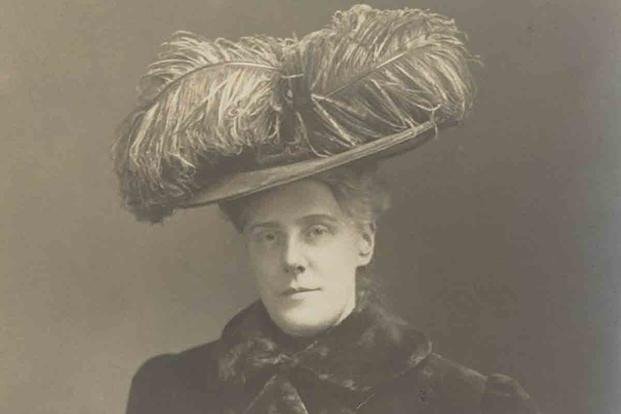
The first public “Mother’s Day for Peace” rally was held in New York City on June 2, 1872 at the inspiration of Julia Ward Howe, an ardent anti-war activist and promoter of world peace. Her 1870 Mother’s Day Proclamation passionately lamented the futile deaths in war and heralded action to stop future wars:
Arise then, women of this day! Arise, all women who have hearts…
Our sons shall not be taken from us to unlearn all that we have taught them of charity, mercy, and patience…
We women of one country will be too tender of those of another to allow our sons to be trained to injure theirs.
From the bosom of the devastated earth, a voice goes up with our own. It says, “Disarm, disarm!”…
Her Proclamation concluded calling for a congress of women all of nationalities to promote the “amicable settlement of international questions and the great and general interests of peace.”
This theme of engaging women across the world for peace has only grown more urgent. Try Googling “photos of negotiating to end war in Ukraine,” recommends Margot Wallström, Sweden’s former minister of foreign affairs: Women are largely absent. Despite a more than 20-year-old U.N. Resolution 1325 on Women, Peace, and Security that promotes including women “in all efforts for the promotion of peace and security, less that 10% of peace agreements have female signatories,” she states. Yet, research shows that with “more women involved in peace processes, more proposals are put on the table and agreements reached last longer.”
In my 2018 interview with Nigerian lawyer, mediator, peace activist, and member of WILPF Ayo Ayoola-Amale, she underscored the critical impact of women in peace negotiations. “The Liberian 2011 Nobel Prize laureate Leymah Gbowee, together with Christian and Muslim women, pressured warring parties into the 2003 negotiations that eventually ended years of horrific war in Liberia. Research has shown,” she added, “that where women’s inclusion is prioritized, peace is more probable, especially when women are in a position to influence decision making… Women take an inclusive approach whether it is stopping conflict, contributing to peace processes, or rebuilding their societies after conflict or war.”
Restoring Political Roots to Mother’s Day
For the eighth consecutive year, the Black Mama’s Bail Out initiative is posting bond on and near Mother’s Day for Black mothers in jail, women languishing in “cages” without a trial because they are too poor to post bail. Their action has highlighted the profiteering of the bail bonds industry and inspired nationwide community action. The U.S. puts more women in jails and prisons than any other country in the world. And while comprising roughly 6% of the U.S. population, Black women make up 22% of women’s imprisoned population. Most are arrested for low-level drug use, some on false charges; and most are mothers. Support Black Mama’s Bail Out fund this Mother’s Day.
Postscript
I learned recently that “More phone calls are made on Mother’s Day than on any other day of the year.” And I understand why. As a child, I loved giving my mother a card and a present on Mother’s Day as an expression of my love and respect for her, and, after leaving home, I always called her on Mother’s Day. Now I look forward to honoring my sisters, cousins, and nieces as the wonderful mothers they are. But even more urgent is restoring the spirit of our original Mother’s Day—calling for World Peace, a call that is loud, persistent, insistent, public, and passionate.
Let us also remember that mothers wake up the morning after Mother’s Day to their social, economic, and political realities: poverty and food insecurity for almost 25% of single mothers, doing most of the unpaid domestic and caregiving work at home, pay discrimination, sexual violence for one in four women, and widespread sexual harassment. Rampant injustice that our society and the world must undo if we are ever to achieve peace.

ZNetwork is funded solely through the generosity of its readers.
Donate




