

Let us, if only briefly, give thanks for the peacemakers, whatever their poor qualifications and whatever folly drove them to war in the first place. On June 15, the secretariat of Iran’s Supreme National Security Council revealed that, based on the agreement reached with the United States, “the war and military operations on all fronts, including Lebanon, will end immediately and as of tonight, and in addition, the naval blockade against Iran will end immediately and completely.” The Memorandum of Understanding between the states would be officially signed on June 19 in Geneva, with negotiations for a final solution “postponed until after the other party has fulfilled its obligations” under the MoU. Tehran also offered thanks to the good offices of Pakistan and Qatar in aiding this change of fortunes.
US President Donald Trump, a poor author in writing history’s first draft, has busied himself with various statements on Truth Social. He confirmed that a deal had been reached with Iran, while also briskly authorising “the toll free opening of the Strait of Hormuz” and “the immediate removal of the United States Naval blockade. Ships around the World, start your engines. Let the oil flow!”
In another post betraying delusions of adequacy, the president suggested that “This Great Deal will bring Peace and Security to the whole Region. Many presidents have tried to make Peace with Iran, and all have failed before me. The Leaders of the Region have, for the first time, found a President who can help them achieve real Peace.” Hard to believe that this was the same leader who went about amputating peace in the first place by commencing a war against Iran on February 28 in league with Israel.
Nothing underscores these arrangements more than a peculiar sense of returning to the beginning, or at least a smidgen of time prior to it. That beginning – February 28, 2026 – had envisaged an end of an order: a joint US-Israeli effort to hobble and topple the clerical regime of Iran through an air campaign that would never be followed by ground troops; a breathless anticipation of spontaneous uprising in the Islamic republic, however, bloody; the triumph of democracy and the elimination of regional ambitions and Tehran’s nuclear program. Along the way, the defanging of Iran’s proxy cohorts across the region, with a special focus on boxing Hezbollah in Lebanon.
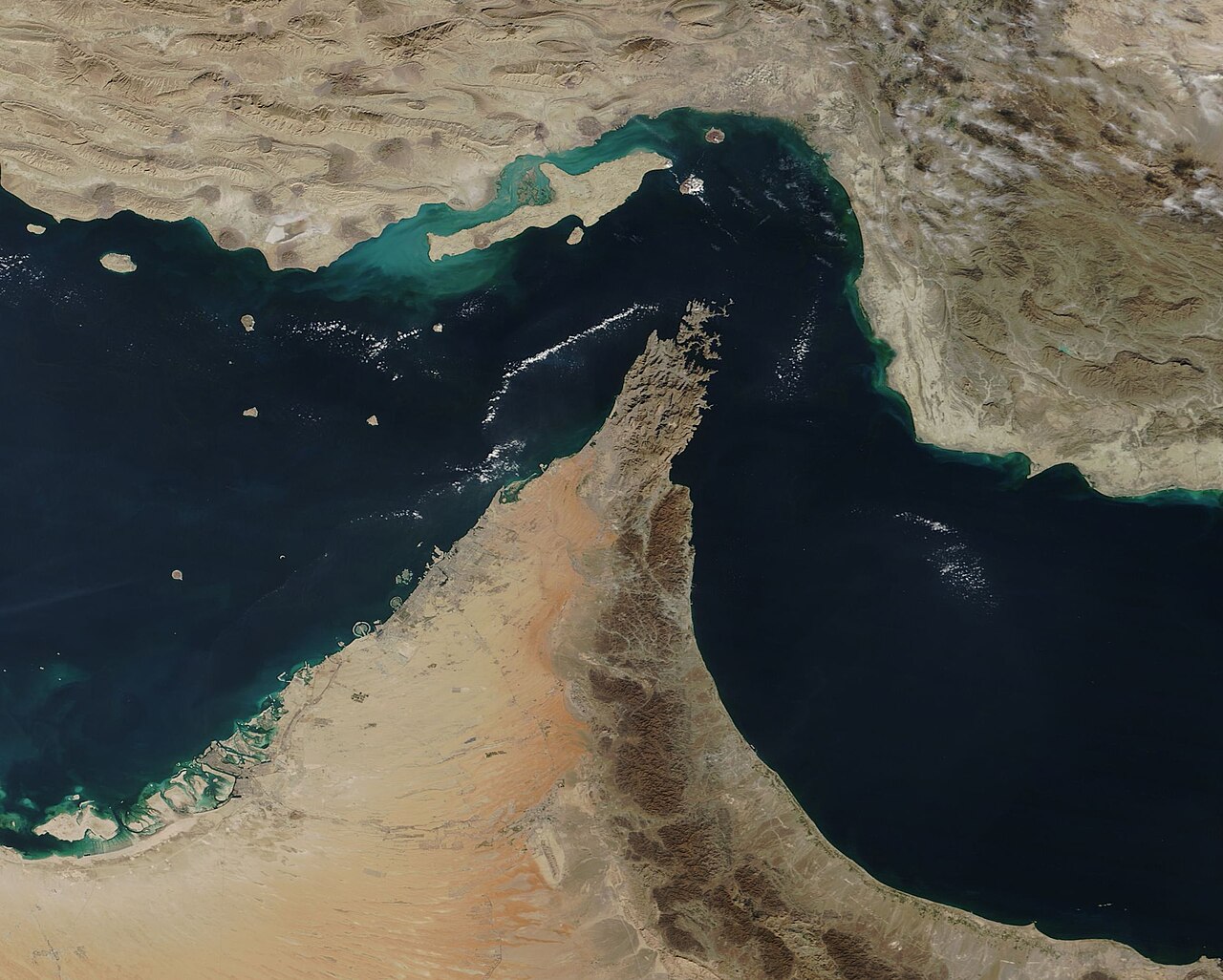
Instead, the MoU between Tehran and Washington sees the clerical regime thinned but stronger than ever (after the pruning come shoots of vigour), the guardians of the Iranian revolution hardened and an Islamic republic capable of dictating terms to a knavish superpower and its desperate, much smaller partner in crime. Iran has confirmed beyond any doubt that it can, when it wishes, close that most important of arterial routes in international trade, the Strait of Hormuz. It has shown the Arab states, and US military bases stationed therein, vulnerable to attack.
The arid, facile world of political analysis and entrail reading is still at hand to offer stunning misreadings, bulking the file of commentary that went as far as justifying the illegal attack on Iran, crowing in the murder of its leaders. Consider this distorted offering from former Pentagon official Matthew Koenig, senior director of the Atlantic Council’s Scowcroft Center for Strategy. US operations over the past twelve months had, he celebrates with armchair cluelessness, “succeeded in degrading Iran’s nuclear program, conventional military, political leadership, and defense-industrial capacity. This is a significant achievement.” This horrendous skewing is at least somewhat corrected by another Atlantic Council member, schooled in the philosophy of the bleedingly obvious. “The Iran deal is likely the best possible outcome, but it is perhaps no better than what could have been achieved had the United States pursued diplomacy rather than war in the first place,” suggests Victoria J. Taylor, director of the Council’s Iraq Initiative. Sharp observation, that.
The agreement also leaves the US embarrassingly weakened. Iran’s more modest military means, exerted with a minimum of fuss and budgetary stress, destroyed the security and business guarantee Washington had given the Gulf states. “Privately,” writes BBC veteran hack Jeremy Bowen, “their officials already talk about diversifying their allegiances, and about the necessity of finding ways to live alongside Iran”. Each announcement from the Pentagon or from the Israeli military regarding the degradation of those modest means – the destruction of ballistic missile capabilities, for instance – received firm refutation in the form of strikes on critical infrastructure across the Arab monarchies.
Should this memorandum receive signatured approval on June 19, the Iranians will find it hard not to gloat over the soup. But the next phase of talks will return to Tehran’s nuclear program and any fissile material they might have, not to mention the lifting of sanctions. This agreement is, after all, not a peace deal, merely a two-page document of 14 points. And importantly, it does not include Israel, whose stock has fallen in the White House of late even as it tries to secure large swathes of territory in southern Lebanon. (“Why did [Israeli Prime Minister Benjamin Netanyahu] have to do a fucking attack?” Trump wondered in comments made to Axios after a last-minute IDF strike on an alleged Hezbollah command centre in Beirut.)
A note of distressing irony will be struck if the next round of talks eventually produces an agreement proximate in character to the 2015 Joint Comprehensive Plan of Action, the very same pact Trump so confidently withdrew from in 2018. Less the cunning of reason in history, to annex that Hegelian phrase, than the unreasoned dithering of folly.
ZNetwork is funded solely through the generosity of its readers.
Donate




