


As Trump and Trumpism devastate the American political landscape, how can people counter this destructive juggernaut? For the past five years, I have been studying how people are actually implementing the elements of the Green New Deal through what has become a Green New Deal from Below. This framework, which ordinary people are already putting into practice, is an approach to organizing that can form a significant means for resisting and even overcoming the Trump agenda.
The Green New Deal is a visionary program designed to protect the Earth’s climate while creating good jobs, reducing injustice and eliminating poverty. The Green New Deal erupted into public attention as a proposal for national legislation, and the struggle to embody it in national legislation is ongoing.
But there has also emerged a little-noticed wave of initiatives from community groups, unions, city and state governments, Indigenous American tribes and other non-federal actors designed to contribute to the core principle of the Green New Deal: to use the necessity for climate protection as a basis for creating good jobs and social justice. The US Representative Alexandria Ocasio-Cortez, who helped start the campaign for a Green New Deal, has called it “a Green New Deal from Below”.
My new book, The Green New Deal from Below: How Ordinary People Are Building a Just and Climate-Safe Economy, details more than a 100 such initiatives in over 40 states. Some of these initiatives use names like “The DeKalb Green New Deal” and “The Green New Deal for Education”; others don’t use the moniker but apply the same principles. Here are some examples.
In DeKalb county, Georgia, on 17 September, the DeKalb Green New Deal presented a 100% clean energy and transportation transition plan. Since it started in 2020, the DeKalb Green New Deal has passed 20 climate action policies, resolutions and initiatives. A local official, Ted Terry, told a news outlet: “Our Green New Deal is specifically a DeKalb Green New Deal – it’s what we think we can do with our own resources, our own land, our own people.”
On New York’s Long Island, a co-op led by women of the Indigenous American Shinnecock Nation have fought for and are now exercising their traditional right to cultivate and harvest kelp in Long Island Sound. Their ocean farming extracts carbon and nitrogen from the polluted waters of Long Island Sound and produces an environmentally friendly alternative to fertilizer derived from fossil fuel. It is also producing jobs for impoverished tribal members. This and similar programs are often referred to as a “Blue New Deal”.
In Minneapolis, unionized workers who clean downtown commercial office high-rises struck to demand that their employers take action on climate change. The janitors, members of Service Employees International Union (SEIU) local 26 who are mostly immigrants and women, won a green education initiative that includes training in climate-friendly cleaning and building management, funded by their employers.
In Illinois, the Climate and Equitable Jobs Act, promoted by a broad coalition of labor and community groups, sets the state on a path to a carbon-free power sector by 2045 with the nation’s strongest labor and equity standards. The bill will slash emissions, create thousands of new clean energy union jobs, expand union apprenticeships for Black and Latino communities and increase energy efficiency for public schools. It also contains a transition program for families and communities currently reliant on jobs in the fossil fuel industry. Journalist Liza Featherstone has called the legislation a “miniature Green New Deal” for Illinois.
In southern states like Texas and Virginia, the Green Workers Alliance has organized poorly paid solar panel installers to establish “a strong, worker-led movement that supports the Green New Deal and a just transition to a renewable economy”. They have connected with hundreds of workers in Facebook groups and listening tours. They have won back lost wages, organized struggles against temp agency abuses and campaigned to pressure large utility companies to transition to renewable energy.
With Trump in the White House and Republicans in control of Congress we can still create local programs like the DeKalb Green New Deal with its comprehensive municipal plan for clean energy and its score of concrete climate initiatives. We can still create co-ops like the Shinnecock Kelp Farmers that protect the environment, eliminate carbon pollution, create jobs for deprived communities and increase the power of those marginalized in our political system. Workers like the union janitors in Minneapolis can organize, strike and win both better working conditions on the job and demands that their employers protect the climate.
States can follow the lead of Illinois and pass legislation to transition to carbon-free power while creating union jobs for those who need them most and providing a just transition for workers transitioning out of the fossil fuel economy. Workers in the still-burgeoning green industries can organize both to challenge employer abuses and to fight to expand renewable energy to create good jobs and protect the climate.
One of the leading proponents of a Green New Deal from Below is Michelle Wu, the mayor of Boston. Her programs have included solarization and resilience in poor neighborhoods, a massive construction program called the Green New Deal for Boston Public Schools, a Youth Clean Jobs Corp, and provision of free, nutritious breakfasts and lunches to all of Boston’s 50,000 public school students, prepared by an employee- and Black-owned food service company.
Wu has already shown how action by a Green New Deal from Below can resist the coming Trump onslaught. On 12 November she told the Boston Globe that the city’s authorities will not assist federal law enforcement in any mass deportation efforts and pledged to fight the fear that might take hold among some Bostonians when President-elect Donald Trump takes office.
The role of the Green New Deal from Below in the Trump era can go beyond such defensive measures. To paraphrase Wu, the impact of the Green New Deal has been to “expand the sense of what is possible”. A core goal of Trump and Trumpism is to obliterate that sense of possibility – the knowledge that through collective action people can improve their lives and their world. The Green New Deal from Below resists that obliteration, with people organizing to build the blocks of possibility right in their own backyards.

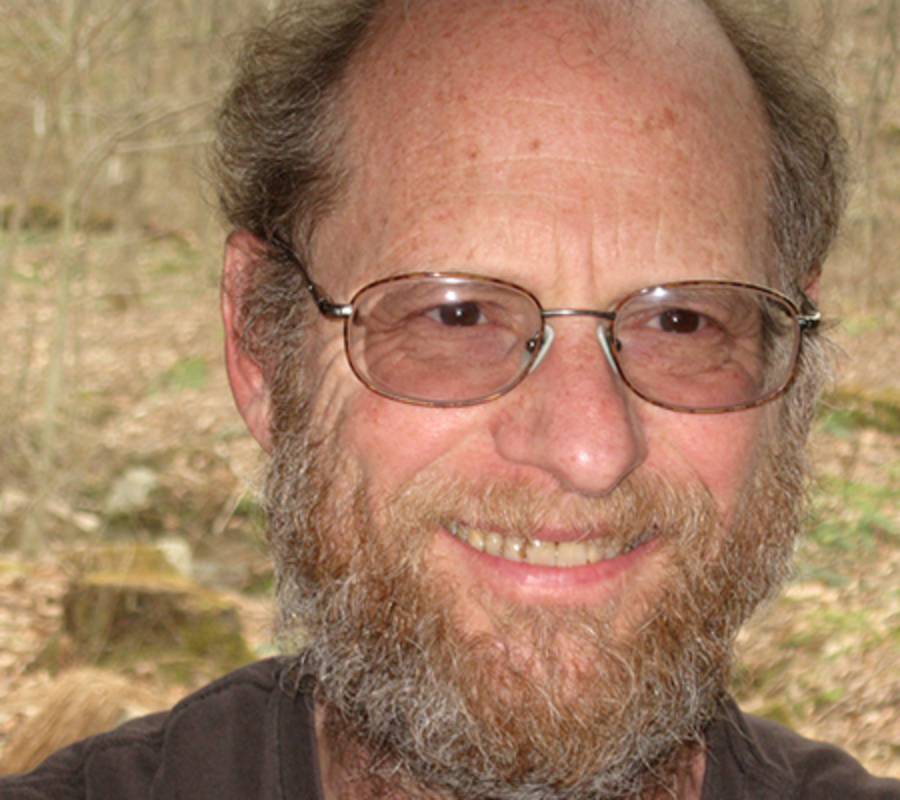
Jeremy Brecher is a historian, author, and co-founder of the Labor Network for Sustainability. He has been active in peace, labor, environmental, and other social movements for more than half a century. Brecher is the author of more than a dozen books on labor and social movements, including Strike! and Global Village or Global Pillage and the winner of five regional Emmy awards for his documentary movie work.
ZNetwork is funded solely through the generosity of its readers.
Donate




