


BAGHDAD, Feb 23 (IPS) – Iraqi journalists are outraged over yet another U.S. military raid on the media.
U.S. soldiers raided and ransacked the offices of the Iraq Syndicate of Journalists (ISJ) in central Baghdad Tuesday this week. Ten armed guards were arrested, and 10 computers and 15 small electricity generators kept for donation to families of killed journalists were seized.
This is not the first time U.S. troops have attacked the media in Iraq, but this time the raid was against the very symbol of it. Many Iraqis believe the U.S. soldiers did all they could to deliver the message of their leadership to Iraqi journalists to keep their mouth shut about anything going wrong with the U.S.-led occupation.
“The Americans have delivered so many messages to us, but we simply refused all of them,” Youssif al-Tamimi of the ISJ in Baghdad told IPS. “They killed our colleagues, closed so many newspapers, arrested hundreds of us and now they are shooting at our hearts by raiding our headquarters. This is the freedom of speech we received.”
Some Iraqi journalists blame the Iraqi government.
“Four years of occupation, and those Americans still commit such foolish mistakes by following the advice of their Iraqi collaborators,” Ahmad Hassan, a freelance journalist from Basra visiting Baghdad told IPS. “They (the U.S. military) have not learned yet that Iraqi journalists will raise their voice against such acts and will keep their promise to their people to search for the truth and deliver it to them at any cost.”
There is a growing belief in Iraq that U.S. allies in the current Iraqi government are leading the U.S. military to raid places and people who do not follow Prime Minister Nouri al-Maliki’s directions.
“It is our Iraqi colleagues who pushed the Americans to that hole,” Fadhil Abbas, an Iraqi television producer told IPS. “Some journalists who failed to fake the truth here are trying hard to silence truth seekers by providing false information to the U.S. military in order to take advantage of their stupidity in handling the whole Iraqi issue.”
The incident occurred just two days after the Iraqi Union covering journalists received formal recognition from the government. The new status allowed the Syndicate access to its previously blocked bank account, and it had just purchased new computers and satellite equipment.
“Just at the point when the Syndicate achieves formal recognition for its work as an independent body of professionals, the American military carries out a brutal and unprovoked assault,” International Federation of Journalists General Secretary Aidan White said in a statement. “Anyone working for media that does not endorse U.S. policy and actions could now be at risk.”
The raid was a “shocking violation of journalists’ rights,” White said. “In the past three years more than 120 Iraqi journalists, many of them Syndicate members, have been killed, and now their union has been turned over in an unprovoked act of intimidation.”
“The Americans and their Iraqi government followers are destroying social activities and civil unions so that no group can oppose their crimes and plans,” 55-year-old lawyer Hashim Jawad of the Iraqi Lawyers Union in Baghdad told IPS. “The press is our remaining lung to breathe democracy in this country and now it is being targeted.”
The Press Emblem Campaign (PEC), an independent humanitarian association based in Geneva which seeks to strengthen legal protection and safety of journalists around the world also strongly condemned the U.S. military raid.
The media watchdog group Reporters Without Borders lists at least 148 journalists and media workers killed in Iraq since the beginning of the U.S.-led invasion in March 2003.
The group also compiles an annual Press Freedom Index for countries around the world. In 2002, under Saddam Hussein’s rule, Iraq ranked 130. In the 2006 index, Iraq fell to position 154.
The same index listed the U.S. at 17 in 2002, a rank that fell to 56 by 2006.
The Brussels Tribunal, a group of “intellectuals, artists and activists who denounce the…war,” lists the names, dates and circumstances in which 191 media professionals of Iraqi nationality have been killed.
The PEC and the other watchdogs have requested the Iraqi government to launch an immediate inquiry into the attack.
“I only wish the U.S. administration and our government would stop lying about freedom in Iraq,” Mansoor Salim, a retired journalist, told IPS. “How stupid we were to have believed their statements about freedom. I admit that I was one of the fools.”
(Ali al-Fadhily is our Baghdad correspondent. Dahr Jamail is our specialist writer who has spent eight months reporting from inside Iraq and has been covering the Middle East for several years.)

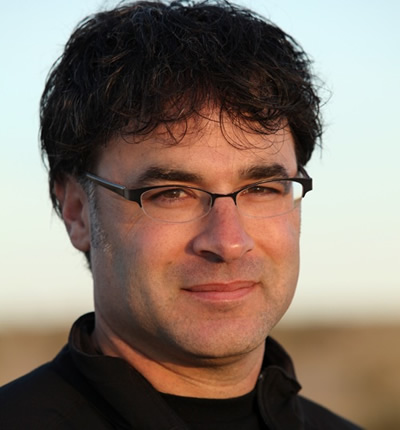
Dahr Jamail is the Baghdad correspondent for The NewStandard. Jamail, a political activist from Anchorage, Alaska, first traveled to Iraq in November 2003 to write about the effects of the US occupation on the Iraqi people. After nine weeks covering Iraq under occupation, he returned to the US and addressed audiences in Alaska and the Northeast about his experience. He has recently returned to Iraq in order to continue reporting on US occupation and privatization. You can view his dispatches and articles at http://newstandardnews.net/iraq.
ZNetwork is funded solely through the generosity of its readers.
Donate




