


A single market, a single currency, a single language? The doors and bridges shown on Euro notes already reflect the fluid nature of deals between businessmen with no home and no history. So should students be free to cross borders, using English as a passport valid everywhere (especially in French universities), with no need for dictionaries?
We are told that French universities, like the rest of France, are “bemused”: the people in them still speak French… The minister for higher education and research, Geneviève Fioraso, wants to get rid of this language barrier that discourages “students from emerging countries — Korea, India, Brazil” from coming to France.
Yet the language of Molière is officially spoken in 29 countries (the language of Shakespeare in 56). And the number of French speakers is steadily increasing, especially in Africa. But France does not want African students, to judge by the obstacle course it imposes on them: they are not rich enough, not prepared to pay the (substantial) fees charged by commercial colleges or engineering schools. In US universities, where the proportion of foreign students (3.7%) is much lower than in France (13%), there has been no attempt to make up the deficit by teaching in Chinese or Portuguese. But Fioraso claims, slightly ironically: “If we do not allow courses to be conducted in English, we shall be left with five people sitting round a table discussing Proust”. Before Fioraso, Nicolas Sarkozy made clear his contempt for the humanities by pitying students who were forced to read Madame de La Fayette’s novel La Princesse de Clèves instead of studying law or business.
The 1994 Toubon law provides that “the language of instruction, examinations and competitive examinations, as well as theses and dissertations in state and private educational establishments, shall be French.” A few eminent academics object to this 20th-century provision on the ground that if we defend multilingualism (still very much alive in most international organisations in the 21st century), it will deter English-speakers from studying in Paris (1).
But the attractiveness of a language is not just about the sale of higher education to “emerging” countries. It is the product of a manner of communication, of thinking about the world now and the world to come. France has struggled to defend its cinema and songs: must it accept that research and science will be one day be conducted exclusively in the (often mangled) language of the current superpower?
The linguist Claude Hagège says that “the paradox is that today the people who are responsible for Americanisation and the promotion of English are not American.” Fortunately, people who are not French (notably in Africa and Quebec) have enabled cultural diversity to flourish. Political leaders should be inspired by their tenacity, not by the foolish fatalism of a few academics.

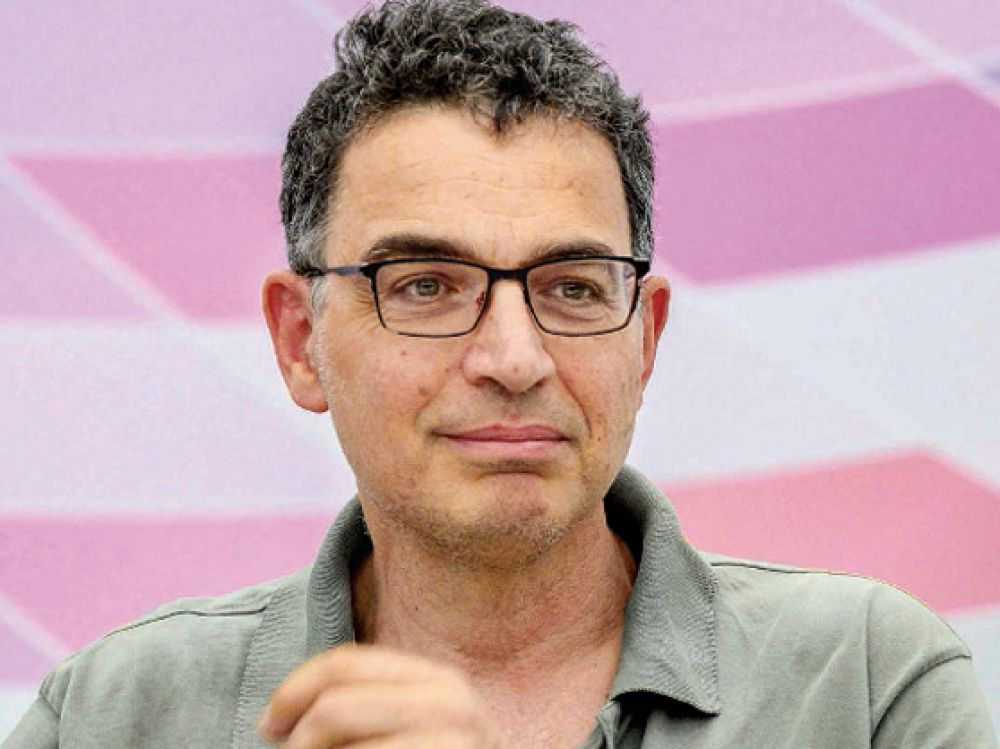
Serge Halimi writes for le Monde diplomatique (www.mondediplo.com) and is the author of Le Grand Bond en Arrière: Comment l'ordre libéral s'est imposé au monde (The Great Leap Backward: How the liberal order was imposed on the world)
ZNetwork is funded solely through the generosity of its readers.
Donate




