

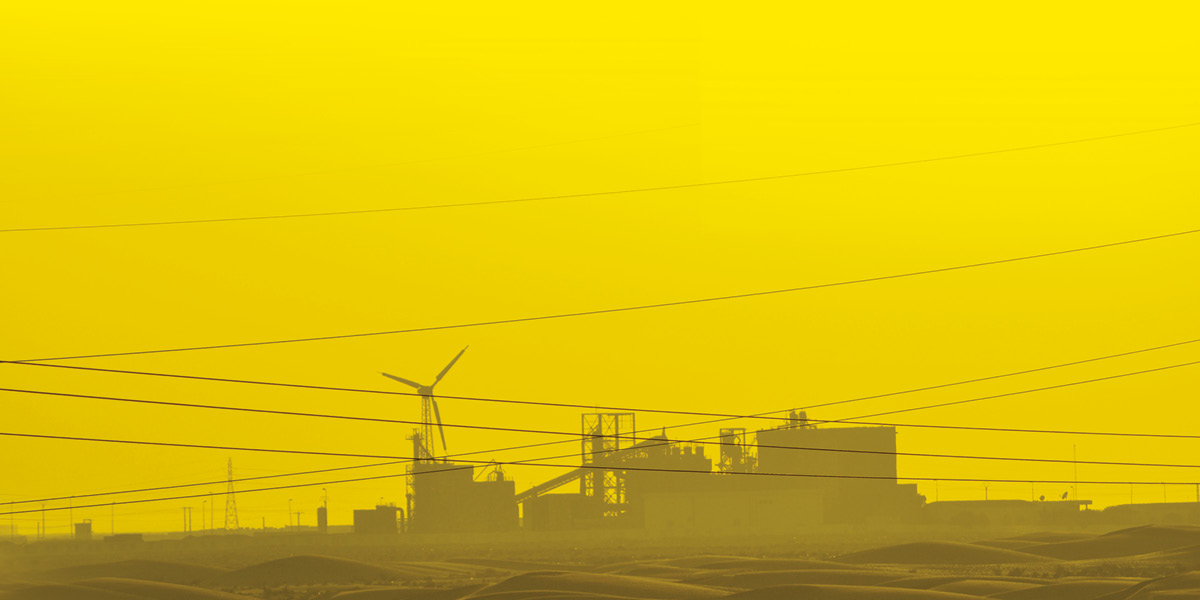
Infinite extraction and consumption are impossible on a planet with finite resources. Tackling the climate crisis demands that we re-examine our relationships with the Earth and each other. Corporations and wealthy countries, forced to grapple with their devastating addiction to fossil fuels, are now making moves towards ‘green’ energy. But this is triggering a new wave of displacement and dispossession in the global south. Ecosystems across Asia, Africa, and Latin America are being plundered for the so-called ‘critical’ minerals needed for renewable energy production, powering everything from electric batteries to wind turbines.
Neo-colonial mindset
This new wave of extraction is driven by the same logic that caused the climate crisis – the maximisation of profits for the few at the expense of the many. It’s the same extractivist approach behind the injustices of colonialism and neo-colonialism, sacrificing global south communities, people and territories to fuel global north ‘development’.
Global south economies remain subordinate. They provide cheap resources and labour, and serve as markets for industrialised economies. This neo-colonial status quo remains unchallenged, maintained by new tools of imperial subjugation – crippling debts, ‘free trade’, structural adjustment programmes imposed by international financial institutions and others.
As long as the political, economic and social structures perpetuating injustice remain unaltered, the proposed transition by the global north is merely an evolution of longstanding colonial relationships. The race towards ‘green’ technologies implies a massive wave of resource extraction. This rush feeds the demand for materials such as cobalt, lithium and balsa wood in the north, while perpetuating socio-economic exclusion and injustices in the south.
The drivers of this new extraction wave, the multinational corporations and global north governments, are keen to maintain business as usual under the guise of decarbonisation. But addressing the climate crisis involves examining the deep connections between fossil fuels and the broader economy, challenging the power dynamics of the international energy system and integrating issues such as workers’ rights, biodiversity loss, ecosystem destruction and equitable resource use.
Renewable El Dorado
The Sahara represents a supposed El Dorado of renewable energy. But this deceptive narrative overlooks questions of ownership and sovereignty and masks ongoing global relations of hegemony and domination.
This facilitates the plunder of resources, privatisation of commons and dispossession of communities.
It consolidates undemocratic and exclusionary ways of governing the transition. Examples from Morocco (see below) demonstrate how energy colonialism is reproduced in the transition to renewable energy, a process sometimes referred to as green colonialism or ‘green grabbing’.
Land has been appropriated for ‘green’ projects, as in the Ouarzazate and Midelt solar plants (see below), disregarding local consent, depleting scarce water supplies in semi-arid regions and increasing the national debt burden.
Eco-social manifesto
Global south communities, historically at the frontlines of colonialism and now the climate crisis, continue to struggle for justice. From Saharawi communities asserting their self-determination amid green energy exploitation, to Nigerian social movements suing Shell for environmental damages, to indigenous communities protecting biodiverse rainforests from corporations in Brazil, overcoming intersecting socio-ecological crises necessitates the defence, celebration and understanding of diverse, non-extractive ways of living.
These communities came together in February 2023 to create the ‘Manifesto for an Eco-social Energy Transition’. Born from a coalition of communities, intellectuals and movements in the global south, it champions a radical eco-social transition that tackles not only the energy sector but also the industries dependent on extensive energy inputs. The manifesto puts forward a just and democratic transition that nurtures social and environmental justice, embeds egalitarian and democratic values, and restores planetary harmony.
It underscores the necessity for actions beyond simple decarbonisation, calling for a rejection of false climate ‘solutions’, green colonialism and exploitative trade agreements, while advocating climate reparations, protection of human rights defenders and the eradication of energy poverty.
Bold visions such as this are redefining the possibilities of an equitable transition. With its roots in alliances forged between workers in polluting industries and frontline communities in the Americas, the movement for a just transition represents a global effort to tackle the intertwined issues of environmental degradation, wealth inequality and labour exploitation that disproportionately affect marginalised communities.
Tackling the environmental crisis separately from socioeconomic structures results in false solutions. An energy transition that turns a blind eye to the livelihoods and dignities of workers and communities at the frontlines is a hollow gesture, an unjust transition.
Case Study: Energy injustice in Morocco
– Launched in 2016, the Ouarzazate solar plant posed concerns about consent from the indigenous Amazigh communities and exacerbated public debt. High water usage from the plant has also strained local resources
– The Noor Midelt project aims to outdo Ouarzazate in energy production, but local Sidi Ayad tribe protests due to land confiscation highlight its social costs. It is also escalating public debt
– Renewable energy projects in the Western Sahara have been accused of ‘green colonialism’, involving foreign capital and companies in deepening Morocco’s hold on occupied territories
Post-extractive futures
‘Post-extractivist’ alternatives seek to move our economies from extraction to regeneration, valuing our profound connection to the Earth and the life it supports. These visions are grounded in the knowledge of indigenous peoples, who have long understood the importance of harmony with the land.
For instance, and in line with the path towards a just transition, post-extractivism argues that instead of swapping petrol or diesel cars for electric ones, we should prioritise high-quality, affordable and energy-efficient public transport. This would boost mobility for everyone, reclaim green spaces and improve air quality.
Decreased demand for resources could lead to reduced mining, respecting the needs and rights of local communities. Similarly, retrofitting homes with insulation increases energy efficiency, slows global heating, and reduces bills, while creating good green jobs.
The climate crisis and the transition offer an opportunity to reshape our political landscape away from militaristic, colonial and neoliberal paradigms. This vision resonates with calls for popular sovereignty, sustenance, freedom and social justice reverberating across social movements. It invites us to shift our societal values from extraction and exploitation towards preservation and respect for all life forms, dismantle power and influence structures, and create alternatives centering communities, ecosystems and biodiversity in our global system.
ZNetwork is funded solely through the generosity of its readers.
Donate




