


Norman Solomon
A
public-interest group is urging sportswriters to resist a free-enterprise wave
of the future. "Corporations are seizing the names of our beloved parks and
stadiums, and replacing these with their own," Commercial Alert complains
in a letter that arrived in early summer at newspaper offices across North
America. The organization adds: "There is no law that says that you have to
call a sports venue what a big corporation wants you to call it."
In
recent years, several dozen companies have bought major-league naming rights.
Baseball teams now play in Tropicana Field (Tampa Bay), Bank One Ballpark
(Phoenix), Coors Field (Denver), Network Associates Coliseum (Oakland), Pacific
Bell Park (San Francisco) and Safeco Field (Seattle). Pro basketball games are
happening at branded sites from Continental Airlines Arena in northern New
Jersey to American Airlines Arena in Miami to Arco Arena in Sacramento. Football
and hockey are in the same groove.
A
decade ago, we might have been very surprised to see the Washington Redskins
playing host to gridiron foes at a place called FedEx Field. Today — "to
help us stop the commercial degradation of sports" — Commercial Alert
wants sportswriters and fans to call stadiums "by their nicknames, not
corporate names." But such advice runs counter to the current momentum.
The
logic of auctioning off the rights to name public places is often remarkable.
For instance, your local library system might be called the Starbucks Public
Library or the Random House of Books. This would guard against tax levies and
prevent the need to increase library fines or charge admission.
Likewise,
museums that drain the U.S. Treasury could pay their own way. One day, we might
matter-of-factly refer to the Smithsonian Burger King Museum. And private
cultural institutions could also balance their books while participating in the
entrepreneurial renaissance. New York’s famed Guggenheim Museum and the
Metropolitan Museum of Art could become Nike Museum and the Exxon Mobil Museum
of Art.
Children
who go to public school now routinely wear shirts without paying attention to
the values of the dollar. Instead of freeloading their way through childhood
with some kind of anachronistic nod to a welfare state, students could meet
taxpayers partway by submitting to the discipline of wearing t-shirts with
specified commercial logos, as per contracts negotiated between school districts
and corporations.
Given
the importance of wiping out vestiges of New Deal sentimentalism, Social
Security could be named something like the Citibank of America System. Other
public-sector naming rights could be opened to competitive bids. And because the
goal of reducing taxes runs parallel to a multitude of privatization options, it
would be shortsighted to bypass a potentially great source of federal revenues
— the renaming of monuments.
The
magnificent marble shrines dedicated to our third and sixteenth presidents could
draw capitalization from aesthetically minded firms that wish to combine
reverence for heritage with promotion of their cutting-edge technologies. How
about the Jefferson/Cisco Memorial and the Lincoln/Microsoft Memorial?
The
Pfizer drug conglomerate would pay a pretty penny for a multi-year lease on the
Washington Monument’s naming rights. "The Viagra Monument" might sound
strange at first but soon could roll off millions of tongues as easily as
"FedEx Field."
Then
there’s the Capitol Building. A tasteful sign across the front facade might
identify the national legislature as the U.S./AOL Time Warner Congress. To
defray some of the governmental operating costs that burden every working
American, both chambers could bear additional names such as the Disney Senate
and the Viacom House of Representatives. Nearby, the General Electric Supreme
Court might serve us well.
Meanwhile,
rather than allowing the mansion at 1600 Pennsylvania Ave. to continually
deplete the public coffers, any president with a bipartisan spirit would be
pleased to live in the AT&T White House, honoring a firm that has given
millions to both the Democratic and Republican parties. And there are plenty of
other opportunities to gain top dollar from the corporate community.
So,
let’s start getting used to the kind of news broadcasts that we can learn to
accept as perfectly normal: "Speaking in the Dow Chemical Rose Garden
today, the president called on the AOL Time Warner Congress to boost
appropriations for the Merrill Lynch Kodak Defense Department. The Secretary of
McDonald’s State urged full appropriations for the Fox Dreamworks Space Weapons
Station and added that further deployment of Philip Morris nuclear missiles will
be necessary in order to safeguard the security of the United States of Archer
Daniels Midland America…"
Norman
Solomon is a syndicated columnist. His books include "The Trouble With
Dilbert: How Corporate Culture Gets the Last Laugh."

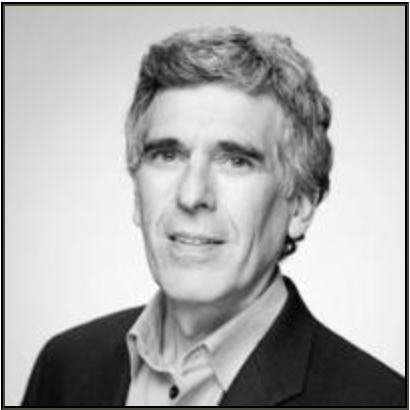
Norman Solomon is the national director of RootsAction.org and executive director of the Institute for Public Accuracy. The paperback edition of his latest book, War Made Invisible: How America Hides the Human Toll of Its Military Machine, includes an afterword about the Gaza war.




