


Projection is a psychological hazard of politics. What’s "obvious" to some doesn’t occur to others. So, these days, it’s hardly reassuring when some progressives roll their eyes at the latest McCain-Palin maneuver and express confidence that few voters will be swayed by the latest slimy attacks on Barack Obama.
The poll numbers so far this month, combined with ample media hype, have fostered the belief that the current economic crisis is close to dooming the McCain campaign. But any crystal ball that offers assurance of an Obama victory is a piece of junk.
Twenty years ago, presidential nominee Michael Dukakis emerged from the Democratic National Convention with a 17-point lead in a Gallup Poll. One of the main reasons that the lead disappeared was a scurrilous TV ad, linking Gov. Dukakis to a prisoner who committed a rape during a weekend furlough. The commercial included an ominous photo of the African-American convict, Willie Horton.
Now, a "Willie Ayers" ad is getting plenty of media attention, and Sarah Palin is accusing Obama of "palling around with terrorists." The McCain campaign is eager to implement desperate measures for its desperate times — making preposterous claims to link Obama with terrorism — scraping toward the bottom of the barrel and heaving larger quantities of mud.
Any confidence that such tactics will have scant effect on the electorate is misplaced.
There’s also the matter of race — and, more to the point, racism. "Many older Democrats quietly admit they will not vote for Mr. Obama because they fear he would put too many blacks in power, or be hamstrung in office by racial opposition," the New York Times reported from Florida on Oct. 4.
This fall, no one knows exactly how much we’ll see of the "Bradley effect" — named after the defeat of the black mayor of Los Angeles, Tom Bradley, who received conspicuously fewer votes from whites than election-eve polling had predicted when he ran for governor in 1982.
Polls involving a black nominee "have tended to undersell the level to which race negatively impacts voting — particularly among whites," political reporter Chris Cillizza wrote on washingtonpost.com four months ago. "That is, a black candidate tends to underperform his or her polls on Election Day, as some voters who may have told a pollster they would support an African-American candidate ultimately decide against doing so."
The Bradley effect has a long history, Cillizza noted. "In other races involving a black candidate — most notably Charlotte Mayor Harvey Gantt’s candidacies against Sen. Jesse Helms in 1990 and 1996 as well as L. Douglas Wilder’s victorious run for the Virginia governor’s mansion in 1989 — the Bradley effect came into play."
Some political analysts say that the Bradley effect has diminished and will have little or no impact on Obama. Maybe they’re right. But I doubt it.
Along with throwing mud and benefitting from racism, McCain stands to gain from the fact that the national Republican Party now has a lot more money in the bank than the Democratic Party does. And in many states, a wide range of anti-democratic measures — including purges of voter rolls and very unreasonable requirements for voter ID on Election Day — will work to the benefit of the McCain-Palin ticket.
Overall, the polls showing Obama with a sizeable lead should be taken with a box of salt. The count on election night could be close. In the meantime, McCain can only benefit when progressives assume he’ll lose.
Such rosy assumptions are dangerous. They’re apt to result in overconfidence, reducing volunteer energy and voter turnout for Obama.
Assume that the economic crisis has doomed the McCain campaign? He hopes you will.
Norman Solomon was an elected Obama delegate to the Democratic National Convention. His book "War Made Easy: How Presidents and Pundits Keep Spinning Us to Death" has been adapted into a documentary film of the same name. For information, go to: www.normansolomon.com

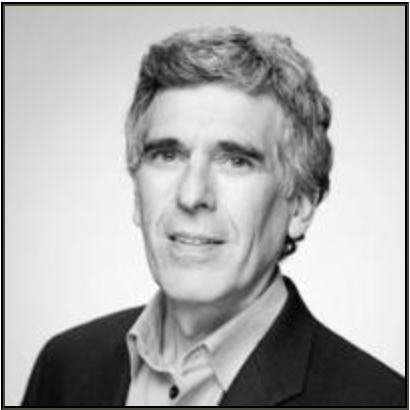
Norman Solomon is the national director of RootsAction.org and executive director of the Institute for Public Accuracy. The paperback edition of his latest book, War Made Invisible: How America Hides the Human Toll of Its Military Machine, includes an afterword about the Gaza war.




