


The citadel of scientific fraud has now begun to crumble.
The virus-resistant sweet potato, donated by Monsanto to Kenya Agricultural Research Institute (KARI), has been found to be susceptible to viral attacks. This is the same sweet potato that a black African woman, in her colourful traditional dress, has used in her non-stop global sermons on feeding the hungry in Africa. Sponsored by the US Agency for International Development (USAID) and Monsanto, Dr Florence Wambugu of KARI, has gone around the world telling how the transgenic potato could raise the crop yield from four to ten tonnes per hectare.
Reports now indicate that the transgenic sweet potato yields less than the traditional varieties. In other words, knowing that the transgenic sweet potato wouldn’t work, Dr Florence Wambugu, had faked it.
His warning went unheard. Meanwhile, World Bank, USAID and Monsanto continue to sponsor her research project running for over 12 years now, involving 19 researchers, 16 of them with PhDs, something unusual for Africa. If only the US $ 6 million that has been incurred on her research project had been used for fighting hunger, more than six million impoverished Africans could have been fed adequately for as many as six years.
The sweet potato debacle is the latest in the series of flops that have tumbled out from the GM industry laboratories, and that too in the name of ameliorating hunger and building food security. Ever since the days of the Flavr Savr tomato, the magic bullets of technology have failed to enthuse the farmers and the consumers alike. The ‘golden rice’, the protein-rich potato in India — protrato, and now the fall of the transgenic sweet potato in Africa, are all classic examples of the great exercise in public deception.
Drawing on the official records of the US Department of Agriculture, Charles Benbrook of the Northwest Science and Environment Policy Centre at Idaho (USA), concludes that the planting of 55 million acres of genetically engineered (GE) corn, soybeans and cotton in the United States since 1996 has increased pesticide use by about 50 million pounds.
Benbrook says that many farmers have had to spray incrementally more herbicides on GM crops in order to keep up with shifts in weeds toward tougher-to-control species, coupled with the emergence of genetic resistance in certain weed populations. For the developing countries, the implications of this study are enormous and of course serious. Agribusiness companies will exploit the small farmers pushing them more into a debt trap and at the same time do more damage to the environment and crop sustainability.
The Bt cotton crop has, meanwhile, failed in the very first year of planting in large parts of the country. While the farmers suffered, the company that sold the seed has gone scot-free. By the time the farmers wake up to the damage done by the Bt crop to the environment as well as the economy, the seed companies will bring in the next generation transgenic. Agribusiness industry had done exactly the same in the past five decades, bringing in more potent chemicals each time the insect developed resistance to the pesticides. In the bargain, the number of problem insects in cotton that the farmers are now confronted with has multiplied to 70. In the 1960s, only seven crop pests worried the farmers. In three decades, the problem pests have multiplied by ten times.

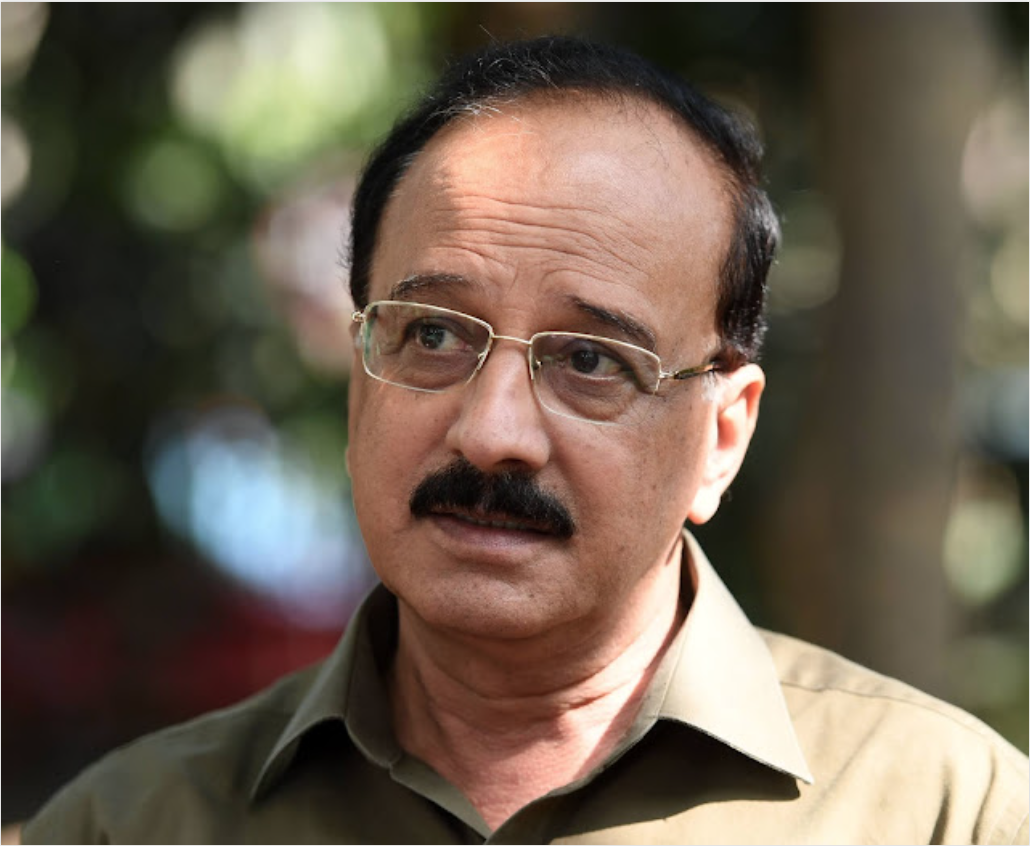
Devinder Sharma is an award-winning journalist, writer, thinker, and researcher known for his views on food and trade policy. Trained as an agricultural scientist (he holds a Master’s in Plant Breeding & Genetics), Sharma wrote for the Indian Express, and then quit active journalism to research on policy issues concerning sustainable agriculture, biodiversity and intellectual property rights, environment and development, food security and poverty, biotechnology and hunger, and the implications of the free trade paradigm for developing countries. He has been awarded with the honorary degree of Professor at Large by the CSK Himachal Pradesh Agricultural University, Palampur (India), and also has been a Visiting Fellow to the International Rice Research Institute, in the Philippines; Visiting Fellow at the School of Development Studies at the University of East Anglia, Norwich (UK); and a Visiting Fellow at the University of Cambridge (UK). Sharma is associated with numerous national and international organizations, civil society groups and farmers organisations. He also on the board of half a dozen national and international organizations, and is also a member of the CGIAR’s Central Advisory Service on Intellectual Property Rights.




