


Norman Solomon
After
a decade filled with round-the-clock media sensations, we finally ended up with
one that’s truly portentous. The post-election battle for the White House has
stood in sharp contrast to countless ersatz stories that gained enormous
coverage during the 1990s. The warfare between Al Gore and George W. Bush is
certainly historic — but this partisan version of a demolition derby may not be
as profound as we think.
The
sizzling media fixations of yesteryear now seem notably trivial. In retrospect,
how would you rank the conflict between skaters Tonya Harding and Nancy Kerrigan?
All the obsessive and protracted O.J.-mania? The cable-TV-driven frenzy over
little Elian?
After
such breathless stories, the network anchors have been proud to report on the
truly weighty spectacle of Gore and Bush operatives going all-out. But
ironically, the "better" this story got — the more that Democrats and
Republicans clashed, litigated and spun at a frenetic pace — the farther it
moved from the essence of political leverage in America.
Nearly
3,000 years ago, the Greek poet Homer was serving as a darn good media critic
when he lamented: "We mortals hear only the news, and know nothing at
all."
A
few centuries after Homer, another poet — an English guy named Francis Quarles
— offered some advice that still resonates with wisdom. "Let the greatest
part of the news thou hearest be the least part of what thou believest, lest the
greater part of what thou believest be the least part of what is true."
Fast
forward to 1920, when the great writer and hell-raiser Upton Sinclair observed,
"Journalism in America is the business and practice of presenting the news
of the day in the interest of economic privilege."
In
the waning weeks of 2000, journalists and many of the rest of us have been
transfixed with the slugfest in Florida. Each twist and turn of the story took
us further away from the strongest muscle behind American politics — big money.
If
we’re attentive to breaking news, we’re apt to know a lot of isolated facts. But
truth is another matter.
Sure,
there’s been plenty of dramatic entertainment. For instance, on the night of
Nov. 21, when the Florida Supreme Court announced its decision about manual
recounts, the partisan theater was superb. Gore read from another solemn and
carefully calibrated script. Minutes later, Bush strategist James Baker stepped
in front of cameras to drawl invective through clenched teeth.
But
in many respects, the Gore-Bush contest during the final weeks of November has
been a colossal sideshow. Yes, it’s important. But is it profoundly important?
On
the surface, in news coverage of historic events, what we see is what we get.
But what about what we don’t see?
"In
the American republic," journalist Walter Karp wrote in 1989, "the
fact of oligarchy is the most dreaded knowledge of all, and our news keeps that
knowledge from us." His words, first appearing in Harper’s magazine, are
even more acutely relevant today. "By their subjugation of the press, the
political powers in America have conferred on themselves the greatest of
political blessings — Gyges’ ring of invisibility."
If
a wealthy few have inordinate power to dominate government decision-making, and
most of their manipulations occur behind Oz-like curtains, then what are we to
make of the feverish media spectacle now unfolding in Florida?
Initially,
Democrats claimed that their opponents were trying to "steal the
election." Especially after the state Supreme Court’s Nov. 21 ruling,
Republicans have made similar assertions. As usual, the most vitriolic charges
flooded into the news media on condition of anonymity — a timeworn way of
making ugly accusations without standing behind them.
A
convincing case could be made — but you won’t hear it on network television —
that the 2000 presidential election was stolen a long time ago by both of the
two major parties as they ran campaigns fueled with hundreds of millions of
dollars from wealthy individuals and large corporations. No matter who the next
president turns out to be, those benefiting from the fact of oligarchy have
already won. Most Americans have good reasons to count themselves among the
losers.
___
Norman
Solomon is a syndicated columnist. His latest book is "The Habits of Highly
Deceptive Media."

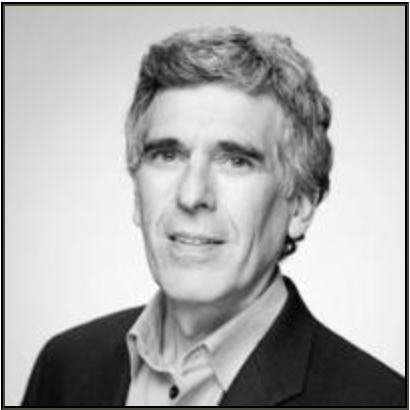
Norman Solomon is the national director of RootsAction.org and executive director of the Institute for Public Accuracy. The paperback edition of his latest book, War Made Invisible: How America Hides the Human Toll of Its Military Machine, includes an afterword about the Gaza war.




