


Get ready for a special tour of a renowned outlook, conjured from the writings of syndicated New York Times columnist Thomas Friedman. As the leading media advocate of ?free trade? and ?globalization,? he is expertly proficient at explaining the world to the world. If we could synthesize Friedman?s brain waves, the essential messages would go something like this:
Silicon chips are the holy wafers of opportunity. From Bangalore to Bob?s Big Boy Burgers, those who understand the Internet will leave behind those who do not.
I want to tell you about Rajiv/Mohammed/George, now doing awesome business in Madras/Amman/Durham. Only a few years ago, this visionary man started from scratch with just a vision — a vision that he, like me, has been wise enough to comprehend.
So, Rajiv/Mohammed/George built a business on the digital backbone of the new global economy. Now, the employees fill orders on a varying shift schedule, and time zones are always covered. Don?t ask what they?re selling — that hardly matters. They?re working in a high-tech industry, and the profits are auspicious. This is the Future. And it is good. Fabulous, actually.
Traveling the world as I do, I understand that the world is best understood by people who travel the world as I do.
The future is innovation across borders. The entrepreneur who finds a good Web designer on another continent really impresses me. Have I mentioned yet that the Internet really impresses me? It really does. Those who aren?t suitably impressed by IT will be left behind.
As a journalist who visits one country after another, I feel intoxicated by the Internet. And why shouldn?t I be upbeat? I?m not one of the dead-end-job workers who can look forward to mind-glazing drudgery in front of computer screens as far as the eye can see.
For me, and for investors and managers who take me around, what?s not to like? Commerce is about selling things, providing services, expanding markets. All that is so good.
Let?s face it — at this point I?m a rich guy, and I work for a newspaper run by guys who are even richer than I am. They?re gaga about what we like to call globalization. So am I. We?re a perfect match.
As a matter of fact, just about any big media outlet in the USA is run by managers who work for owners who?re gaga for globalization. We don?t mention that there are significant limits on our enthusiasm. Of course we don?t want to globalize labor unions! We don?t want to globalize powerful movements for environmental protection! We don?t want to globalize movements against war!
Speaking of war: I cheered the invasion of Iraq and kept applauding for a long time afterward. I lauded the war effort as glorious and noble — and, on the last day of November 2003, I even likened the U.S. occupation of Iraq to the magnanimity of the Marshall Plan.
And if U.S. troops had been able to kill enough Iraqi troublemakers early enough to quell the resistance, I would have remained an avid booster of the war. There?s no business like war business — that?s why I recycled my clever slogan ?Give war a chance? from the 1999 air war on Yugoslavia to the 2001 military assault on Afghanistan.
But I like winning. That?s why I kept praising Defense Secretary Donald Rumsfeld when he looked like a winner, and now I keep deploring him because he looks like a loser.
Overall, I get to boil down the world to metaphors of my own choosing. If I were one of the anti-corporate-globalization people and I used the same kind of simplistic metaphors, I?d be the object of derision and scorn. But I?m not — so get used to it!
Never let it be said that leading U.S. pundit Thomas Friedman has to live with the consequences of his punditry. I think great thoughts, and I?m seriously glib about them, and that should be more than enough if the world is smart enough to grasp the opportunities that are low-hanging fruit of the digital age. I can?t expect everyone to get it, but at the very least they should try.
______________________________
The paperback edition of Norman Solomon?s latest book, ?War Made Easy: How Presidents and Pundits Keep Spinning Us to Death,? was published this summer. For information, go to: www.warmadeeasy.com

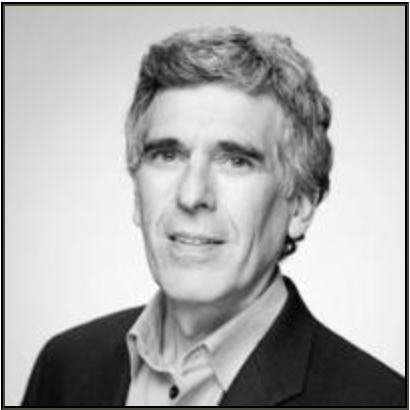
Norman Solomon is the national director of RootsAction.org and executive director of the Institute for Public Accuracy. The paperback edition of his latest book, War Made Invisible: How America Hides the Human Toll of Its Military Machine, includes an afterword about the Gaza war.




